Introduction
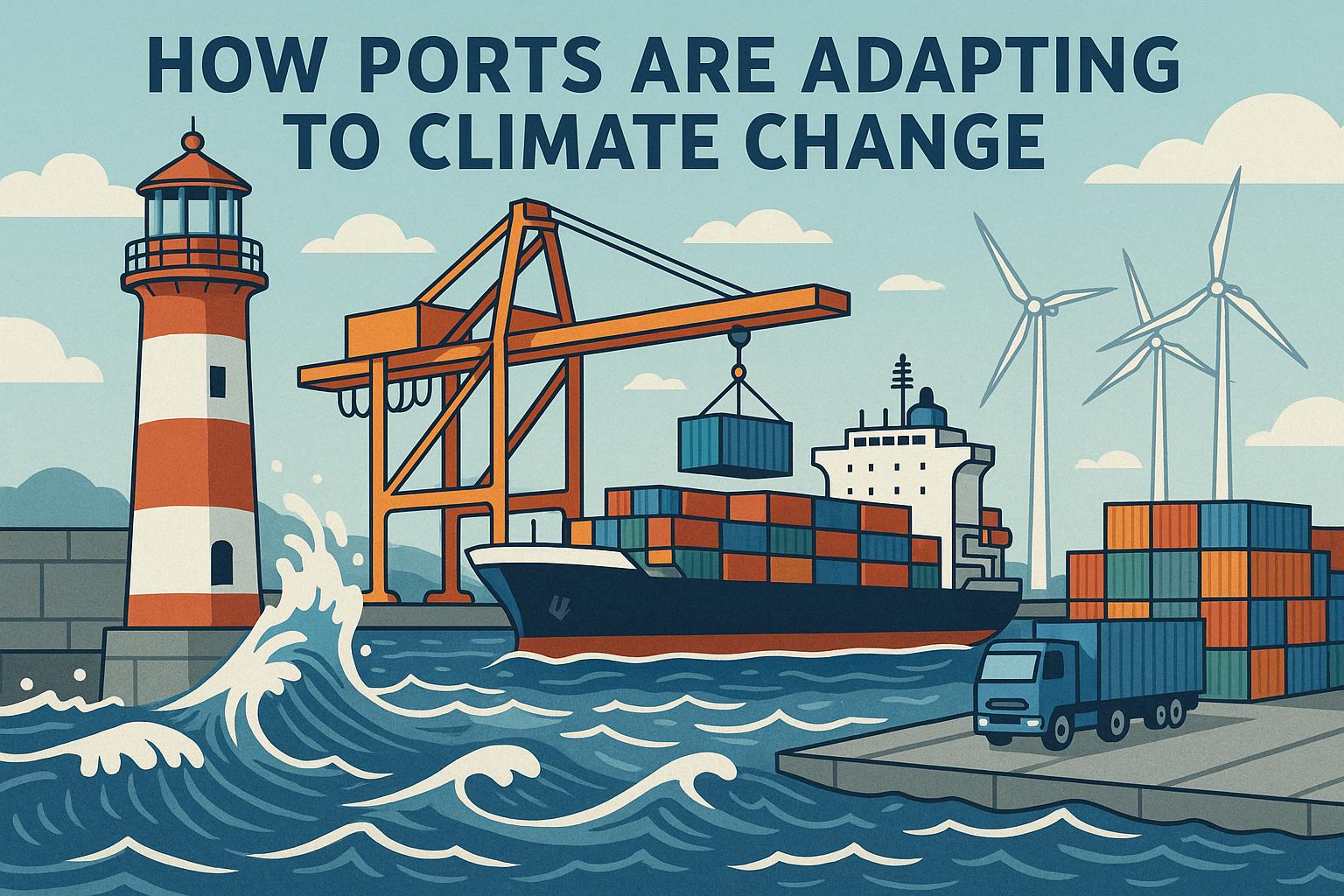
The world is facing a multitude of challenges brought on by climate change, and among the sectors most affected is global maritime infrastructure. Ports, being critical junctures in international trade and supply chains, are bearing a significant share of these challenges. As sea levels rise, extreme weather events become more frequent, and oceanographic conditions alter, ports have an urgent need to adapt to these changes in order to ensure that they continue to operate efficiently and maintain the integrity of their infrastructures. This discussion delves into the various strategies that ports across the globe are employing to adapt to such environmental changes, examining the intricate measures being taken.
Implementing Climate-Resilient Infrastructure
Ports are significantly enhancing their infrastructure to counter the threat of rising sea levels and intense weather. One prevalent approach involves raising the elevation of port facilities. This measure involves modifying existing structures and designing new constructions at elevated heights. The elevation initiative serves a dual purpose: it offers immediate protection against environmental threats and prolongs the operational life of these facilities by reducing their vulnerability to anticipated climate changes.
Furthermore, ports are also undertaking another strategic approach— constructing sea walls and barriers. These structures are crafted to shield ports from the onslaught of storm surges and high tides. The design of these barriers is not static; they are intentionally conceptualized with adaptability in mind. Adaptability is crucial, as it allows these structures to be enhanced or modified in the future in alignment with evolving climate projections and conditions, thereby ensuring their long-term effectiveness.
Enhancing Forecasting and Early Warning Systems
Effective management of the impacts of severe weather hinges on robust forecasting and early warning systems. Recognizing this, ports are making substantial investments in advanced meteorological and oceanographic equipment. These systems provide a higher level of data accuracy, which is crucial for predicting and monitoring climate events. Reliable forecasts enable ports to implement timely and informed decisions, whether it involves halting operations, relocating ships to safer areas, or enacting emergency protocols, thereby minimizing risk and ensuring the safety of all stakeholders involved.
Adopting Sustainable Practices
Sustainability has emerged as a cornerstone of modern port management, acting as a proactive measure against the challenges posed by climate change. Ports are actively adopting green technologies that encourage a reduction in greenhouse gas emissions. One prominent technology is shore power electrification, which allows ships to switch off their engines while docked, reducing emissions considerably.
The transition to renewable energy sources forms another pillar of sustainable practice. Many ports are embracing the use of solar, wind, and other renewable energy sources to power their operations. This transition not only reduces dependency on non-renewable energy but also aligns with broader global efforts to combat climate change through decreased carbon footprints.
Port Operations and Management
Port operations and management strategies are evolving in response to the need for a reduced carbon footprint. One crucial area of focus is optimizing logistical operations to reduce idle times and enhance the efficiency of cargo handling. This optimization is achieved through the implementation of digital tools and platforms that provide real-time data analysis, enabling more effective decision-making. By leveraging technology, ports can minimize wasteful practices and ensure a more streamlined operation process.
Engaging Stakeholders and Collaborating
The complexity of climate change requires a concerted effort across different sectors and stakeholders. Ports are actively engaging with governmental agencies, international organizations, and various industry stakeholders to create unified and effective adaptation strategies. By participating in global forums and initiatives, ports not only share knowledge but also access funding opportunities and influence cohesive policy development. This collaborative approach fosters a more comprehensive understanding of climate challenges and paves the way for more robust, cohesive responses.
Training and Workforce Adaptation
Adapting port operations to climate change is not solely a technical endeavor; it incorporates a significant human element. This requires the upskilling and training of port personnel to enable them to deal with the impacts of climate change effectively. Ports are investing in workforce development initiatives to ensure that employees not only understand the implications of climate change but can also operate the new technologies and systems tailored for resilience. This approach ensures that the workforce is well-prepared for current and future challenges presented by the evolving environment.
Conclusion
As global trade continues to rely significantly on maritime routes, the adaptation of ports to changing climate conditions emerges as crucial. Ensuring the continuity of global trade and safeguarding infrastructure investments requires ports to remain proactive and resilient. By implementing climate-resilient infrastructure, adopting sustainable practices, and fostering collaborative adaptation strategies, ports are playing an active role in mitigating the impacts of climate change.
However, the climate landscape is ever-changing, and it necessitates that ports remain vigilant and adaptable. Continuous reassessment and strategic upgrading of their approaches are vital in meeting new challenges that may arise. The actions taken today lay the groundwork for the future, ensuring that ports not only survive but thrive in an era of unprecedented environmental changes.