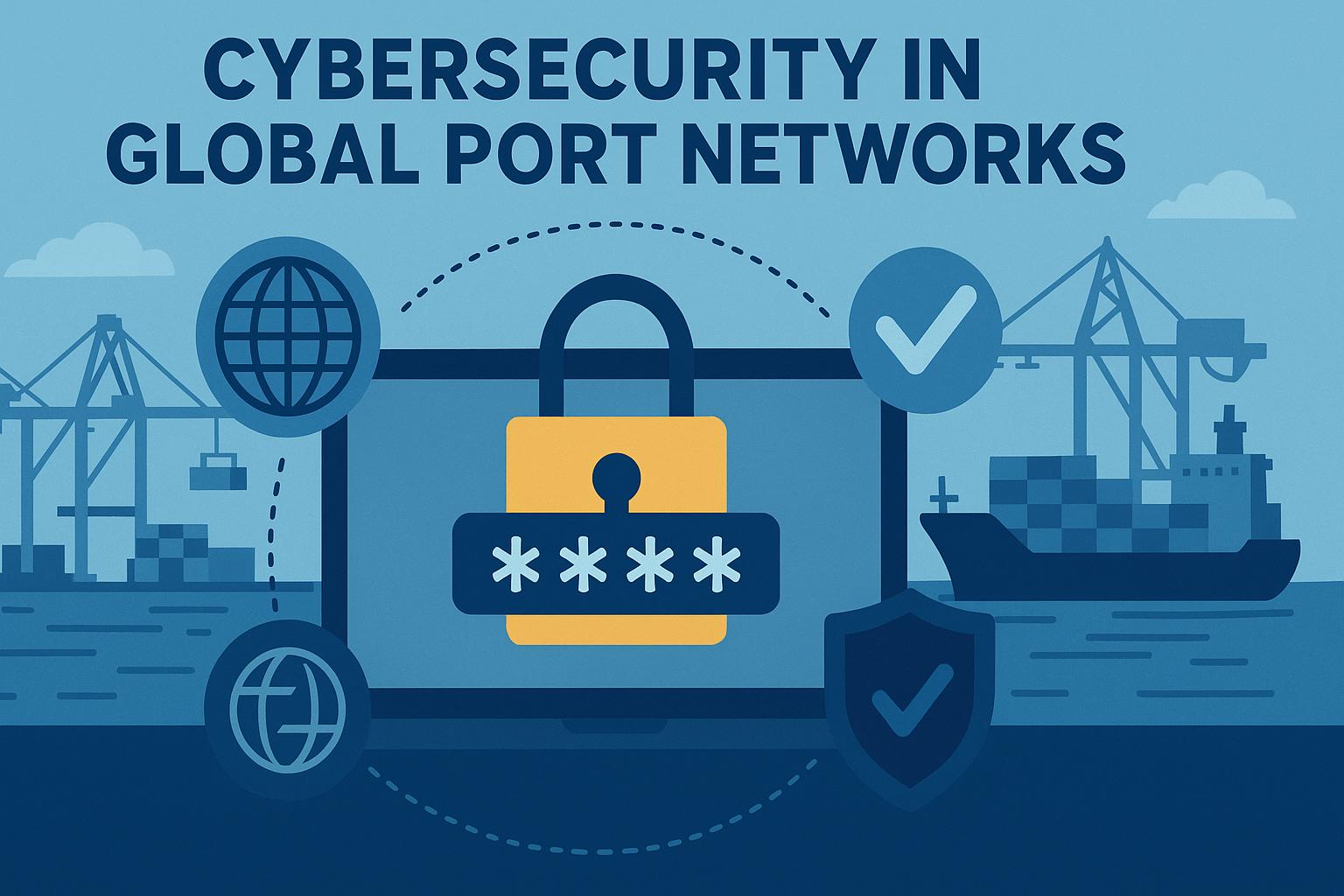
Introduction to Cybersecurity in Global Port Networks
In the contemporary world, ports are crucial nodes in the global supply chain, facilitating trade and commerce. As digital technologies integrate with traditional processes, the cybersecurity of global port networks becomes increasingly important. This article examines the cybersecurity challenges these ports face and discusses the measures needed to protect them.
Complexity of Port Networks
Port networks are complex ecosystems consisting of various interconnected systems. These include operational technology (OT) systems like cranes and conveyor belts, information technology (IT) systems for data management, and Internet of Things (IoT) devices that enhance operational efficiency. The integration of these diverse systems increases the likelihood of vulnerabilities, making ports attractive targets for cyber threats.
The complexity arises from the need for interoperability among multiple systems, which must communicate seamlessly to ensure efficient operations. Each component of the port network adds a layer of complexity; for instance, OT systems ensure the physical handling of cargo, whereas IT systems manage data related to logistics and customs. Meanwhile, IoT devices provide real-time monitoring and status updates of cargo and equipment. This intricate web of interconnected systems creates numerous entry points for cybercriminals, increasing the risk of cyber threats infiltrating the network.
Potential Cyber Threats
Ports are exposed to a variety of cyber threats. These can range from ransomware attacks that aim to disrupt operations to data breaches that compromise sensitive information. Moreover, organized cybercriminals or even state-sponsored actors may target port infrastructures to achieve strategic objectives.
Ransomware is particularly daunting as it can lock critical systems until a ransom is paid, paralyzing entire operations. Similarly, data breaches can lead to the unauthorized access and theft of organizational data, which might include confidential trade information or personal data.
Malware and phishing attacks are common methods attackers use to exploit vulnerabilities in port networks. Malware can infiltrate systems to steal data or disrupt operations, while phishing attacks aim to deceive employees into revealing access credentials. The technique typically involves fraudulent communications that appear to be from trusted sources, tricking employees into disclosing sensitive information or enabling malware installation.
Impacts of Cyber Attacks on Ports
Cyber attacks can have severe consequences on port operations. Disruptions can lead to delays in shipping schedules, affecting global trade and economic stability. Ports operate on tight schedules where timing is crucial; even minor delays can compound, leading to significant backlogs.
Financial losses may also result from ransom payments, data restoration costs, and increased security measures post-attack. Additionally, the reputational damage from such incidents can erode stakeholder trust in port authorities. Trust is integral to operations, as stakeholders rely on ports to ensure the safe and timely delivery of goods. Any breach of security can damage this trust, leading to potential loss of business and future contracts.
Cybersecurity Measures for Port Protection
To mitigate these risks, implementing robust cybersecurity measures is essential.
Implementing Robust Security Frameworks
Ports should establish comprehensive cybersecurity frameworks that integrate both IT and OT security measures. This involves adopting international cybersecurity standards, conducting regular risk assessments, and ensuring compliance with industry regulations.
Risk assessments should identify potential vulnerabilities within the network, analyzing both internal and external threats. International standards like the ISO 27001 for information security and NIST guidelines can provide frameworks upon which ports can build their defenses.
Employee Training and Awareness
Human error is a significant factor in many cyber incidents. Training employees to recognize threats and follow best security practices is crucial in preventing breaches. Regular cybersecurity awareness programs can enhance employees’ ability to identify phishing emails and avoid clicking on suspicious links.
These training sessions should cover the basics of cybersecurity, along with specific scenarios relevant to their roles within the port. Employees need to understand the importance of maintaining password security, recognizing social engineering tactics, and reporting suspicious activity promptly.
Utilizing Advanced Technologies
Deploying advanced technologies such as artificial intelligence and machine learning can help in detecting anomalies and responding to threats in real-time. These technologies can analyze network traffic patterns and user behaviors to identify potential threats before they cause harm.
Artificial intelligence can elevate security measures by learning network behavior patterns and identifying deviations indicative of a breach or intrusion attempt. Machine learning algorithms can automatically update security protocols to adapt to new and evolving threats without human intervention, ensuring that security measures remain proactive rather than reactive.
Collaborative Efforts and Information Sharing
Ports must engage in cooperative efforts with government bodies, international organizations, and industry stakeholders. Information sharing about threats and vulnerabilities can enhance collective security measures. Establishing joint cybersecurity task forces can further strengthen defensive strategies.
By participating in information-sharing initiatives, ports can gain access to a broader pool of threat intelligence, enhancing their ability to anticipate and respond to cyber threats. Collaboration facilitates a more robust defense mechanism, where lessons learned from one incident can inform better practices across the industry.
Conclusion
Securing global port networks against cyber threats is vital for maintaining the integrity of the international supply chain. As digital transformation continues, adopting comprehensive cybersecurity measures, coupled with collaborative efforts, is essential in protecting these critical infrastructures. By doing so, ports can safeguard their operations and contribute to global economic stability.
Ultimately, the security of global port networks not only affects the ports themselves but also has far-reaching implications for global commerce and trade. Through the diligent application of cybersecurity measures, ports can better ensure the reliability and efficiency upon which the world economy depends. The fusion of technology with traditional port operations offers significant benefits, but these must be balanced against the necessity of robust cybersecurity protocols to protect these key infrastructures from evolving threats.