Introduction to Digital Freight Management
In recent years, the logistics industry has experienced a significant transformation due to advancements in digital technology. One of the critical areas where this transformation is visible is in the management of freight operations within mega ports. Mega ports, known for their substantial cargo volume, are essential nodes in global trade networks. The implementation of digital freight management systems in these ports can lead to more efficient operations, cost reductions, and improved service quality.
Understanding Mega Ports
Mega ports are large-scale maritime ports that serve as crucial hubs in international trade. They handle a high volume of cargo, and their efficiency is vital to the smooth operation of global supply chains. Some of the busiest mega ports are located in Asia, Europe, and North America, including ports in Singapore, Shanghai, and Los Angeles. These ports require efficient management systems to handle the complexity and volume of goods moving through them.
The Role of Digital Technologies
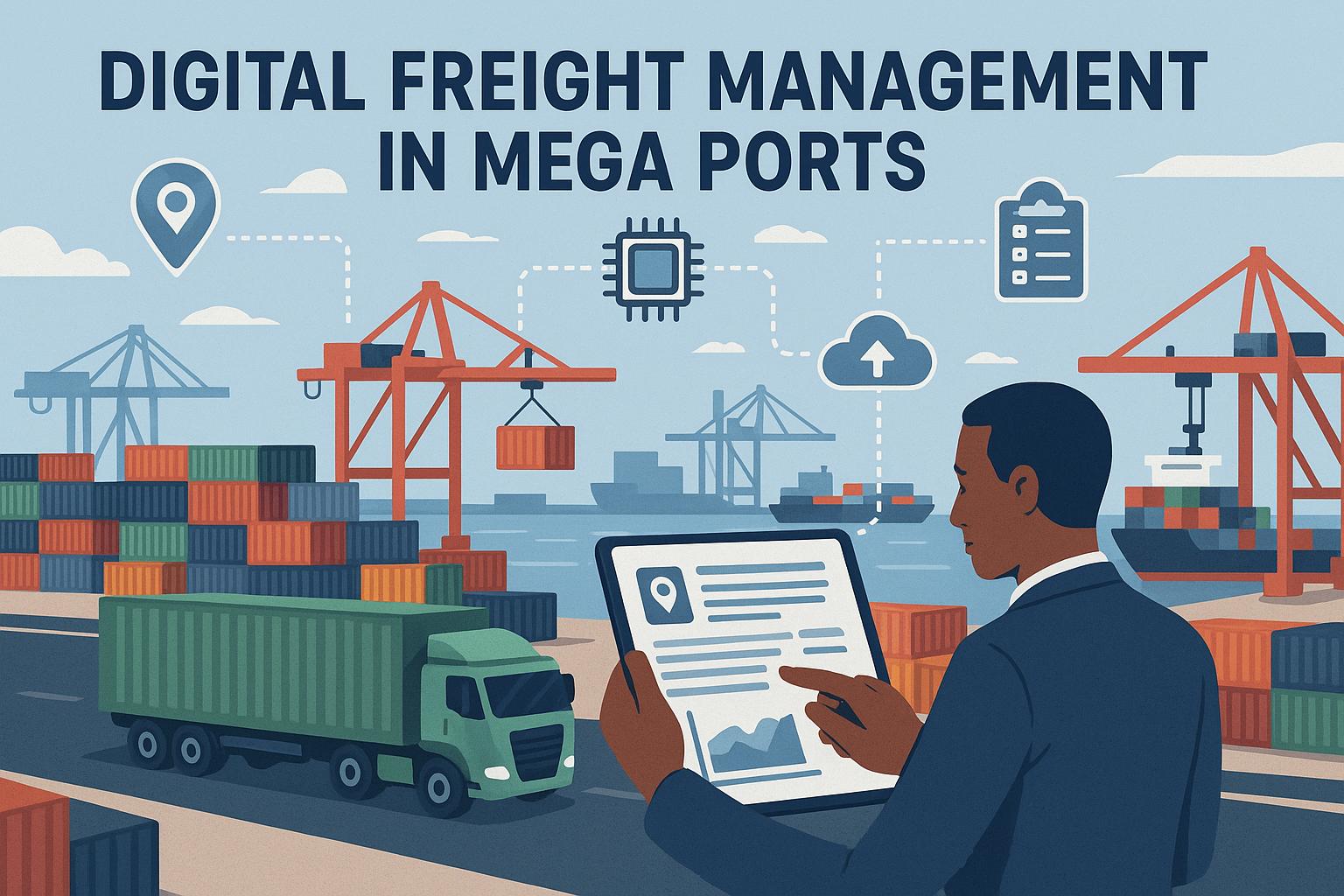
Digital technologies play a fundamental role in enhancing the efficiency and accuracy of freight operations. These cutting-edge solutions provide the foundation for streamlined logistics processes, contributing to the seamless movement of goods across the globe.
Automation is a key component in this digital evolution. Automated systems help streamline various processes, such as cargo handling and inventory management. By reducing manual intervention, automation minimizes human error and increases operational efficiency. As a result, ports can handle larger volumes of cargo without compromising on speed or accuracy, thus optimizing the entire supply chain.
Data Analytics is another vital element. The use of big data analytics enables port authorities to gain deep insights into their operations. By analyzing data from various sources, ports can facilitate better decision-making and predictive maintenance, proactively addressing potential issues before they impact operations. This proactive approach not only minimizes disruptions but also enhances the overall reliability of port services.
The Internet of Things (IoT) is also an indispensable part of digital freight management. IoT devices enable continuous monitoring of cargo and equipment. This connectivity ensures timely updates and alerts on cargo conditions, helping prevent loss and damage. With real-time data streaming, port operators can react promptly to any deviations, thereby maintaining the integrity and security of the goods in transit.
Benefits of Digital Freight Management
The integration of digital freight management systems in mega ports offers several benefits, paving the way for a brighter future in global logistics.
Efficiency Improvements stand out as one of the foremost advantages. By reducing the need for manual processes, digital systems can significantly enhance the speed and efficiency of operations. This results in quicker turnaround times and increased port throughput. Ports can handle more shipments in less time, thereby meeting the growing demands of global trade.
Cost Reductions are another benefit. Automation and predictive analytics help reduce operational costs. For instance, predictive maintenance can prevent equipment failures, thereby lowering repair costs and downtime. By anticipating potential failures, ports can schedule timely maintenance, avoiding costly disruptions and enhancing the longevity of their equipment.
Enhanced Visibility is a critical advantage as well. Digital systems provide real-time visibility into the supply chain. This transparency allows stakeholders to track shipments more accurately, improving customer satisfaction and trust. With precise tracking, port authorities can ensure timely deliveries, thereby building stronger relationships with their clients.
Challenges in Implementation
Despite the advantages, the implementation of digital freight management in mega ports presents challenges that must be addressed for successful integration.
Infrastructure Limitations are a significant barrier. Not all ports have the necessary infrastructure to support advanced digital systems. Upgrading existing infrastructure can require significant investment and time. Ports may need to modernize their facilities and integrate new technologies to fully leverage the potential of digital freight management systems.
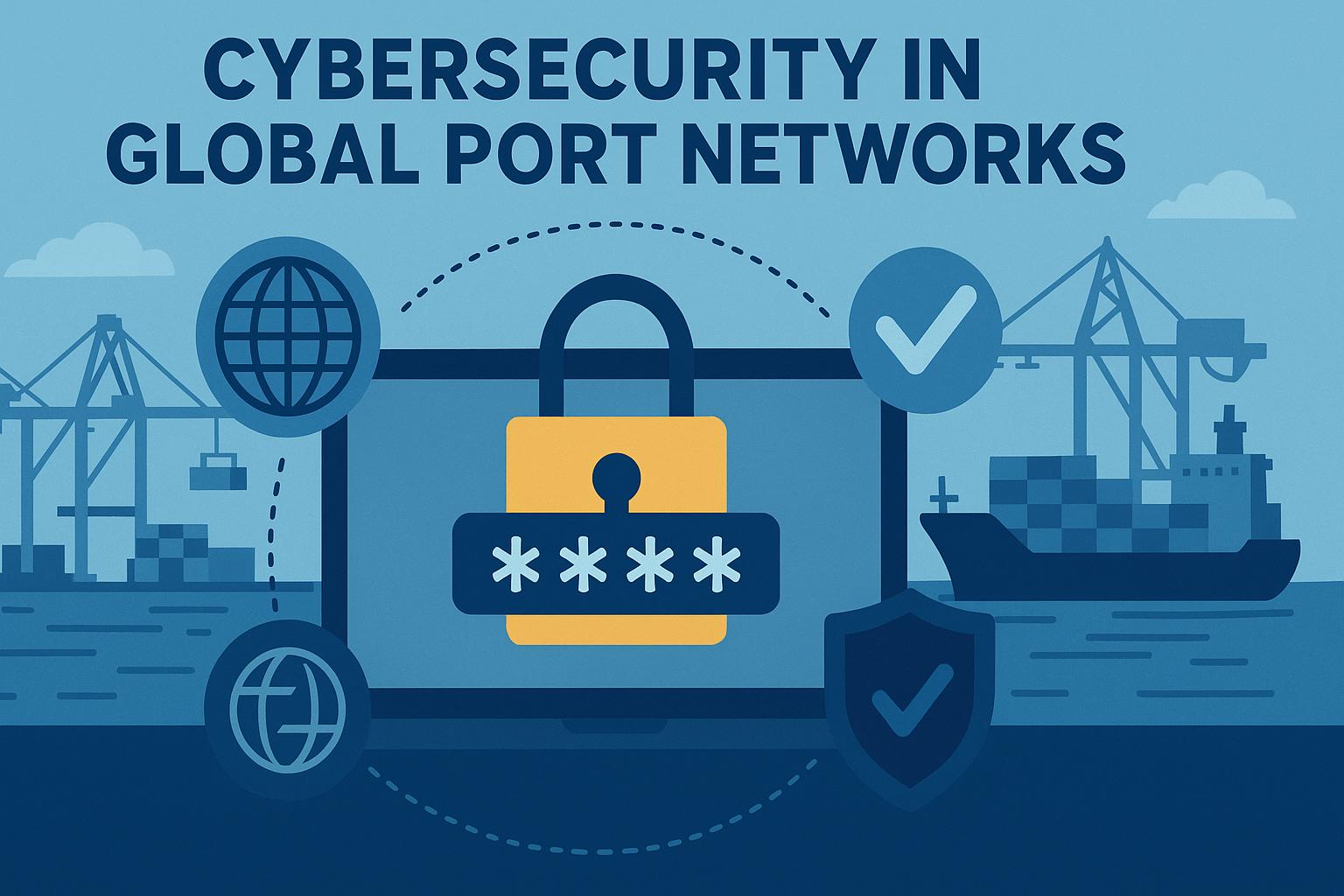
Data Security Concerns pose another challenge. As operations become increasingly dependent on digital systems, the risk of cyberattacks rises. Ports must invest in robust cybersecurity measures to protect sensitive data and ensure operational continuity. Implementing strong security protocols and regular system audits can mitigate these risks, safeguarding both the ports and their clients.
Training and Change Management are essential for successful adoption. Implementing digital systems requires skilled personnel. Training port staff to effectively use new technologies is crucial for the smooth operation of these advanced systems. Change management strategies can help in overcoming resistance and ensuring a seamless transition to digital operations.
Conclusion
Digital freight management represents a transformative shift in how mega ports operate. By embracing digital technologies, ports can enhance their efficiency, reduce operational costs, and improve service delivery. However, successful implementation requires addressing the challenges of infrastructure, security, and workforce adaptation. As global trade continues to grow, the role of digital freight management in mega ports will become increasingly vital. Ports that can navigate these challenges and adapt to the digital age will be well-positioned to lead in the future of global logistics.