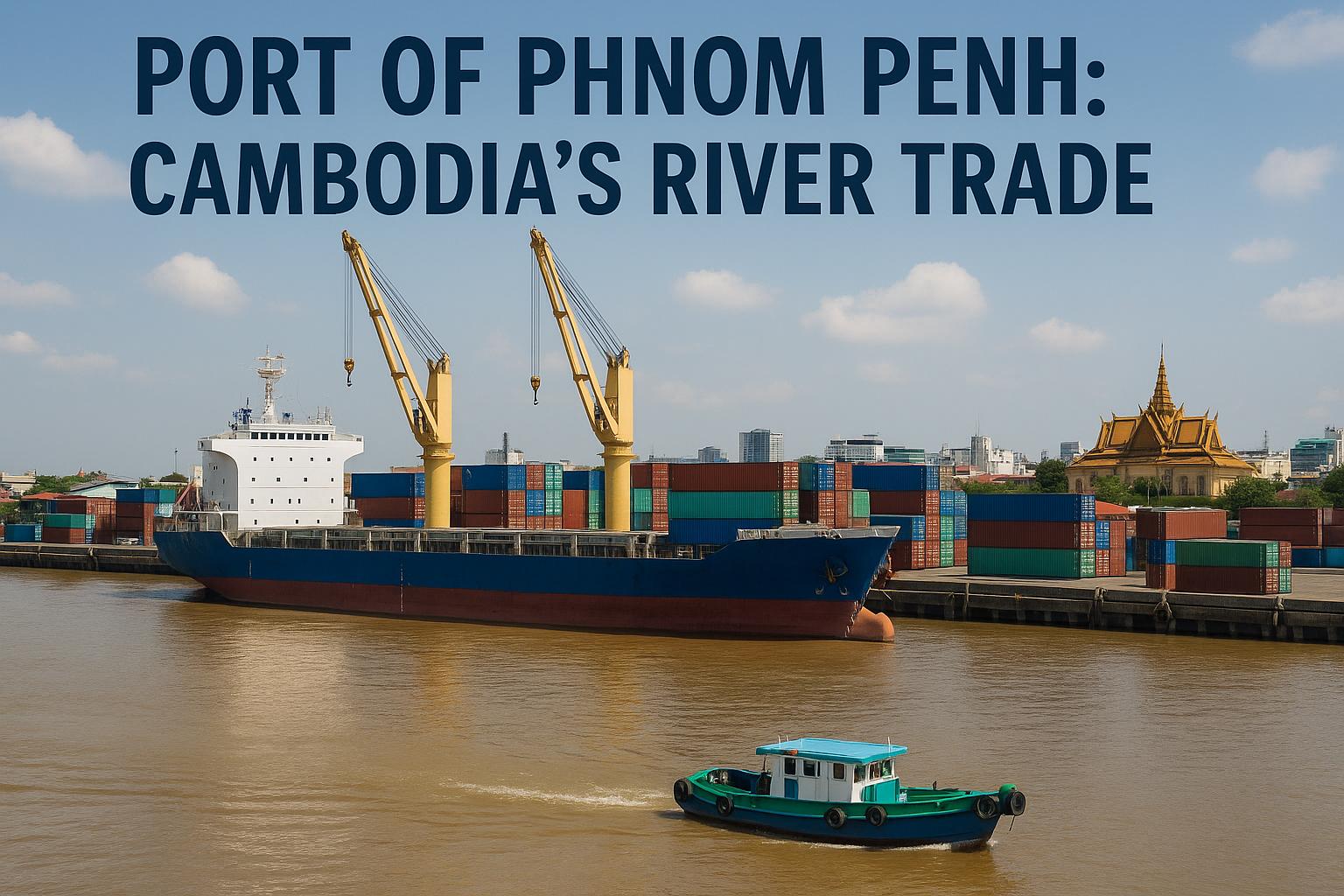
Introduction to the Port of Phnom Penh
The Port of Phnom Penh is a significant operational node in Cambodia’s transportation and economic network. Located along the expansive Mekong River, it functions as the primary fluvial port for Phnom Penh, the nation’s capital. The port plays a crucial role in facilitating a substantial portion of Cambodia’s trade, underscoring its significance in both the national and regional economy. This extensive article aims to provide a detailed exploration of the Port of Phnom Penh, examining its geographical benefits, infrastructure, economic impact, trade partnerships, and the challenges and opportunities it faces.
Geographical Significance
The geographical placement of the Port of Phnom Penh offers strategic advantages, primarily due to its positioning along the Mekong River. The river is an expansive waterway that flows through several countries in Southeast Asia, including Laos, Thailand, Cambodia, and Vietnam. This makes the Mekong one of the most significant river systems globally, serving as a vital conduit for trade and commerce.
Connectivity and Trade Routes
Being situated on the Mekong, the port provides seamless connectivity to neighboring countries like Vietnam and Thailand. This strategic location enables efficient domestic and international shipping activities. The ability to move goods easily across borders aids in strengthening Cambodia’s trade relations with its neighbors. It acts as a gateway, enabling efficient transit of goods between Southeast Asian countries and beyond, thereby facilitating enormous trade volumes while promoting regional economic integration.
Infrastructure and Facilities
The Port of Phnom Penh boasts robust infrastructure designed to accommodate various cargo types. The facilities have been developed to ensure that the port meets the multifaceted demands of modern trade.
Handling Capabilities and Infrastructure
Container Capacity: The port is equipped with the necessary facilities to manage container shipping. The handling capacity is continuously expanded to accommodate growing trade volumes, highlighting the port’s strategic role in international and regional logistics.
Bulk Cargo Facilities: In addition to container shipping, the port is adept at handling bulk cargo, which includes agricultural produce and raw materials critical to Cambodia’s export profile.
Development and Enhancements
The port spans several hectares, featuring multiple docks, storage facilities, and administrative buildings. Strategic enhancements and ongoing developmental projects ensure that the port remains competitive and equipped to meet the burgeoning demands of international trade. The focus remains on modernizing technology and optimizing logistics to enhance efficiency and productivity in cargo handling operations.
Role in National Economy
The Port of Phnom Penh is a cornerstone of Cambodia’s economic framework, significantly influencing various aspects of the national economy.
Export Contributions
The port facilitates the export of key commodities such as garments, agricultural products, and raw materials, all of which are fundamental to Cambodia’s economic stability. These exports contribute substantially to the national GDP, forming a critical component of the country’s economic structure.
Imports and Economic Support
Conversely, the port plays a vital role in imports. A diverse array of goods, including machinery and consumer products, enter Cambodia through the port. These imports are integral in supporting local industries and consumer markets, ensuring the availability of essential goods and services and contributing to economic resilience.
Trade Partnerships
The port is central to Cambodia’s numerous trade partnerships, playing a pivotal role in facilitating international trade routes.
Regional and Global Integration
Through the Port of Phnom Penh, Cambodia has succeeded in enhancing its trade capabilities with Asian neighbor countries and regions far beyond its borders. The port acts as a critical link shaping Cambodia’s economic development while promoting its integration into global trade networks. These trade partnerships foster economic growth, enabling the country to broaden its market access and economic opportunities.
Challenges and Opportunities
Similar to major global ports, the Port of Phnom Penh encounters several challenges. However, with these challenges come opportunities for growth and improvement.
Addressing Current Challenges
Congestion and Upgrades: The port must tackle congestion issues and integrate advanced technologies to streamline operations and efficiently manage its growing cargo volumes.
Environmental Concerns: The sustainability of port operations is another challenge, necessitating policies that minimize environmental impact and prioritize green initiatives.
Opportunities for Growth
The challenges highlighted present opportunities to bolster growth through strategic investments and policy reforms. By effectively addressing these areas, the Port of Phnom Penh can boost its capacity and operational efficiency, further enhancing its role in Cambodia’s future economic landscape.
In conclusion, the Port of Phnom Penh stands as a key maritime and economic hub in Cambodia. Its strategic geographical positioning along the Mekong River, coupled with its evolving infrastructure, emphasizes its importance in stimulating regional trade. Developmental efforts aim to bolster its efficiency and expand its capacity, cementing its position as an essential player in the global economic system. By focusing on embracing technological advancements and fostering sustainable practices, the port can continue to fulfill its critical role, offering both challenges to overcome and significant opportunities for future growth.