The Role of AI in Smart Ports
In recent years, Artificial Intelligence (AI) has emerged as a transformative force across various industries, with the logistics sector being no exception. Smart ports, which integrate modern technologies to enhance operational capabilities, stand out as a paradigm where AI has a crucial impact. Through AI, ports are evolving to become more efficient, cost-effective, and environmentally sustainable. This ongoing technological evolution is reshaping not only how ports operate but also how they align with global trade demands and environmental responsibilities.
Streamlining Operations
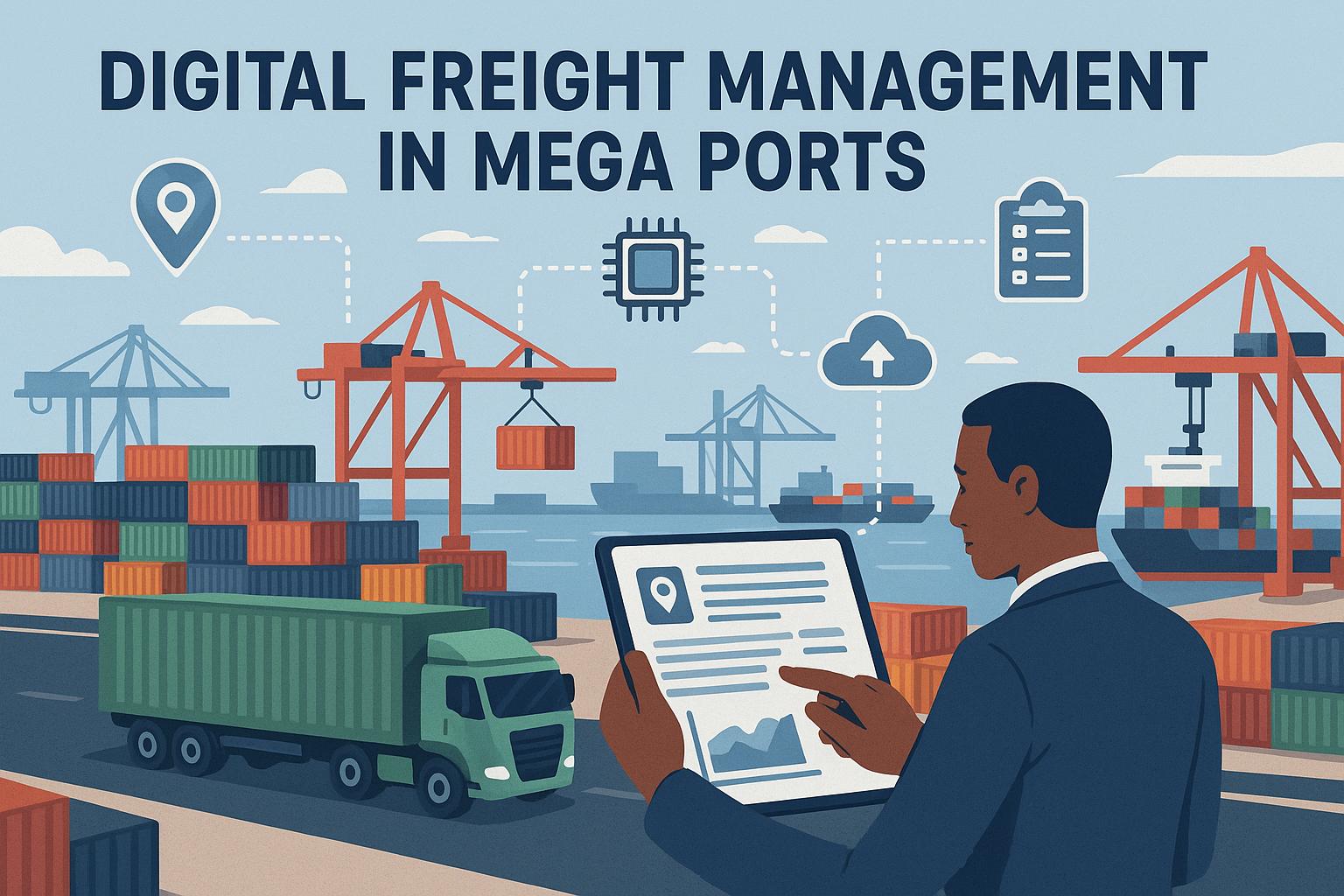
One of the most significant contributions of AI in smart ports is its capacity to streamline operations. Traditional port operations, often characterized by manual processes, can lead to inefficiencies and delays. AI introduces advanced machine learning algorithms that utilize large datasets to optimize several aspects of port activities, including vessel berthing schedules and cargo management processes. By forecasting and organizing these procedures more effectively, ports can ensure a seamless flow of goods, reducing the likelihood of congestion and subsequent hold-ups.
AI plays a pivotal role in congestion management. Ports can leverage AI-driven predictive analytics to anticipate peak times and adjust resources accordingly. This predictive capacity is essential in preventing bottlenecks, thereby enhancing operational efficiency and throughput. The application of AI in these areas ensures that ports remain agile and responsive, critical attributes in a competitive global logistics environment.
Predictive Maintenance
Predictive maintenance represents another area where AI technology makes a substantial impact within smart ports. Traditional maintenance models follow a set schedule or react to operational failures, often resulting in unnecessary downtime or unexpected disruptions. Conversely, AI enables a predictive maintenance approach by embedding sensors into port machinery and equipment. These sensors continuously collect real-time data, encompassing parameters such as operational performance and component wear levels.
The data acquired is processed by sophisticated AI algorithms to predict potential equipment failures. This foresight allows port operators to undertake proactive maintenance activities, addressing issues before they escalate into significant problems. Benefits include reduced downtime and an increase in the lifespan of port machinery, driving cost efficiencies and maximizing operational uptime.
Improved Security Measures
Ensuring robust security at ports is imperative, and AI technologies have substantially enhanced port security frameworks. AI-powered surveillance systems can monitor vast areas continuously, detecting unusual patterns or suspicious activities with greater accuracy and consistency than traditional security systems. The integration of AI-driven facial recognition technology further enhances security protocols. These systems automatically track and verify identities, effectively preventing unauthorized access and safeguarding against potential threats.
This nuanced security system fosters a safer port environment, which is crucial given the critical role ports play in the global supply chain. AI’s contribution to security not only protects physical assets but also ensures compliance with international safety regulations, reinforcing the ports’ reliability and integrity.
Environmental Impact Mitigation
Amid growing global concerns about environmental sustainability, smart ports are leveraging AI to mitigate their environmental impact. Inefficient port operations can lead to excessive carbon emissions, pollution, and resource wastage. AI aids in minimizing these effects by optimizing routing and logistics processes. By calculating the most efficient routes and schedules, ports reduce fuel consumption and lower their carbon footprint.
Moreover, AI-powered systems continuously monitor air and water quality in and around port environments. These real-time monitoring capabilities ensure that ports adhere to stringent environmental regulations and standards. By maintaining environmental compliance, ports enhance their sustainability credentials and contribute to broader ecological conservation efforts.
Data-Driven Decision Making
The advent of AI in smart ports is a boon for data-driven decision making. AI systems process and analyze vast amounts of real-time data generated by port operations, providing operators with actionable insights. These insights are invaluable for making informed and timely decisions, crucial for maintaining competitive advantage and operational efficiency in a rapidly changing logistics landscape.
Data-driven decision-making powered by AI facilitates strategic planning and day-to-day management. By recognizing patterns and trends, port authorities can forecast demands, allocate resources effectively, and respond swiftly to emerging challenges. This strategic agility is pivotal for adapting to global trade complexities and operational shifts.
Future Prospects and Challenges
Despite the clear benefits of AI integration in smart ports, several challenges need addressing. High initial investment costs can be a barrier for many ports. Implementing AI technologies often requires significant financial outlay, covering hardware, software, and related infrastructure. Furthermore, the effective management and maintenance of AI systems demand a skilled workforce proficient in both AI applications and port operations.
However, these challenges do not diminish the transformative potential of AI in port logistics. As technology advances and adoption costs decrease, AI is poised to become increasingly intrinsic to port operations. Investing in skills development and training can mitigate the talent gap, ensuring that ports are equipped to harness AI’s potential fully.
In conclusion, AI is fundamentally transforming the landscape of modern port logistics. Through enhanced operational efficiency, improved security measures, and environmental sustainability, AI is setting the stage for a new era in port management. As AI continues to evolve and integrate with emerging technologies, its role in port operations will only expand, offering a vision of more connected, effective, and sustainable ports worldwide.