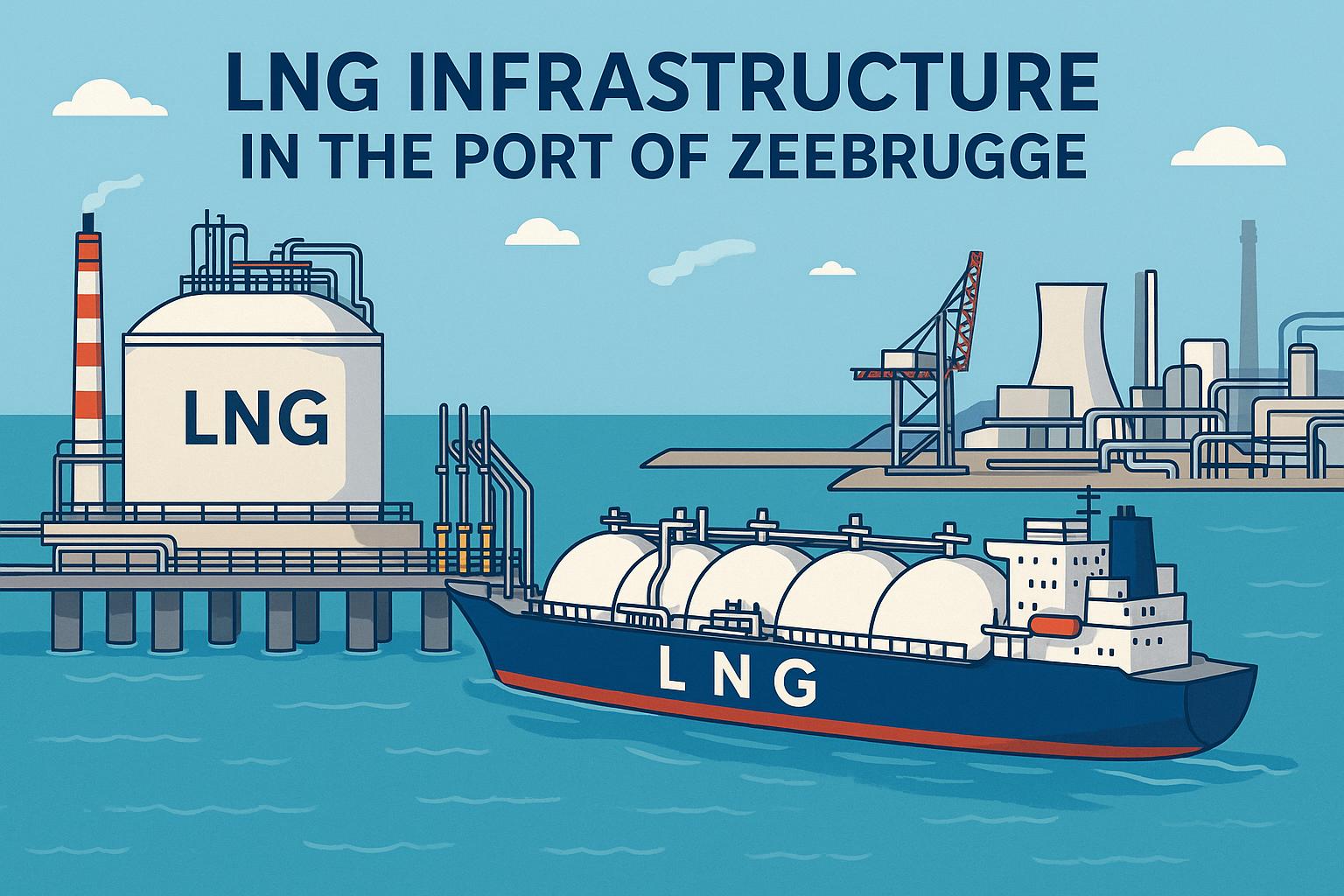
LNG Infrastructure in the Port of Zeebrugge
The Port of Zeebrugge, strategically located on the North Sea coast of Belgium, plays a pivotal role in the European energy sector, particularly as a major hub for liquefied natural gas (LNG). Over the years, this port has evolved into a crucial entry point for LNG imports, harnessing a well-developed infrastructure that ensures efficient operations while adhering to stringent safety and environmental protocols.
Historical Context and Development
The journey of Zeebrugge as an LNG focal point began with the inauguration of its LNG terminal in 1987. Since then, the terminal has experienced continual growth, undergoing numerous expansions to suit the ever-increasing demand for LNG. Each expansion phase has heightened its capacity and functionality, allowing the terminal to manage various types of LNG carriers, which was essential as global energy consumption patterns shifted and expanded.
These developments underscore the port’s responsiveness to changing energy needs. The expansions have ensured that Zeebrugge remains at the forefront of LNG handling capabilities in Europe. Key infrastructural changes have primarily focused on increasing storage capacity, updating the technology for processing LNG, and improving logistical efficiency to cater to a global clientele.
Key Facilities and Capabilities
Among the defining features of the Zeebrugge LNG terminal is its substantial storage capacity. Equipped with advanced storage tanks, the facility can manage large volumes of LNG efficiently. Presently, the terminal houses several significant tanks capable of storing a total of up to 560,000 cubic meters of LNG. This capacity enables the terminal not only to meet current demands efficiently but also to cushion potential supply fluctuations in the market.
Beyond storage, the terminal is distinguished by its sophisticated regasification capabilities. The high-efficiency plants installed at the site are essential for converting LNG back into its gaseous form. This process ensures a reliable and steady flow of natural gas into the European energy market, a critical factor for maintaining energy stability during peak demand periods. Such infrastructure is vital for balancing supply with consumption, especially as European countries aim to diversify their energy sources.
Marine and Shipping Operations
The maritime aspect of the Port of Zeebrugge is exemplary, with the facility having the capability to accommodate a myriad of LNG carriers. It can handle everything from smaller vessels designed for short-range distribution within Europe, to massive ocean-going tankers, including the Q-Max carriers, which are some of the largest LNG ships in operation.
A testament to its marine prowess, the terminal boasts several jetties that facilitate swift and secure loading and unloading processes, thereby decreasing turnaround times for vessels at port. The addition of ship-to-ship transfer capabilities strengthens Zeebrugge’s position as a flexible hub for handling LNG, offering more options to shipping companies and reinforcing its significance as a leading transshipment center in Europe.
Environmental and Safety Considerations
Zeebrugge’s commitment to safety and environmental stewardship is an integral part of its operations. Advanced monitoring systems are in place to ensure compliance with international safety standards, emphasizing the port’s dedication to minimizing the environmental impact of its LNG operations. Operators consistently strive to reduce emissions and enhance energy efficiency, reflecting a proactive approach to sustainable energy practices.
These efforts manifest in various initiatives aimed at reducing the carbon footprint of the terminal’s operations. By implementing cutting-edge technology and adhering to best practices, the port not only maintains high safety standards but also aligns with broader environmental goals, such as those outlined in international climate agreements.
In summation, the LNG infrastructure at the Port of Zeebrugge remains a cornerstone of Europe’s energy framework. Its development and ongoing enhancements showcase the port’s role in securing energy resources while upholding precise standards for safety and environmental protection. Through strategic expansions and investments, the port continues to meet the dynamic needs of the energy market, contributing significantly to the stability and growth of Europe’s energy sector.