Overview of the Port of Klaipeda
The Port of Klaipeda, located in Lithuania, stands as the largest and most pivotal seaport in the nation. It serves a crucial role in the Baltic Sea trade, acting as a central hub for various types of cargo, with fertilizers being one of its primary focuses. The strategic positioning of the port, coupled with its state-of-the-art facilities, not only makes it an indispensable component of Lithuania’s economy but also establishes it as a significant player in the regional maritime industry.
Infrastructure and Facilities
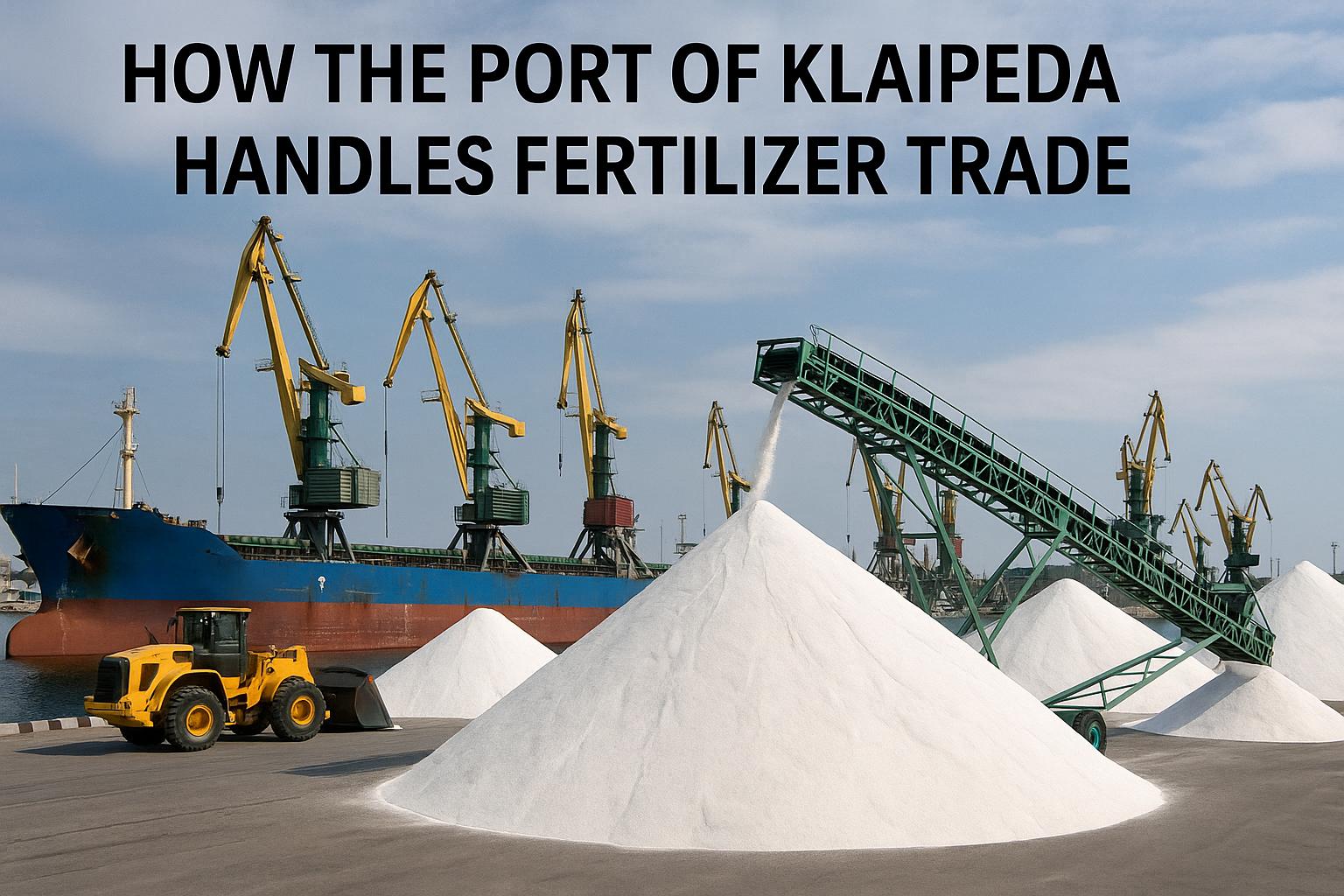
The Port of Klaipeda is endowed with infrastructure that is meticulously designed to facilitate the efficient handling of bulk cargo, particularly fertilizers. This robustness is attributable to the modern machinery and equipment deployed at the port, which include advanced loading and unloading mechanisms. Furthermore, the port houses dedicated storage areas and specialized terminals that are adept at managing large volumes of cargo seamlessly. These facilities thus ensure the operations are not just efficient but reliable as well, enhancing the throughput and quality of services provided.
Dedicated Terminals
Among the assets of the Port of Klaipeda are several dedicated terminals tailored for different types of cargo. Fertilizers find their primary conduit through bulk terminals that are elaborately designed with conveyor systems and automated controls. These technical advances optimize both the speed and safety of the transfer processes, minimizing human intervention and enhancing operational precision.
Storage Facilities
When it comes to storage, the port provides facilities that are fashioned to preserve the quality of fertilizers while curtailing potential environmental impact. Given the susceptible nature of fertilizers to environmental factors, the port’s storage options are mostly covered. These covered facilities offer protection against adverse weather conditions and guard against contamination, ensuring that the integrity of the cargo remains uncompromised.
Environmental Considerations
The Port of Klaipeda places a strong emphasis on sustainable operations. A variety of measures have been implemented to curtail dust emissions and avert leakages, which are major concerns in handling bulk fertilizers. By adhering to stringent environmental regulations, the port reflects a commitment to maintaining high environmental standards. This proactive approach in ecological management signifies the port’s sense of responsibility towards conserving marine and terrestrial ecosystems.
Trade and Economic Importance
The trade of fertilizers is a substantial facet of the Port of Klaipeda’s operations. The range of fertilizers processed includes potash, phosphates, and nitrogen compounds, which are imported and exported across various international markets. This activity underscores the port’s vital position as a nexus within the global supply chain, facilitating smooth and efficient movement of goods.
Regional and Global Reach
The geographical positioning of Klaipeda allows it to serve as a conduit connecting Northern and Eastern Europe to international markets across the globe. It is not merely a distribution point for Lithuania; it also extends support to neighboring countries by providing them unfettered access to international sea routes. This regional integration effectively fortifies the economic viability of the entire Baltic region.
Economic Impact
The economic repercussions of the fertilizer trade through Klaipeda are profoundly significant. A plethora of job opportunities in logistics, warehousing, and transportation sectors are directly sustained by the port’s operations. Additionally, it offers an important boost to Lithuania’s Gross Domestic Product (GDP), feeding into the nation’s overall economic health. The port’s operational prowess serves to invigorate local economies by efficiently bridging producers, manufacturers, and end-users across continental and intercontinental boundaries.
Conclusion
In conclusion, the Port of Klaipeda serves as an indispensable component in the realm of fertilizer handling and trade within the Baltic region. Armed with advanced infrastructure and demonstrating a firm commitment to environmental stewardship, the port has managed to navigate the intricacies of high-volume fertilizer cargo management adeptly. It cements its position as a cornerstone of international maritime trade, ensuring its continued significance in global import and export activities.