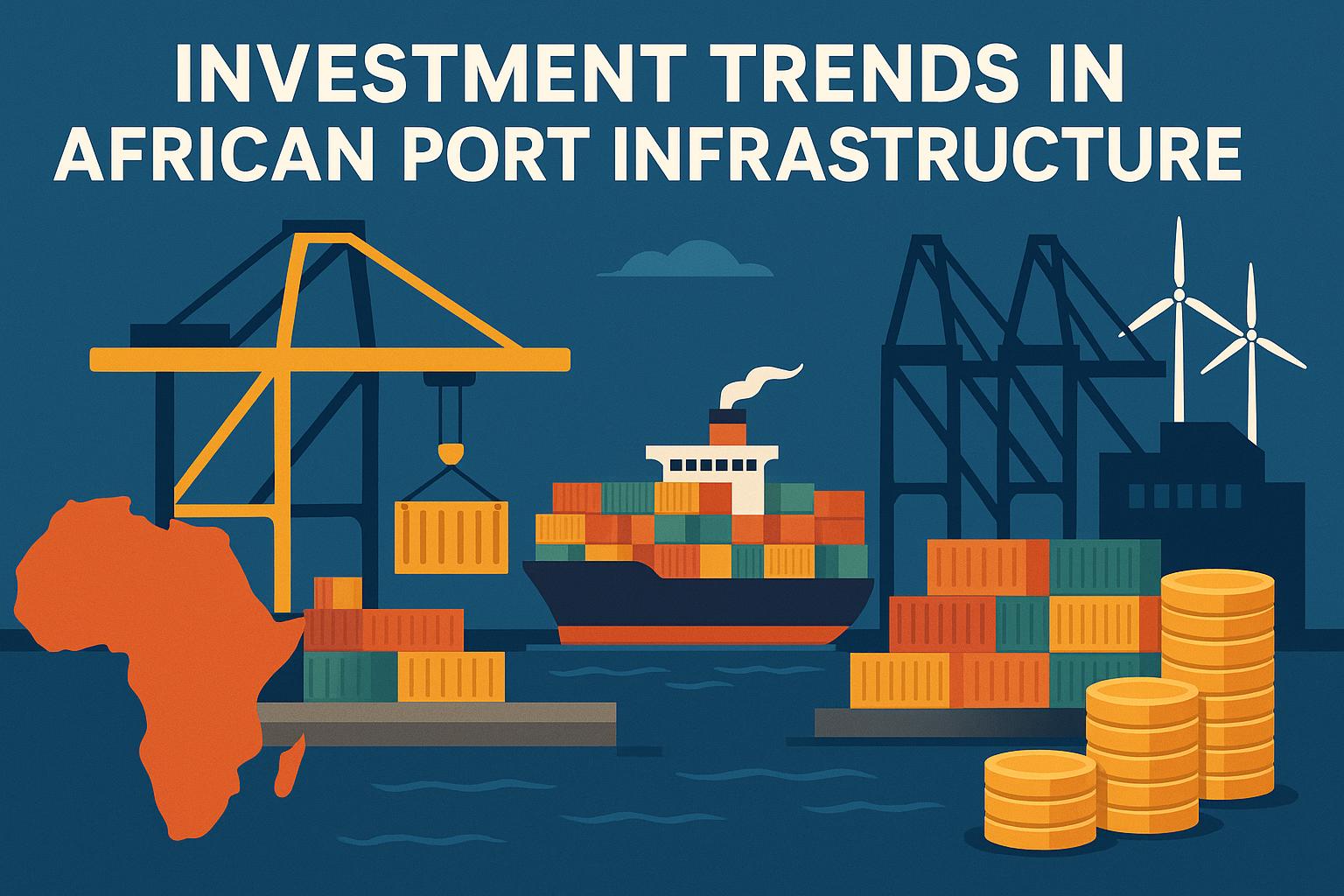
Introduction to African Port Infrastructure Investments
The African continent is undergoing a notable transformation in its port infrastructure, driven by an increase in investment trends. As a region characterized by potential economic growth, there is a pressing need for modern and efficient port facilities. Such investments are key to enhancing trade efficiency, reducing logistical costs, and facilitating regional integration. With the rising demand for improved infrastructure, African ports are on the brink of a significant uplift.
Motivation for Investment
The growth in investments in African port infrastructure can be attributed to a variety of compelling factors. First and foremost, Africa’s expanding population and accelerating urbanization call for better infrastructure capable of handling increased trade volumes. Coupled with this population growth is the continent’s wealth of natural resources, necessitating the development of efficient ports for the export of goods to global markets. Moreover, African nations are striving to diversify their economies beyond raw materials, underlining the importance of robust port facilities to aid in importing essential goods and technology. The combination of these elements underscores the multifaceted motivations for infrastructure investment across Africa.
Foreign Direct Investment (FDI) and Partnerships
Foreign direct investment is crucial in the development of African port infrastructure. Various international stakeholders, notably those from China and Europe, have shown a considerable interest in providing funds for new projects and upgrading existing facilities. These investments are usually structured through collaborative ventures that involve both African governments and local companies. Such partnerships bring together technical expertise and a necessary influx of capital, resulting in productive development outcomes. FDI not only finances projects but also establishes long-term relationships that enhance operational standards and encourage continuous improvement.
The Role of Public-Private Partnerships (PPPs)
Public-Private Partnerships (PPPs) have emerged as a favored method for advancing port infrastructure across the African continent. With limited public sector budgets, these partnerships leverage the efficiency and investment capacity of the private sector, combined with the governance capabilities of the public sector. Through PPPs, numerous projects have accelerated, overcoming potential delays due to fiscal constraints alone. In turn, this mechanism of project implementation ensures that port infrastructure development aligns with strategic economic goals, while simultaneously generating profits for private entities involved. PPPs have shown to be effective in facilitating progress, offering a viable blueprint for future port development initiatives.
Key Developments in Port Infrastructure
Various major projects signal the transformative potential of port infrastructure investments in Africa. For instance, the expansion of the Port of Mombasa in Kenya and the construction of the Lekki Deep Sea Port in Nigeria represent significant strides towards realizing enhanced logistical efficiency. These facilities are tailored to boost handling capacities, alleviate congestion, and introduce advanced technologies that promote automated operations. They exemplify the shift towards a more modernized approach in African port management, capable of meeting and exceeding global standards. Such projects serve as benchmarks for future developments, reflecting the scope of potential improvements across the continent’s port infrastructure.
Technological Advancements
The integration of technology into port operations is increasingly crucial in maximizing efficiency. Digital systems enable precise cargo tracking, while blockchain technology ensures supply chain transparency, enhancing trust and reducing errors. Additionally, automated equipment for cargo handling represents a groundbreaking advancement geared toward reducing operational costs and boosting efficiency. By embracing these technologies, African ports can significantly streamline their operations, minimizing time waste and optimizing resource allocation. As technology continues to evolve, its role in bolstering port infrastructure will undoubtedly expand, offering enhanced capabilities for both logistical management and strategic planning.
Challenges and Opportunities
Despite the positive trends in port infrastructure investments, a number of challenges persist. Political instability in certain regions poses risks that can deter investment and slow development. Regulatory hurdles vary across the continent, complicating efforts to harmonize standards and facilitate swift project execution. Additionally, there is a critical need for skilled workforce development to operate and maintain cutting-edge technologies implemented in port infrastructure. However, these challenges are not insurmountable. Rather, they present opportunities for the introduction of innovative solutions and reform initiatives. By addressing these issues, Africa can attract further investment and realize enduring improvements in its port infrastructure.
Conclusion
In conclusion, the current investment trends in African port infrastructure represent a promising shift toward modernization and enhanced efficiency. By fostering international cooperation and integrating technological advancements, African ports can substantially boost the continent’s trade capabilities, thereby establishing a firmer foothold in the global market. The ongoing investments not only promise economic benefits but also aim to advance regional connectivity and integration. As Africa continues to position itself as a key player on the international stage, the transformation of its ports—and the strategic efforts underpinning this transformation—will be vital to its sustained economic development and global relevance.