The Belt and Road Initiative Overview
The Belt and Road Initiative (BRI), launched by China in 2013, aims to enhance global trade and stimulate economic growth across Asia and beyond by developing infrastructure and broadening trade links. The initiative’s primary components are the “Silk Road Economic Belt,” which tracks the historical Silk Road overland, and the “21st Century Maritime Silk Road,” covering maritime routes.
Among the various infrastructure projects under the BRI umbrella, port development is critical. Ports serve as essential junctures for transportation, facilitating the movement of goods across countries and continents. Consequently, enhancing port capacities can significantly impact global trade.
Importance of Ports in BRI
Ports are integral to the BRI’s objective of improving trade connectivity. They are vital nodes that support both the import and export of goods. The construction and upgrading of ports along maritime routes can substantially reduce trade costs and time, fostering a more efficient flow of goods.
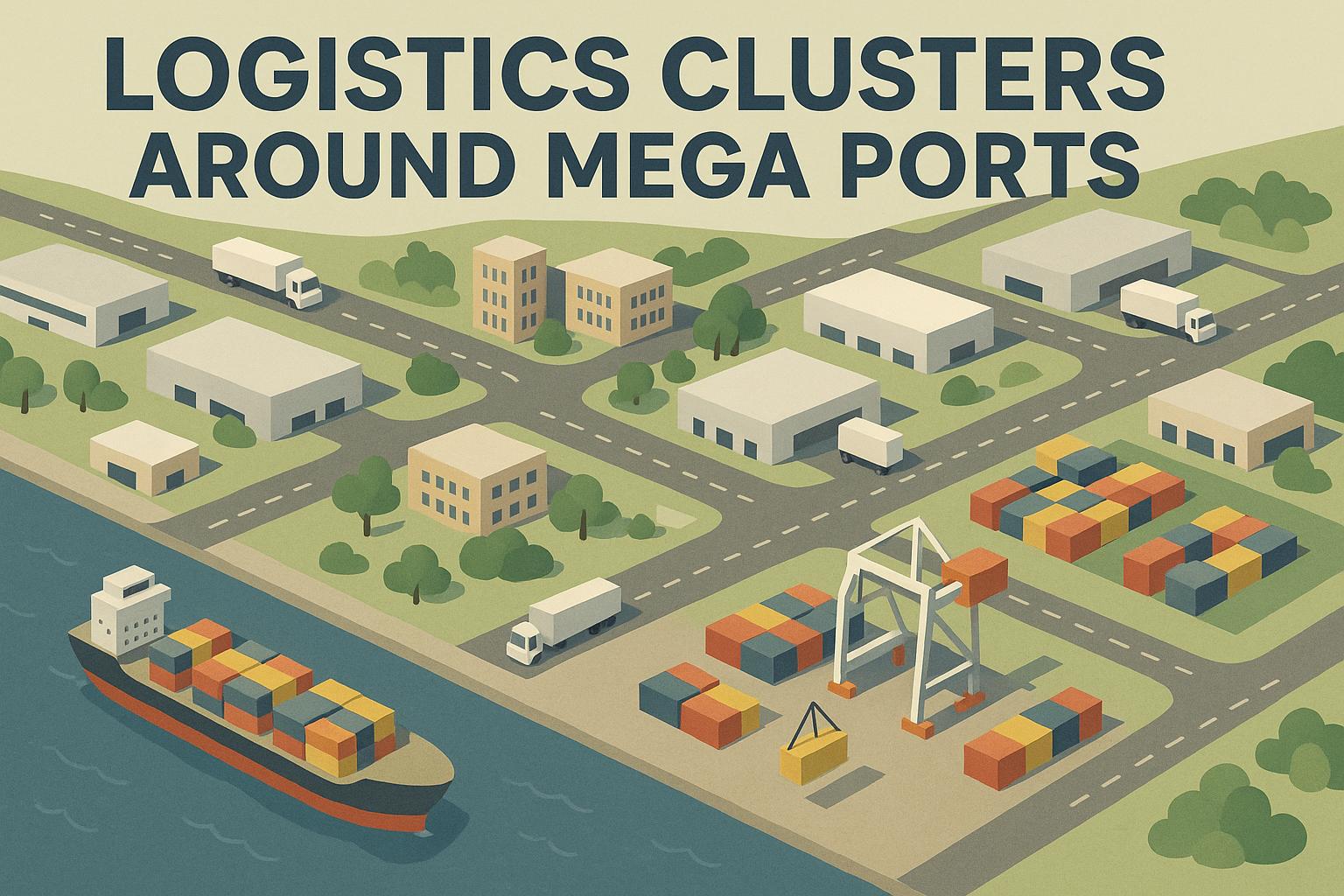
Furthermore, port development is not solely about physical infrastructure improvement. It also involves enhancing logistics, implementing advanced technologies for better operations, and integrating ports into wider supply chain networks. Developing high-capacity ports with efficient logistic operations is crucial for fulfilling the BRI’s ambitious trade and connectivity goals.
Key Port Development Projects
Several noteworthy port development projects are advancing under the BRI initiative:
Gwadar Port, Pakistan: Situated on the Arabian Sea, Gwadar Port is pivotal for the China-Pakistan Economic Corridor (CPEC), a flagship BRI project. Its strategic position aims to provide China with a maritime gateway to the Middle East and Africa.
Port of Piraeus, Greece: Recognized as a significant investment for expanding China’s presence in Europe, the Port of Piraeus has seen extensive development under Chinese management. It serves as an entry point for trade between Asia and Europe, facilitating a swift transit of goods across the continent.
Port of Colombo, Sri Lanka: The development of the Colombo Port City project represents a significant step in enhancing Sri Lanka’s role as a maritime hub in South Asia. Its strategic position along major shipping lanes is pivotal for trade flows between Asia and the West.
Impact on Global Trade
Port development under the BRI influences global trade by reducing transportation costs and improving shipping routes. Enhanced port facilities lead to quicker turnaround times, lower shipping costs, and increased trade volumes, thereby stimulating economic growth for involved countries. Moreover, effective integration of ports into global supply chains can facilitate seamless international trade operations.
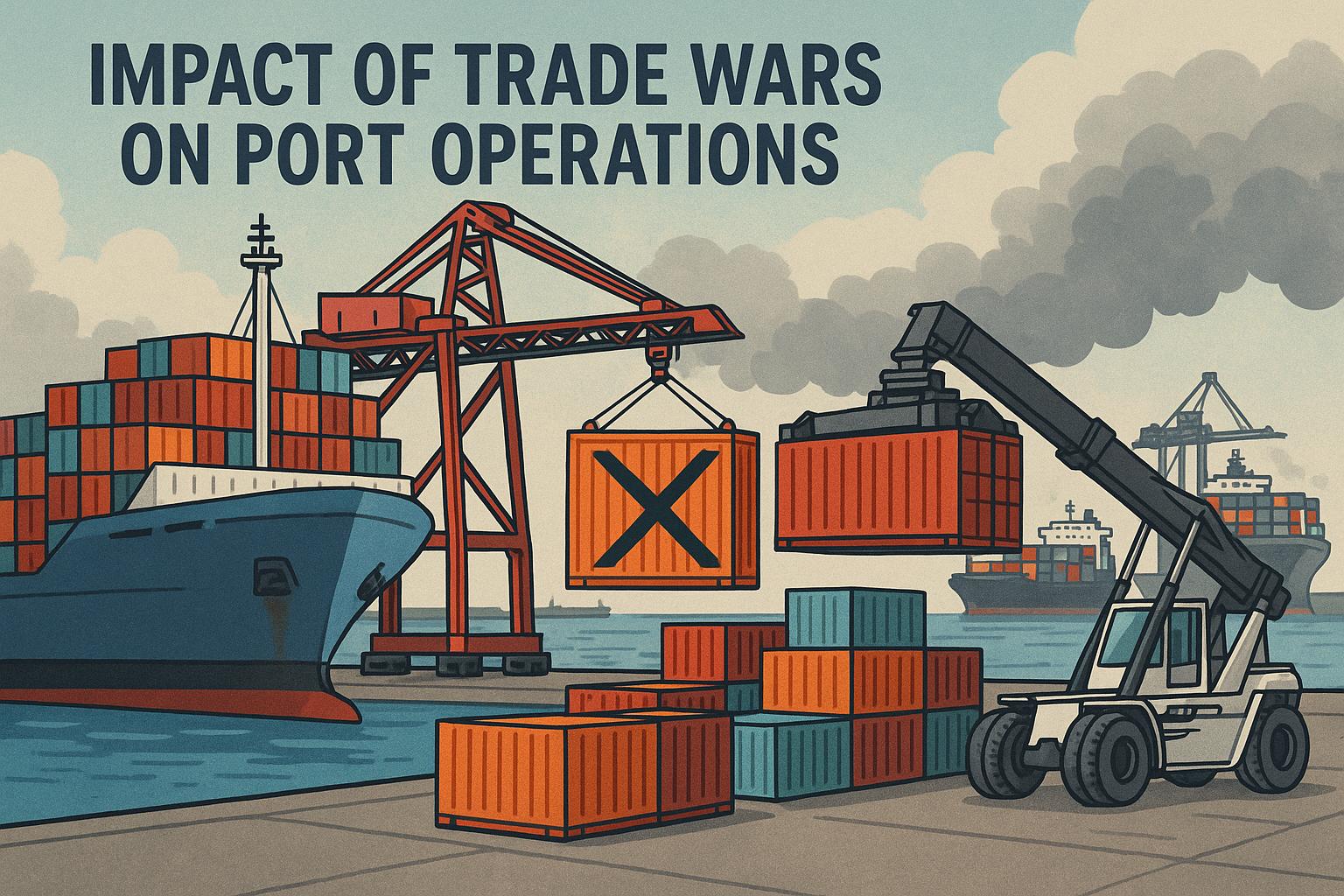
Despite these benefits, port development under the BRI has not been without challenges. Some concerns include environmental impacts, local displacement issues, and the potential for debt accumulation for host countries financing large-scale projects.
Conclusion
The Belt and Road Initiative’s emphasis on port development is a testament to the critical role ports play in facilitating global trade. Through strategic investments and developments, BRI aims to bolster trade routes and promote economic integration across continents. However, it is essential to navigate the associated challenges to ensure these developments are sustainable and beneficial in the long term.
Historical Background
The Belt and Road Initiative is rooted in the historical Silk Road, which was a network of trade routes connecting the East and West. This ancient passage facilitated commerce and cultural exchanges for centuries. By reviving this concept in a modern context, China aims to recreate a connected economic landscape that fosters mutual growth and development.
The initiative was first announced by President Xi Jinping in 2013, marking a strategic move to integrate China’s economy with the rest of the world more deeply. As countries globally grapple with economic uncertainties, the BRI presents an opportunity to build resilient economies through collaboration and infrastructural development.
The Structure of BRI
The BRI has evolved into a complex framework involving numerous stakeholders, including countries, financial institutions, and international organizations. It primarily consists of two main components: the Silk Road Economic Belt and the 21st Century Maritime Silk Road.
The Silk Road Economic Belt focuses on enhancing land-based connections across Eurasia, promoting trade and investment. This involves the development of roads, railways, pipelines, and industrial parks.
The 21st Century Maritime Silk Road emphasizes the development of sea-based infrastructure. This involves the construction and modernization of ports across the Indian Ocean, the South China Sea, and the Mediterranean, enhancing maritime trade links.
Financial Implications
Financing the BRI projects is a significant aspect of its execution. It involves major financial contributions from Chinese institutions such as the Asian Infrastructure Investment Bank (AIIB) and the Silk Road Fund. These entities provide essential funding for developing infrastructure projects across various countries.
However, financing BRI projects has sparked concerns about debt sustainability for some participating countries. The emphasis on loans raises questions about financial prudence and the potential burden on economies with weak fiscal foundations. Therefore, ensuring effective financial management and sound investment practices is crucial for the long-term success of BRI projects.
Broader Economic Impact
The Belt and Road Initiative has a far-reaching economic impact, influencing global economics through increased connectivity and collaboration. It encourages investment across various sectors, including manufacturing, information technology, and energy, beyond infrastructure development.
For developing countries, the BRI presents an opportunity to upgrade infrastructure, attract foreign investment, and gain access to new markets. This can stimulate economic growth, reduce poverty, and enhance living standards. However, realizing these benefits requires navigating complex political, social, and environmental challenges.
For developed economies, the BRI offers markets to export goods and services and avenues for investment in emerging economies. This collaboration can lead to knowledge sharing, technological transfer, and mutual prosperity.
Environmental Considerations
The environmental implications of the BRI are a topic of ongoing scrutiny. Infrastructure development projects, including port construction, often involve extensive modifications to the natural landscape, potentially impacting ecosystems and biodiversity.
The implementation of environmentally conscious strategies is essential to mitigate these effects. This includes incorporating sustainability in project design, adhering to international environmental standards, and promoting renewable energy solutions.
Countries involved in the BRI must balance economic pursuits with environmental preservation to ensure that development is sustainable in the long run. Sharing best practices and employing innovative technologies can support this goal.
Political Dimensions
The BRI has significant political implications, shaping relations between participating countries. It serves as a strategic tool for China to enhance its geopolitical influence and foster harmonious relationships with partner nations.
However, differing national interests and geopolitical tensions present challenges. Ensuring equitable benefits and fostering mutual trust and cooperation are critical for maintaining the initiative’s momentum. Diplomacy and dialogue are vital in addressing conflicts and fostering a cooperative economic environment.
Cultural Exchange and Cooperation
Beyond economic and political aspects, the BRI facilitates cultural exchange and cooperation. As Asian, European, and African countries collaborate, they exchange cultural values, traditions, and knowledge, deepening mutual understanding and respect.
Cultural events, educational partnerships, and tourism are among the avenues for fostering cross-cultural interactions. These exchanges promote peace, unity, and collaboration among nations, contributing to global harmony.
Future Prospects
As the Belt and Road Initiative progresses, its future remains promising yet filled with uncertainties. The initiative’s success will depend on the ability to adapt to a rapidly changing global landscape, address emerging challenges, and foster equitable development.
Collaboration between governments, businesses, and communities is essential for the BRI’s success. Embracing innovation, enhancing transparency, and prioritizing sustainable practices will contribute to its continued growth and the realization of shared economic prosperity.