Introduction to Tariffs
Tariffs are taxes imposed by a government on imported goods, playing a substantial role in shaping a nation’s economic landscape. Governments use tariffs for several reasons, including protecting domestic industries from foreign competition, generating additional revenue, and responding to trade actions by other countries with retaliatory measures. Each of these usages has its rationale and results, which directly and indirectly influence various facets of the economy, including port operations and volumes.
Understanding Port Volumes
Port volumes signify the total quantity of goods passing through a port within a set period and offer a crucial measure of a region’s trade activities and economic health. Ports act as essential nodes within the global supply chain, facilitating the movement of large volumes of goods across countries and continents. Consequently, any change in trade policies, such as the implementation of tariffs, can have profound effects on the amount and type of goods passing through ports.
Impact of Tariffs on Port Operations
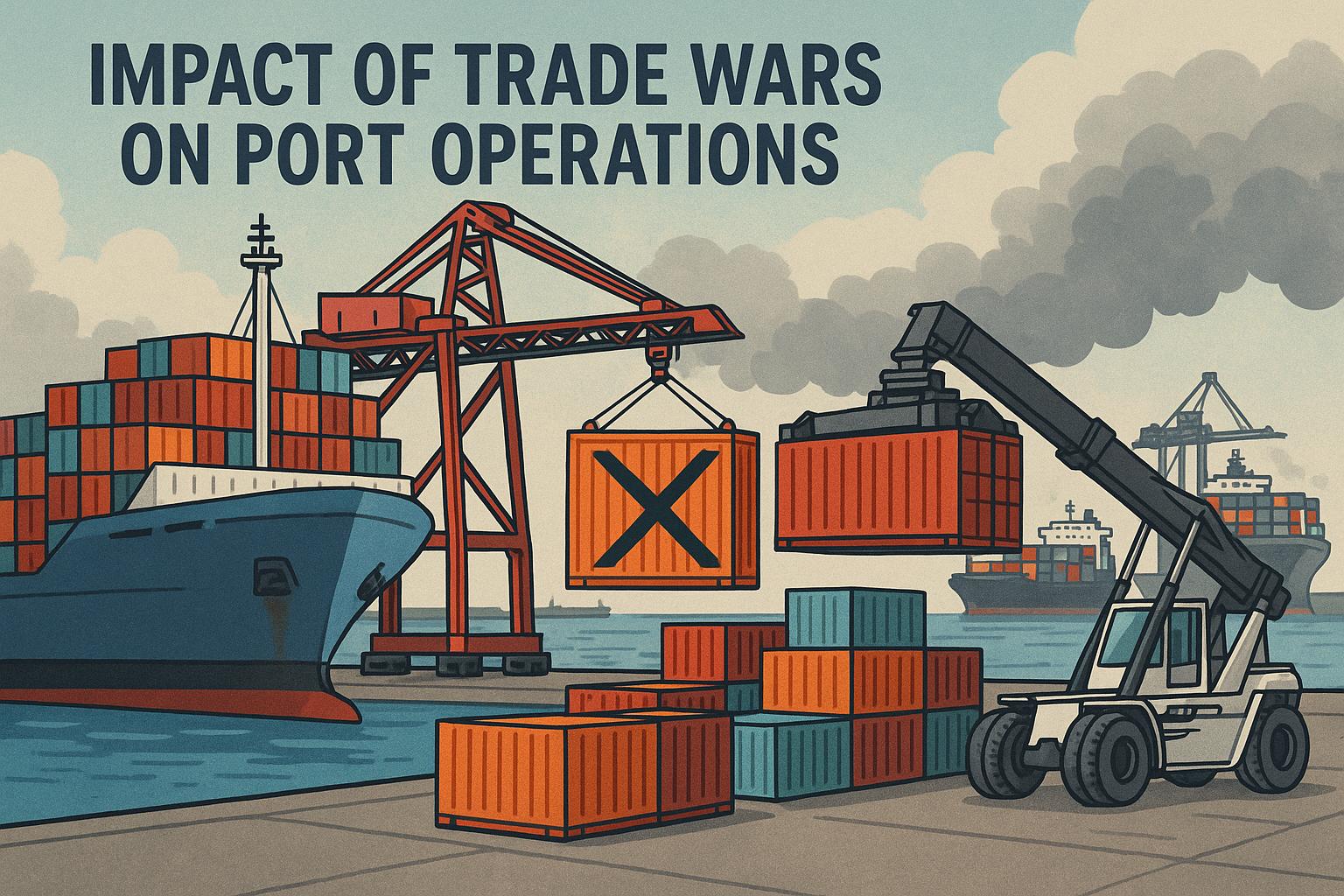
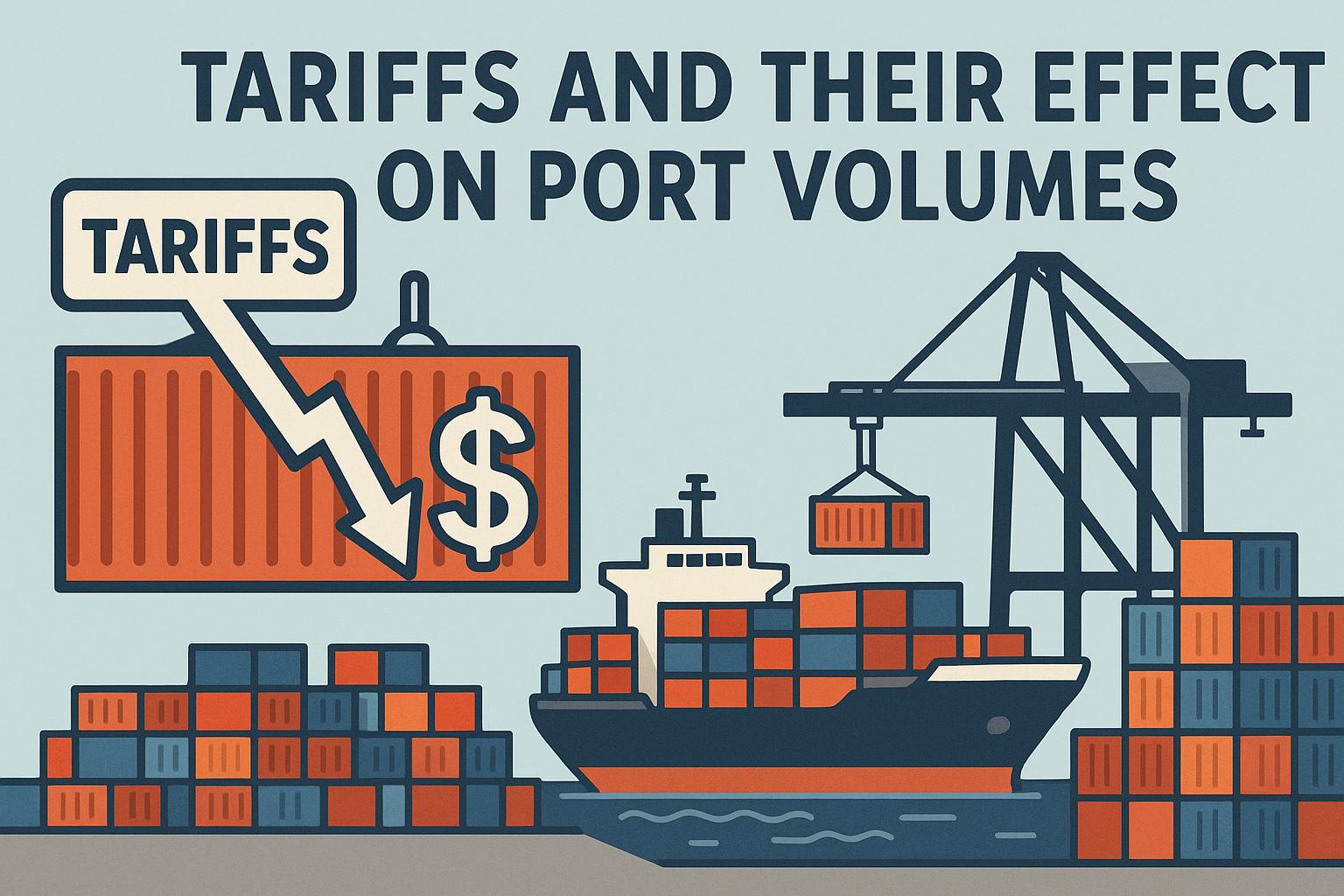
The imposition of tariffs can lead to tangible changes in trade patterns, substantially influencing port volumes. When tariffs increase the cost of importing certain goods, importers may reduce the quantity of these goods brought into the country, leading to a dip in port volumes. However, variations occur as businesses adjust their strategies; some importers might turn to alternative regions that offer goods with lower or no tariffs, elevating activity in specific ports. Hence, the direct consequence of tariffs is an adjustment in import behaviors, which reshapes port operations.
Port Congestion and Logistics
The dynamics of port congestion can pivot significantly with changing tariff policies. A reduction in imports resulting from higher tariffs may ease congestion, allowing quicker ship turnaround times and reducing storage costs. However, anticipation of tariff hikes may lead to rush shipments as importers expedite goods before tariffs are implemented, potentially causing temporary spikes in congestion. This creates a fluctuating environment in which logistics operations must adapt swiftly to maintain efficiency.
Economic Shifts and Port Volumes
Tariffs can induce economic shifts that ripple through supply chain routes and decision-making processes. To mitigate the increased costs imposed by tariffs, importers and exporters might reroute their shipping to countries not subject to tariffs. This may result in significant fluctuations in traditional trade routes and impact the level of activity at specific ports. Additionally, industries dependent on imported goods for production may scale back operations in response to increased costs, leading to decreased import volumes through ports. This illustrates the broader economic recalibrations that tariffs often precipitate.
Impact on Export Volumes
Export volumes can also feel the effect of tariffs, particularly when they are imposed by foreign markets on domestic goods. When external partners impose tariffs, local exporters may find reduced profitability or escalating costs when trying to access these markets, resulting in decreased export volumes through domestic ports. This provides a stark example of how interconnected international trade policy can direct affect local economic activity.
Investment and Infrastructure Changes
In reaction to the shifts provoked by tariffs, port authorities, alongside governments, may choose to invest in improving infrastructure or changing operational strategies. These changes often aim to accommodate altered volumes and preserve efficiency and competitiveness. Investments might include expanding port facilities, enhancing technological capabilities, and improving logistic networks. Such proactive measures ensure ports can adapt to changing trade realities more effectively, maintaining their critical role in global trade routes.
Conclusion
The multifaceted effects of tariffs stretch across import and export activities, influencing every aspect of port operations. These dynamics underscore the deep interconnectedness of trade policies, economic decision-making, and logistics environments. Businesses and policymakers alike are tasked with developing and implementing strategic responses to effectively manage shifts within the global trade landscape caused by tariff realignments. The ability to anticipate changes and innovate in response to these pressures defines success in a continually evolving economic environment.