Understanding Port Privatization
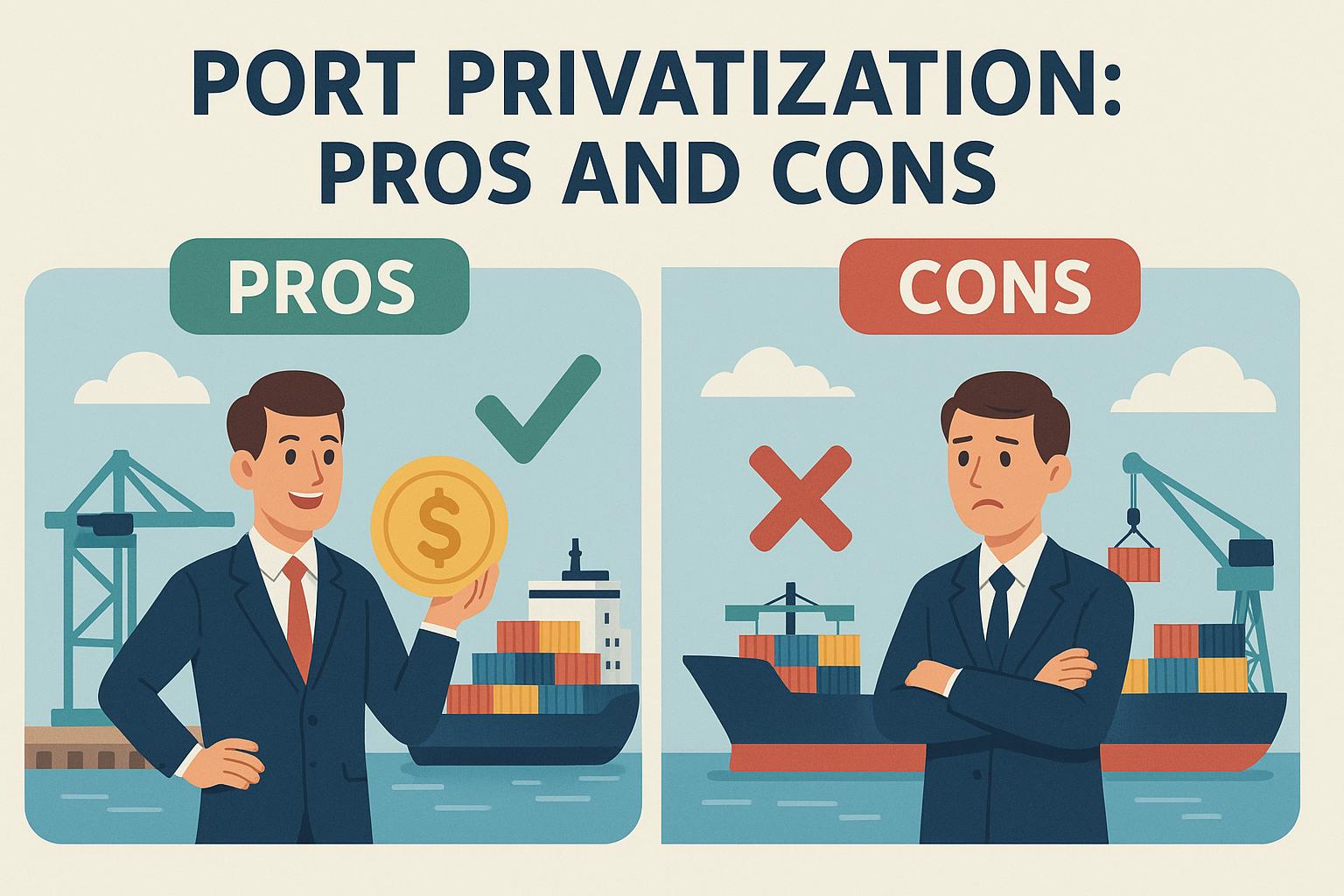
Port privatization refers to the transfer of ownership, management, or operational responsibilities of ports from public to private entities. This shift usually aims to enhance efficiency, improve financial performance, and reduce government burden. To understand the implications, it is essential to examine both the advantages and disadvantages of port privatization thoroughly.
Advantages of Port Privatization
Enhanced Efficiency: One of the primary arguments in favor of port privatization is the potential for increased operational efficiency. In the public sector, operations can sometimes be hindered by bureaucratic delays and inflexible practices. Conversely, private sector entities tend to have the flexibility to implement innovative practices and cutting-edge technologies. This flexibility can lead to streamlined operations, reduced transaction times, and ultimately enhanced service delivery. The implementation of advanced technological solutions such as automated cargo handling systems, digital tracking of goods, and customer interface platforms can significantly reduce time-consuming processes and increase turnaround times, meeting the expectations of global trade dynamics.
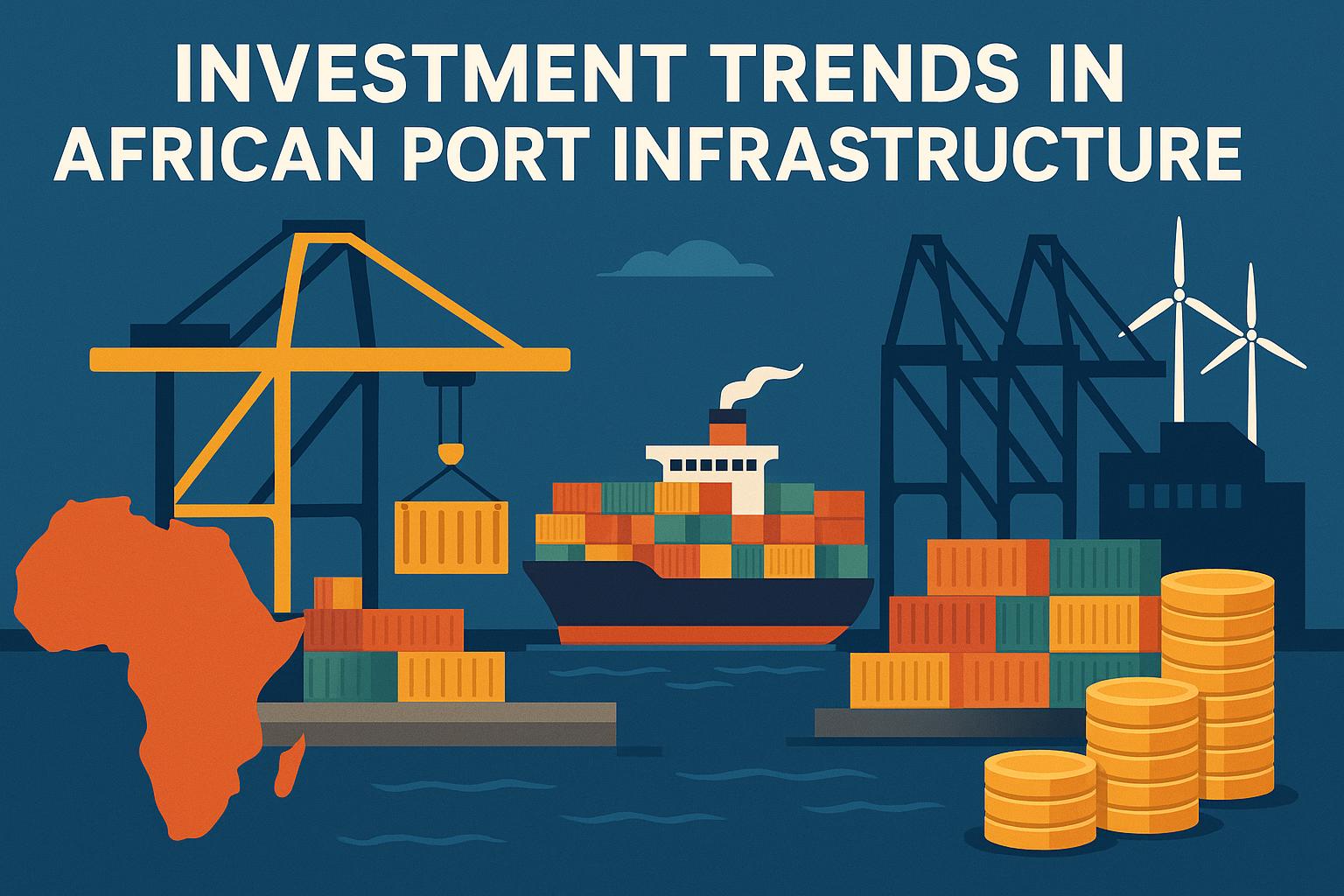
Investment and Development: Another significant advantage of privatization is the attraction of private investment which can lead to major infrastructure improvements and expansions. Ports that are under private management may receive increased funding for modernization efforts, allowing them to expand capacity and provide better services to accommodate rising global trade demands. For instance, updated port facilities equipped with the latest technology can handle larger ships and increased cargo volumes, thereby becoming central hubs in international trade networks. Consequently, these improvements not only elevate the port’s status but also foster the local and national economy by creating more job opportunities and business activities around the port areas.
Financial Relief for Governments: Port privatization can provide considerable financial relief for governments. Managing large-scale infrastructure like ports requires substantial financial resources. By transferring ports to private ownership, the government can eliminate the financial burden associated with maintaining and upgrading port facilities. This relief allows governments to reallocate those resources to other essential public services, such as healthcare, education, and infrastructure development in other sectors, improving overall public welfare.
Revenue Generation: Privatization can also enable governments to generate a steady stream of revenue through various mechanisms such as taxes, lease agreements, and profit-sharing from port operations. These financial inflows contribute positively to the national economy, providing funds for other critical projects or helping to balance national budgets. Additionally, this continuous revenue can support economic stability and development over the long term.
Challenges of Port Privatization
Despite the potential benefits, port privatization presents several challenges that policymakers and stakeholders must address:
Monopoly Concerns: One significant concern is the potential for monopolistic control. When a single private entity gains control over a port, it may lead to a concentration of power that could result in inflated fees for port users, such as shipping companies and exporters. This monopolistic environment may hinder fair competition, restrict access for smaller businesses, and ultimately increase costs throughout the supply chain. To counter this, regulators must carefully oversee these entities and implement policies designed to foster competition and prevent exploitation.
Limited Public Influence: Another challenge is the reduction in public oversight and influence over port operations, key decisions, and implementation of policies affecting national trade. Privatized ports may prioritize profit over public welfare, leading to decisions that may not align with the broader interests of the local or national economy. Lack of transparency can lead to situations where decisions may prioritize short-term gains for private owners at the expense of long-term economic or social objectives. Ensuring transparency and a fair representation of public interest becomes increasingly important in such scenarios.
Labor Issues: Transitions to private management often involve workforce restructuring. This can manifest in layoffs, changes in working conditions, or modifications to employee benefits—measures that might be deployed by private entities seeking to cut costs and improve profitability. Such changes might lead to labor disputes, union unrest, or strikes, which can disrupt port operations and have wider economic implications. Ensuring fair labor practices and maintaining healthy employer-employee relations are critical factors that need addressing during the privatization process.
Security Concerns: Ports serve as critical nodes for national security and economic activities. When privatization occurs, especially involving foreign or less-regulated private entities, it may introduce vulnerabilities concerning national security. The potential for decreased oversight or a firm’s lack of alignment with national security interests could lead to gaps in security protocols, increasing the risk of illicit activities, contraband smuggling, or geopolitical conflicts. Thus, a comprehensive and carefully crafted regulatory framework governing port operations under private ownership is essential to safeguard national safety and uphold stringent security standards.
Conclusion
Port privatization offers a blend of both benefits and pitfalls. While it can enhance operational efficiency, attract substantial private investment, and ease financial burdens for governments, the approach is not without its downsides. Risks such as monopoly control, diminished public oversight, labor conflicts, and national security concerns call for vigilant oversight and comprehensive regulatory frameworks. A balanced approach, incorporating careful planning, execution, and monitoring of privatization processes, can help align these efforts with national economic and social objectives while ensuring that public interest and security remain at the forefront. Through thoughtful engagement with all stakeholders, policymakers can harness the benefits of privatization while mitigating its potential drawbacks, delivering favorable outcomes for both the country’s economy and its citizens.