The Concept of Underwater Cargo Terminals
Underwater cargo terminals have emerged as an innovative solution aimed at optimizing maritime logistics and addressing the challenges faced by traditional port facilities. These novel infrastructures offer unique advantages, primarily focusing on efficiency, environmental sustainability, and space utilization. As worldwide shipping continues to grow rapidly, the need for alternative solutions to traditional port operations becomes more imperative, and underwater cargo terminals may provide the requisite innovation.
Rationale Behind Underwater Terminals
The increasing volume of global trade necessitates the expansion and enhancement of cargo handling facilities. Traditional ports often encounter limitations related to land availability, environmental impact, and logistic inefficiencies. Today, port infrastructures are often restricted by urban development, environmental regulations, and community opposition concerning land use policies. Underwater cargo terminals respond to these challenges by utilizing underwater space, leveraging the vast oceanic areas, thereby reducing the need for expansive land development and minimizing the ecological footprint of expanding port operations. Emphasizing spatial economy, these terminals may create significant savings by alleviating harbor congestion and utilizing unused aquatic territories.
Design and Functionality
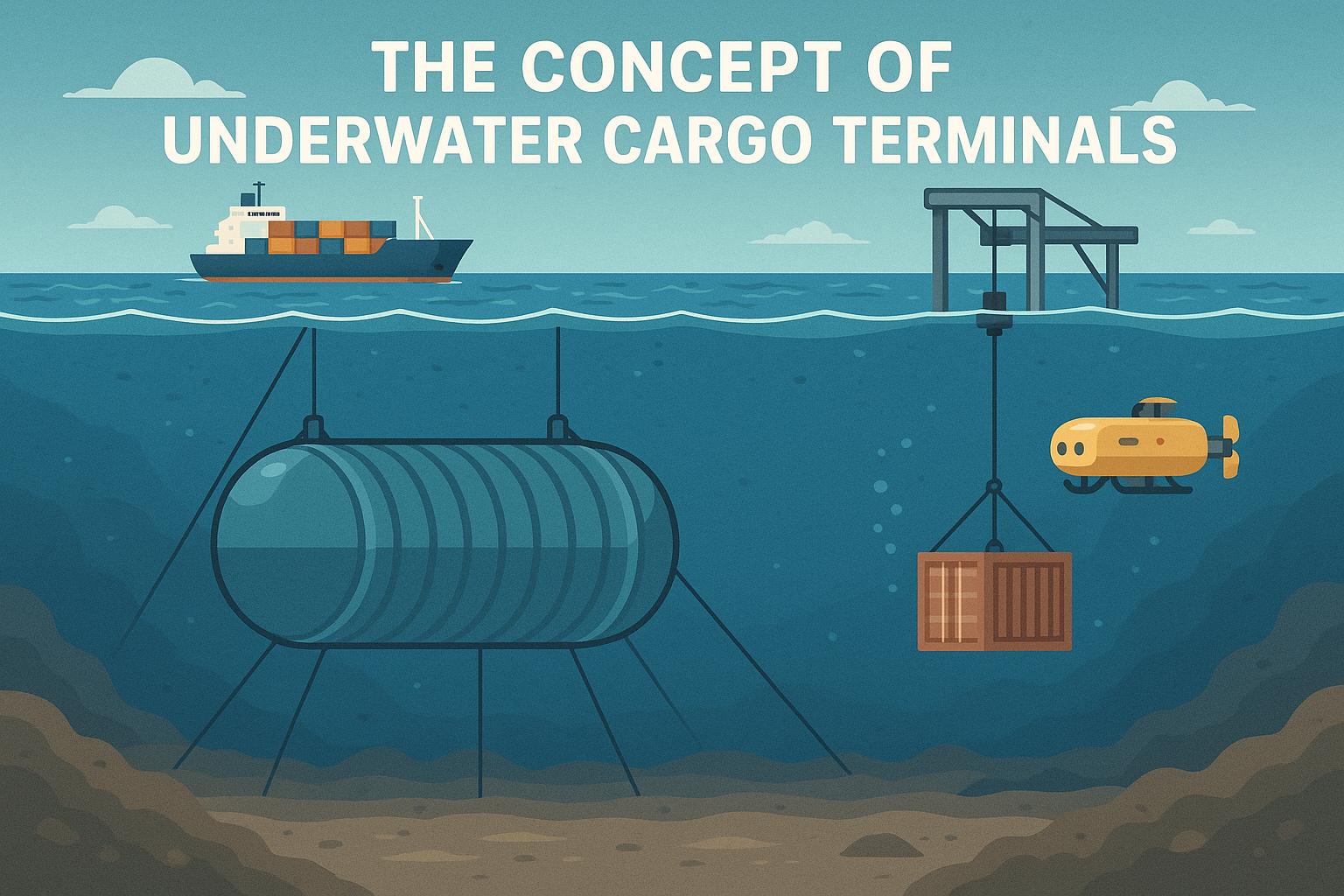
Underwater cargo terminals are typically designed as submerged platforms or entirely underwater structures, surrounded by an array of sophisticated systems that manage a range of operations. These terminals are equipped with advanced technology to facilitate loading and unloading operations, integrating seamlessly into existing maritime pathways. Cargo is transferred between underwater platforms and surface vessels through elevator-like systems or specialized submersible vehicles. These mechanisms are innovatively driven by state-of-the-art technology and offer a transformative way to manage cargo, underscoring the importance of leveraging technology to solve logistical challenges. This approach is not only space-efficient but also minimizes interference with shipping routes and coastal activities. By striving to achieve efficiency in every aspect, from construction to operation, underwater terminals can redefine seaborne freight strategies.
Technological Integration
The successful operation of underwater cargo terminals relies heavily on sophisticated technology. Automation plays a crucial role, with robotic systems handling cargo movement and storage without the constant need for human intervention. Automation not only reduces operational costs but also enhances precision and safety during cargo handling processes. Advanced navigation systems ensure that vessels can safely approach and depart from these underwater facilities, minimizing risks associated with human error. Furthermore, the integration of remote monitoring and control systems allows operators to oversee terminal activities in real-time with remarkable accuracy and efficiency. This integration helps maintain high levels of safety and efficiency, providing an adaptive operational framework capable of managing varying cargo scales and requirements. In an industry sensitive to technological trends, the integration of digital systems defines the capability and adaptability of these terminals.
Environmental Considerations
One of the most significant benefits of underwater cargo terminals is their potential to reduce environmental impact. By locating operations below the water’s surface, these terminals can preserve coastal landscapes and habitats, limiting human footprint on sensitive marine ecosystems. Unlike conventional expansions that often require dredging or shoreline modifications, underwater terminals avoid disturbing natural habitats. Additionally, they contribute to lower emissions by optimizing cargo handling processes and reducing the distance that cargo must be transported overland. Advanced engineering solutions employed in these terminals ensure that energy use is minimized, aligning with environmental goals. This focus on sustainability aligns with the global push for carbon reduction and sustainable development within the shipping industry, meeting critical targets outlined in international agreements and legislative frameworks. Protecting marine environments while ensuring industrial growth provides a dual benefit of commercial viability and ecological preservation.
Economic Viability and Challenges
While the concept of underwater cargo terminals presents numerous advantages, their implementation is not without challenges. High construction and maintenance costs pose economic hurdles that must be addressed through careful planning and investment. Construction under the sea involves significant engineering challenges and demands a high level of individual expertise and workmanship. Financial modeling and investment strategies are needed to offset initial expenditures through long-term benefits. Additionally, the need for specialized equipment and technology necessitates significant research and development efforts. Collaborative industry-government initiatives may facilitate the necessary advancements in marine technology and operation to make these projects feasible. Despite these challenges, the potential benefits of increased efficiency and environmental conservation make the pursuit of underwater cargo terminals an enticing prospect for many port authorities. Cost efficiencies realized over the operational lifespan and the ability to accommodate future industry demands can justify high initial start-up expenses.
The Future of Port Infrastructure
As global trade continues to evolve, the maritime industry must adapt to ensure efficient and sustainable operations. Underwater cargo terminals represent a promising development in port infrastructure, offering a solution to space constraints and environmental concerns associated with traditional ports. As technological advancements progress and cost barriers are overcome, it is likely that these innovative facilities will play an increasingly vital role in the future of global logistics. This could lead to paradigm shifts in cargo management, creating new international standards for efficiency and ecological responsibility. Investments in knowledge development, technology enhancement, and international cooperation may unlock unprecedented opportunities that emphasize a modern, integrated rationale for underwater terminals, exploring their role as a cornerstone of 21st-century trade practices. Adaptation to evolving maritime challenges will be essential for remaining relevant and ensuring that such infrastructure fulfills its intended purpose as a driver of growth and development.
In conclusion, underwater cargo terminals represent both a challenge and an opportunity. They present a pathway to addressing some of the most pressing logistic and environmental issues faced by the maritime industry today. With continued research, investment, and collaborative partnerships, these structures stand ready to act as a transformative force in the global shipping landscape, setting new standards for operational excellence and sustainable development.