Understanding Fishery Ports
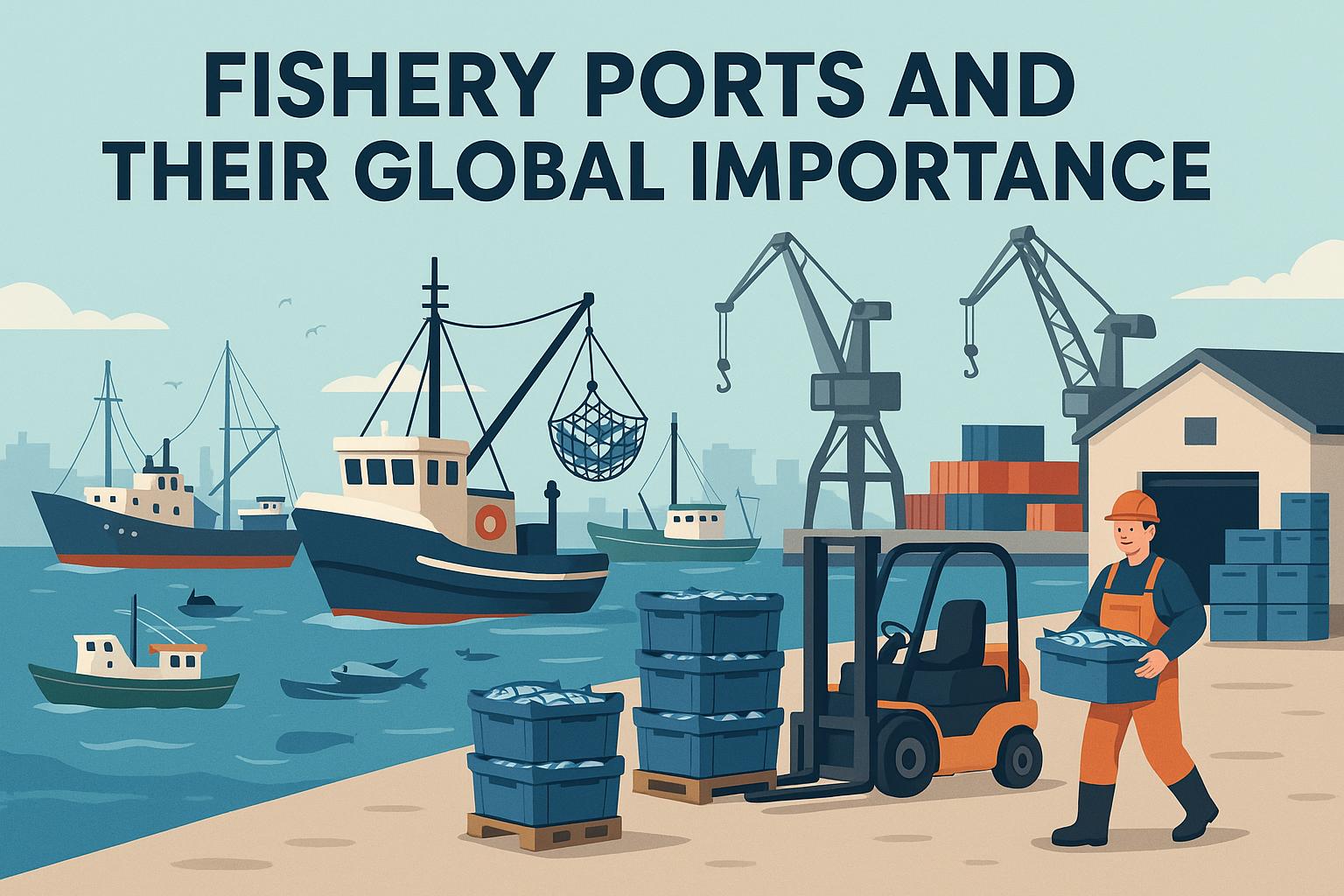
Fishery ports serve as crucial nodes in the global fishing industry. They are vital for handling, processing, and transporting seafood, thus facilitating the movement of fish from oceans to markets worldwide. At these ports, fish are unloaded, sorted, and often processed for further distribution. This makes fishery ports indispensable for maintaining the supply chain in the seafood industry.
The Role of Fishery Ports in Economic Development
Fishery ports contribute significantly to the economy, particularly in communities where fishing is a primary source of income. These ports provide employment to a significant number of people, from fishermen to those involved in processing and logistics. The economic benefits extend beyond the port itself, as they stimulate local businesses such as ship repairs, maintenance services, and supply shops. Thus, the health of fishery ports often reflects the economic conditions of coastal communities.
The Economic Ripple Effect
The economic footprint of fishery ports extends beyond direct employment. Local economies in coastal regions often thrive because of the ancillary businesses and services needed to support port activities. Warehousing, ice production, and transport services all play an essential role in the port ecosystem. The demand for locally sourced goods and services contributes to the financial well-being of a broader community. Therefore, fishery ports are more than just points of transaction; they are vital components of local, regional, and national economies.
Key Components of Fishery Ports
Infrastructure at fishery ports is designed to support a range of activities associated with fishing. Facilities often include docks, refrigeration units, processing plants, and auction halls. The infrastructure must accommodate the turnaround time, as fresh fish has a limited shelf life. Effective waste management systems are also necessary to handle by-products and maintain environmental standards.
Technological Integration
Technological advancements have improved operational efficiency at fishery ports. Modern ports might employ automated systems for sorting and data management tools to monitor fish stocks and logistics. Such technological integration helps in reducing waste, optimizing resource use, and maintaining sustainability within the fishing industry. For instance, ports implement real-time monitoring systems to predict fish stock levels, ensuring that active strategies adjust to available resources effectively. Automation in sorting and packaging can also expedite processes, mitigating the spoilage risks inherent in the industry.
Operational Aspects and Environmental Concerns
Beyond the infrastructure, operational procedures at fishery ports involve a spectrum of activities. Ports manage an intricate balance between speed and accuracy, ensuring that fish reaches consumers in its freshest form. However, this involves challenges related to logistics, such as managing peak season volumes and maintaining quality.
Preserving Marine Life while Maintaining Supply Chains
A crucial challenge facing fishery ports is the balance between economic activity and marine conservation. Overfishing poses a significant threat to marine ecosystems, making sustainable practices essential. Fishery ports increasingly adopt policies and technologies that support sustainable fishing, such as using satellite data to prevent illegal fishing and employing eco-friendly port management practices.
The emphasis on sustainable fishing practices comes with the necessity of maintaining an equilibrium between meeting global food demands and preserving marine biodiversity. Adopting eco-friendly management practices promotes conservation efforts by reducing the ecological footprint left by fishing activities. Fishery ports are at the center of these efforts, engaging with community stakeholders to promote awareness and advocate for the protection of marine species.
Collaborations and Regulatory Measures
Fishery ports facilitate collaborations between governments, non-profits, and industry stakeholders to promote sustainability. These collaborations aim to enhance regulations, implement sustainable fishing practices, and educate communities about the long-term benefits of conserving marine resources. Through collective action, these entities work to ensure the protection of marine environments while supporting economic growth.
Governments often play a significant role in establishing robust legal frameworks to regulate fishing efforts and protect endangered species. By enforcing stricter guidelines, erroneous practices, such as illegal and overfishing, receive appropriate checks. Meanwhile, non-profit organizations work to educate the public and industry players on the benefits of sustainable fishing.
The Global Significance of Fishery Ports
Globally, fishery ports play a role in food security and international trade. The demand for seafood is not confined within national borders. Exports from fishery ports significantly contribute to the food supplies of importing countries, underscoring their importance on an international scale. Ports in major fishing nations like Japan, Norway, and Spain serve as hubs in the global seafood supply chain, influencing market dynamics and trade policies.
Major ports in these countries not only boost the economic conditions but also act as gateways for a plethora of species that cater to diverse culinary traditions worldwide. The interdependence fostered by these ports enables countries to diversify food resources, demonstrating the global dimension of local fishing activities.
Conclusion
In summary, while fishery ports are critical for economic growth and food security, they must also evolve to incorporate sustainable practices. This ensures that the demands of today do not compromise the needs of the future, ultimately fostering a balanced approach to fisheries management. The ongoing development and adaptability of these ports are integral to meeting both economic needs and environmental responsibilities, underscoring the importance of fishery ports in the modern world.