Introduction to Blockchain in Ports
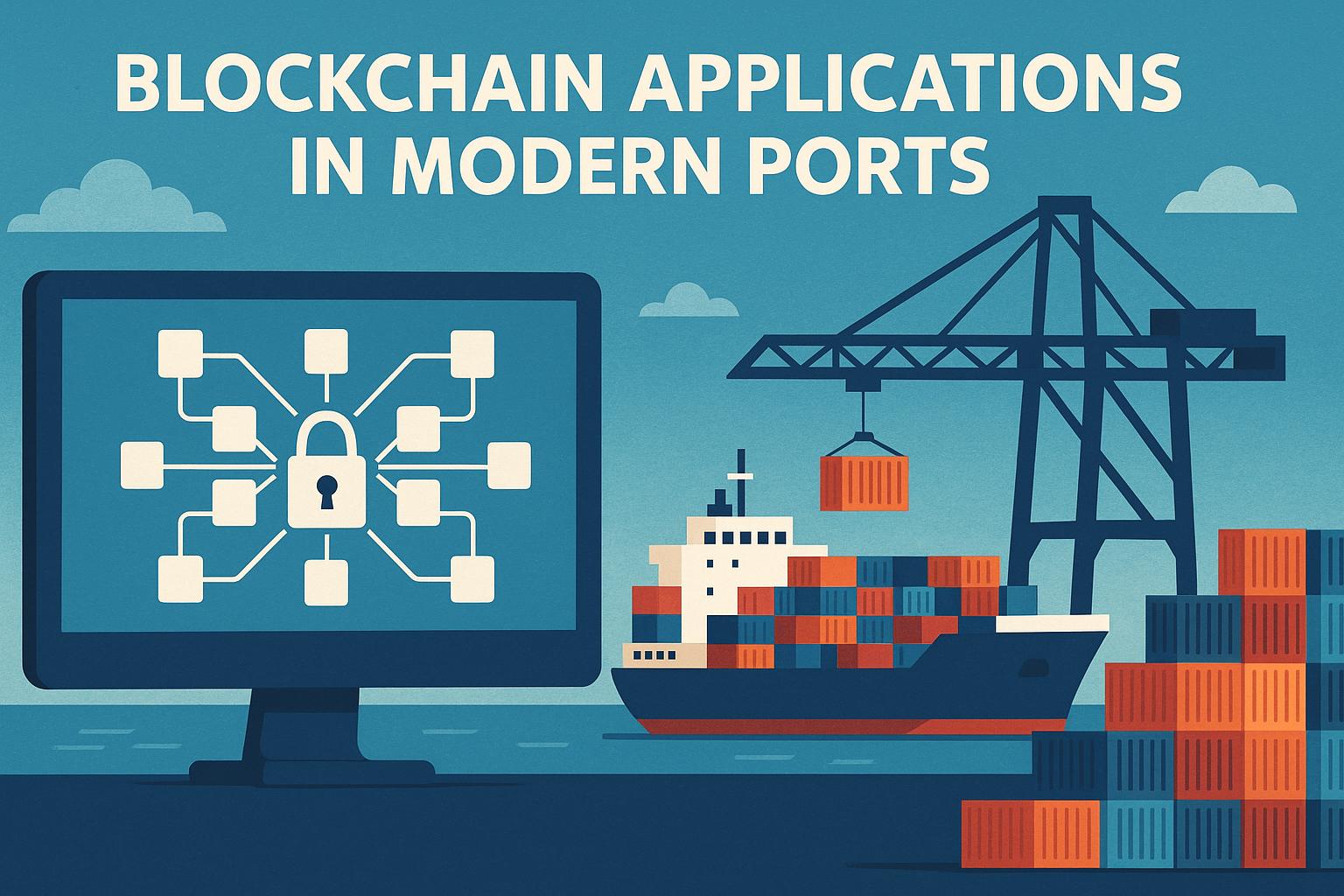
The integration of blockchain technology into modern ports is revolutionizing how global trade operates. Ports are crucial nodes in international logistics, and they are now utilizing blockchain to enhance transparency, efficiency, and security in their operations. This transformation is essential for managing the complexities and scale of current global supply chains.
Enhancing Transparency and Traceability
The decentralized nature of blockchain provides an immutable record of transactions. In the context of port operations, this means that every action, ranging from container loading to shipment arrival, is recorded in a verifiable and unchangeable ledger. This level of transparency ensures that all stakeholders have access to real-time data on cargo movement. The ability to track the journey of goods precisely reduces disputes and enhances trust among shippers, carriers, and port authorities.
Impact on Customs and Clearance
Customs processes are often plagued by delays due to paperwork and regulatory checks. Blockchain technology facilitates a more streamlined customs clearance by creating a secure, digital record of all necessary shipping documents. This digital transformation reduces processing time significantly and minimizes the risk of fraud or errors. By ensuring that documents are easily accessible and cannot be tampered with, blockchain technology allows for the faster movement of goods through ports, thereby improving the overall flow of international trade.
Improving Efficiency
Port logistics require a high level of efficiency to minimize costs and delays. Blockchain technology provides the means for better coordination among the various entities involved in port operations. By offering a unified platform for communication, blockchain technology eliminates redundancies and streamlines processes such as container handling and scheduling.
Enhancements in Container Management
Effective container management is crucial for port operations, and blockchain contributes significantly to this area by enabling real-time tracking and status updates of containers. With access to such detailed information, ports can better allocate resources and reduce the number of misplaced or delayed shipments. The enhanced oversight ensures that port facilities and equipment are used optimally, improving the efficiency of logistical operations.
Boosting Security
Security is a paramount concern in port operations due to the high value of cargo and the potential for illicit activities. Blockchain’s robust and encrypted framework significantly enhances security by safeguarding data from unauthorized access and tampering. Every transaction is encrypted and requires network consensus before being added to the blockchain. This ensures data integrity and authenticity, protecting the logistics chain from potential vulnerabilities.
Mitigating Risks
By offering a transparent overview of supply chain operations, blockchain technology plays a crucial role in reducing the risk of fraud, theft, and smuggling. The ability to monitor cargo movement effectively allows port authorities to ensure compliance with legal and regulatory requirements. This oversight capability bolsters the ports’ operational security and reduces the likelihood of criminal activities within the logistics chain.
The Future of Blockchain in Ports
The adoption of blockchain in ports signifies a shift towards more digital and connected port environments. While challenges such as interoperability and initial implementation costs exist, the long-term benefits of enhanced transparency, efficiency, and security are substantial. As this technology evolves, ports that adopt blockchain stand to gain a competitive edge in the increasingly complex world of global trade.
To further enhance the adoption process, ports need to invest in interoperable systems that can seamlessly integrate blockchain with existing technology infrastructure. Overcoming the challenges of interoperability will make it easier for different stakeholders to benefit from blockchain’s capabilities. Furthermore, as implementation costs decrease over time, the entrance barrier for small and medium-sized ports will also diminish, making blockchain more accessible to a broader spectrum of the industry.
Blockchain’s potential for expanding its applications in port operations remains vast. As the scope of blockchain technology grows, challenges such as data privacy, security breaches, and regulatory compliance continue to need attention. Addressing these challenges will be critical for maximizing blockchain’s value within port ecosystems.
Conclusion
In conclusion, blockchain is set to play a pivotal role in the modernization of port operations. Its ability to provide secure, transparent, and efficient solutions is transforming how ports manage logistics and trade activities. As the technology matures, more ports will likely adopt blockchain, acknowledging these advantages. Blockchain’s presence in the industry is expected to grow, driving further innovation and transformation in global trade dynamics. The potential for blockchain to shape the future of port operations underscores the importance of embracing digital evolution, ultimately leading to more resilient and robust global supply chains.