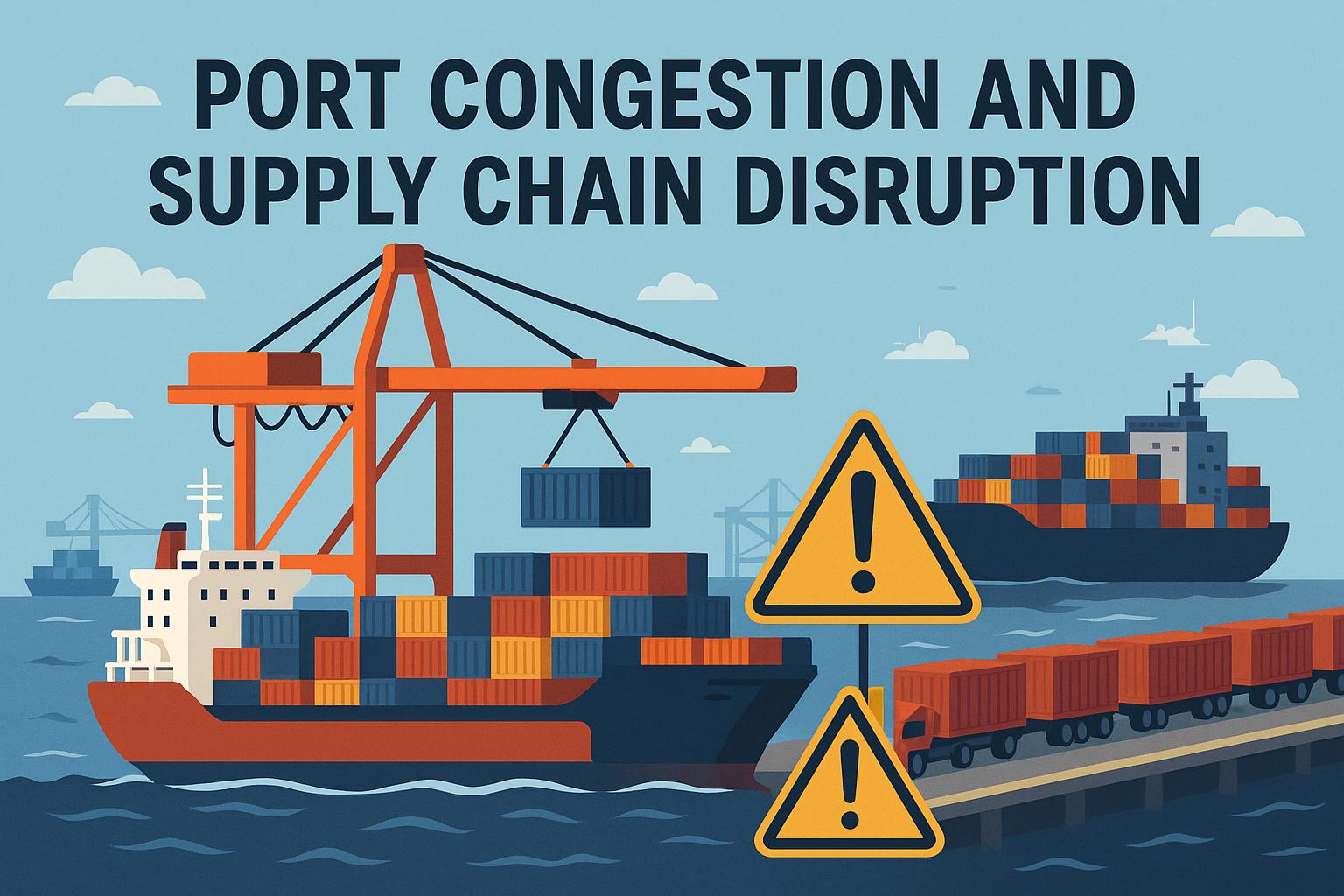
Understanding Port Congestion
Port congestion has increasingly become a focal point of concern for economies and businesses worldwide. This growing issue arises when ships reach ports faster than they can be loaded, unloaded, or serviced, resulting in delays and a built-up backlog. Given the interconnectivity of today’s global trade networks, the ramifications of port congestion can be extensive and far-reaching. The ability to understand and address the root causes of this congestion is crucial for maintaining the efficiency and reliability of international trade.
Causes of Port Congestion
The causes of port congestion are multi-faceted, stemming from various trends and challenges affecting the global shipping industry. A key factor is the recent surge in demand for consumer goods. With the advent of e-commerce and the ease with which consumers can access products from around the world, there has been a significant uptick in shipment volumes. This sharp increase has outpaced the infrastructure development of many ports, leading to bottlenecks.
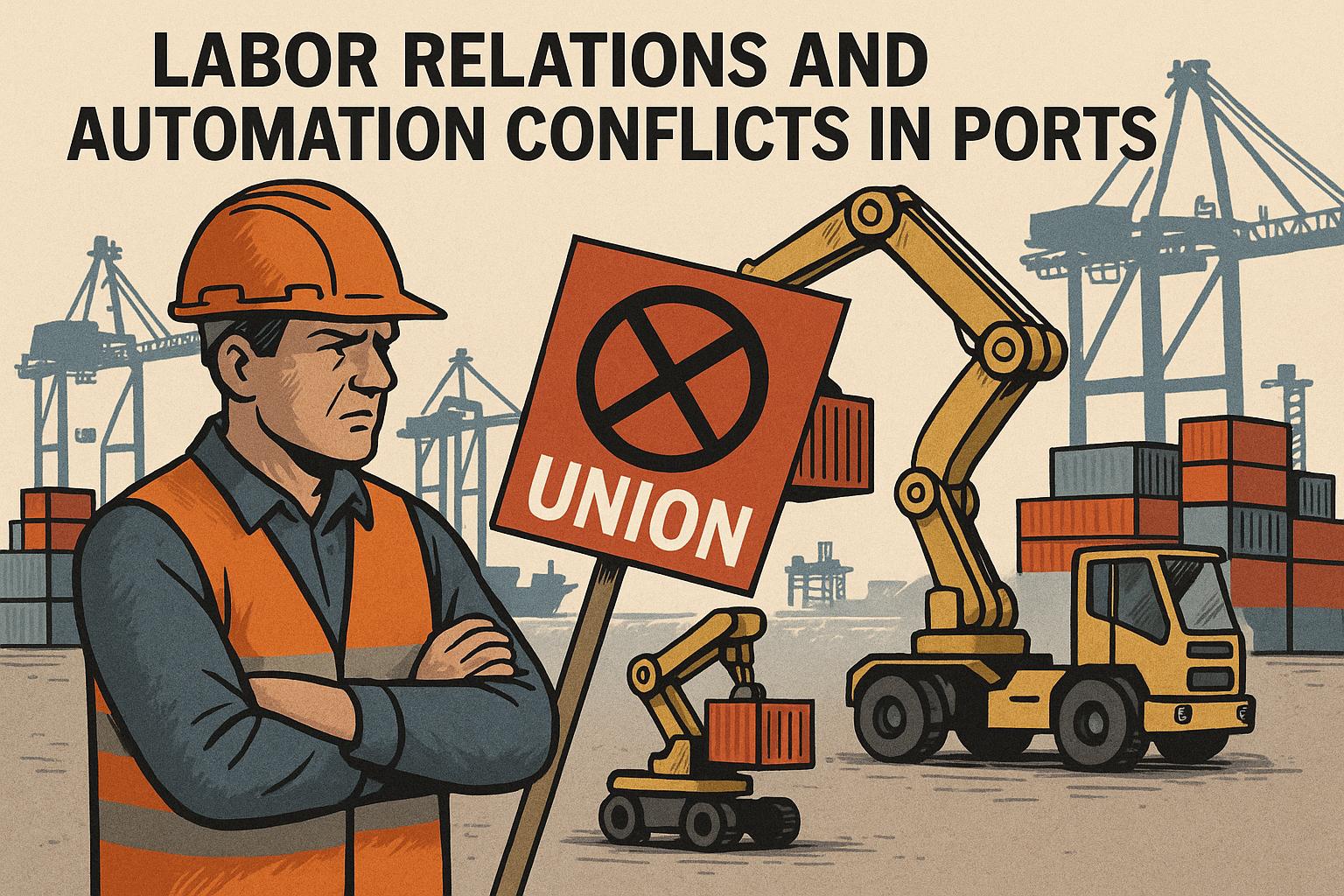
Moreover, many ports have not kept pace with the necessary technological and infrastructure upgrades required to handle larger volumes efficiently. This shortfall is also compounded by labor shortages. The COVID-19 pandemic highlighted vulnerabilities in the workforce, as health concerns and restrictions on movement led to a reduced availability of skilled labor at ports. This shortage of dock workers who facilitate essential operations such as loading, unloading, and routing freight is a direct contributor to extended delays and inefficiencies.
Additionally, the nature of port operations, which rely heavily on coordination between various maritime and logistics players, means that any disruption can have a cascading effect. Weather conditions, geopolitical tensions, and other external factors can exacerbate these operational pressures, making congestion a challenging issue to manage.
Impact on Supply Chains
Port congestion has pronounced effects on global supply chains, creating a ripple effect that is felt through various levels of production, distribution, and consumption. When ports experience delays, it directly affects the timely availability of goods. Manufacturers relying on specific components may face production halts, which can disrupt entire production lines. This disruption not only affects manufacturers but also impacts retailers who depend on consistent inventory levels to meet consumer demand.
As supply chains are disrupted, the unpredictability of product availability can result in either overstocking or stock shortages. This imbalance poses a significant problem for just-in-time production models, where efficiency and timing are critical. Retailers might find themselves grappling with unsatisfied customers and lost sales opportunities when products are unavailable during peak demand times.
Logistical costs are another area impacted by port congestion. Companies are often forced to explore alternative delivery routes or expedite shipping processes—all of which incur additional costs. These unforeseen expenses can cut into the profit margins of businesses and might eventually be passed down to consumers in forms of higher prices, further affecting market dynamics.
Response Measures
Addressing port congestion requires comprehensive and informed response measures that involve both immediate action and long-term infrastructure planning. Many port authorities are already investing in infrastructure enhancements to increase their capacity and operational efficiency. Upgrading facilities to handle larger vessels, expanding storage areas, and improving cargo handling systems are crucial steps in this process.
The adoption of technology plays a pivotal role in streamlining port operations. Automation of routine processes can significantly reduce human error and increase the speed of freight handling. Digital tracking systems enhance the visibility of shipping processes, allowing for better planning and coordination. These technologies not only speed up processing times but also facilitate better communication among stakeholders.
Collaboration remains vital to overcoming the challenges of port congestion. Ports working closely with shipping carriers, logistics companies, and governmental authorities can lead to improved forecasting and improved management of freight volumes. It creates an environment where potential issues are addressed preemptively, rather than reactively, thus facilitating smoother operations.
Looking Ahead
The issue of port congestion is unlikely to disappear entirely, but through strategic actions and industry collaboration, stakeholders aim to mitigate its adverse impacts. The focus continues to be on enhancing infrastructure, embracing advanced technologies, and fostering cross-sector partnerships to alleviate some of the current burdens.
For businesses, the key lies in adaptability and strategic planning. Companies that anticipate supply chain disruptions and have contingency plans in place are better positioned to withstand the challenges that arise from port congestion. By investing in flexible supply chain models, businesses can better maneuver the complexities of global trade.
In conclusion, port congestion remains an area of critical focus as global trade movements and supply chain networks continue to evolve. Tackling this issue requires a concerted effort from both public and private sectors to implement sustainable solutions. With ongoing improvements and collaborative efforts, it is possible to enhance the resilience of global supply chains, thereby ensuring more reliable and efficient operations for future trade activities. This continued focus on resolving congestion will bolster the overall health of international trade, providing long-term benefits for economies and businesses alike.