Sustainable Dredging Practices in Port Maintenance
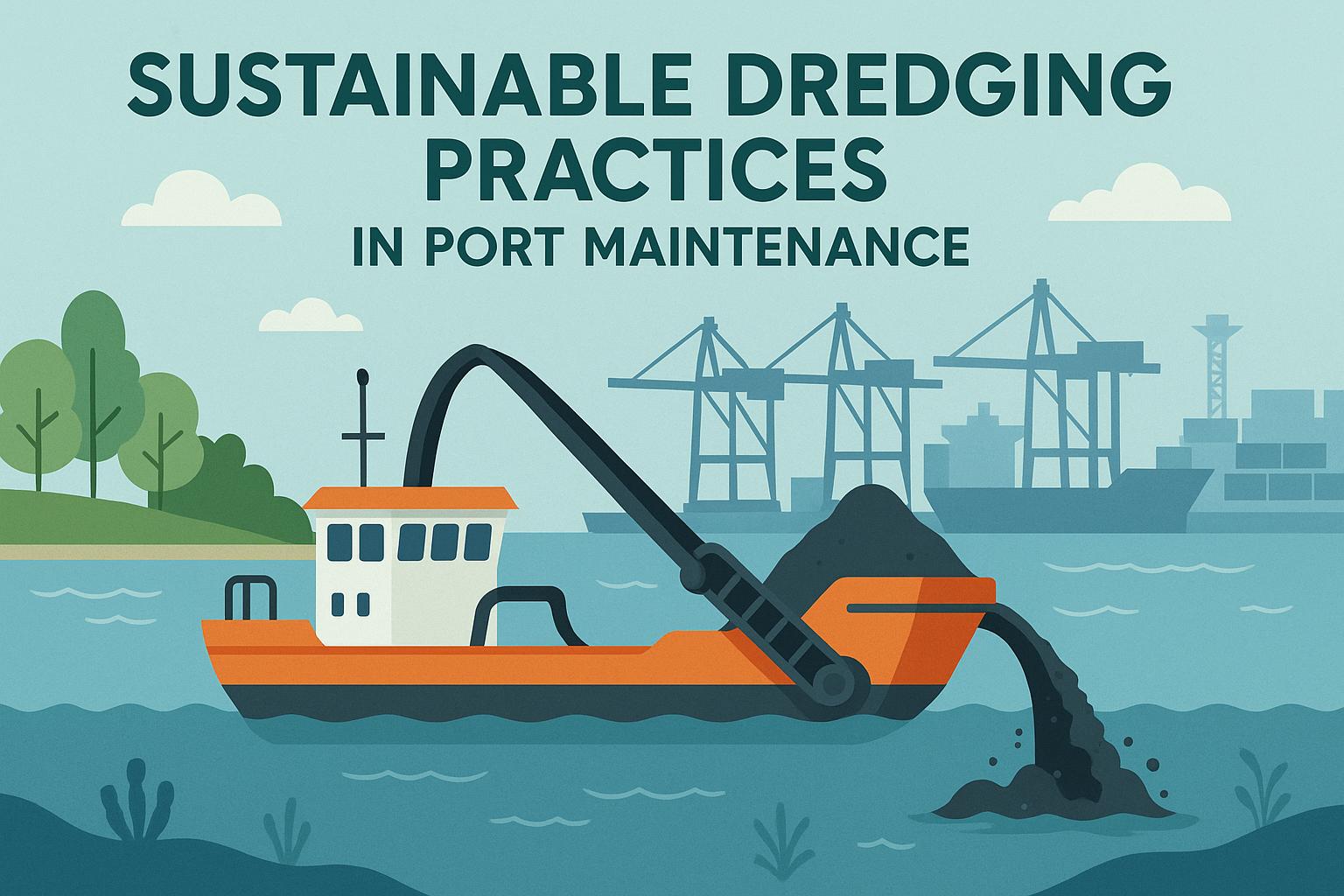
The demand for efficient and sustainable port maintenance is increasing, especially as global trade continues to expand. One critical aspect of keeping ports functional is dredging, which involves the removal of sediments and debris from the bottom of water bodies. This is crucial for ensuring safe and smooth navigation for vessels. However, traditional dredging practices often raise environmental concerns, prompting the need for more sustainable approaches.
Understanding Dredging and Its Environmental Impact
Dredging activities can have significant environmental repercussions. They disturb aquatic ecosystems, increase water turbidity, and can result in the relocation of contaminants. This process can disrupt local marine life and affect water quality. Therefore, transitioning towards sustainable dredging practices is pivotal for minimizing ecological damage while maintaining ports efficiently.
Key Components of Sustainable Dredging
Implementing sustainable dredging practices necessitates a multi-faceted approach. Here are some key components that are often adopted by port authorities:
1. Minimizing Sediment Disturbance: Reducing the area and depth of dredging minimizes disturbances. By accurately predicting sediment accumulation and targeting only necessary areas, the environmental impact can be significantly reduced.
2. Using Eco-Friendly Equipment: Advances in technology have led to the development of dredging equipment designed to lessen environmental impact. For instance, using quieter and more efficient machinery can lower noise pollution and reduce fuel consumption.
3. Beneficial Reuse of Dredged Material: Instead of discarding dredged material, it can be reused beneficially. This includes land reclamation, beach nourishment, and habitat restoration projects, which can prevent further resource depletion and mitigate environmental harm.
4. Continuous Monitoring and Adaptive Management: Employing real-time monitoring allows for adaptive management strategies. By continuously assessing the environmental impact, immediate corrective measures can be implemented if needed, ensuring minimal disruption to ecosystems.
Regulatory Framework and Stakeholder Collaboration
Creating a sustainable dredging practice framework requires collaboration. Governments, environmental bodies, ports, and industry stakeholders must engage collectively to develop regulations that ensure both economic and ecological benefits. This often includes stringent compliance with environmental laws and policies that encourage sustainable methods.
Challenges and Future Outlook
There are inherent challenges in implementing sustainable dredging practices, including high operational costs and technology adaptation. However, with ongoing research and innovation, these obstacles are becoming surmountable. The future of port maintenance lies in developing technologies and strategies that balance economic goals with environmental sustainability.
Adopting Sustainable Dredging Practices
The adoption of sustainable dredging practices is not just a recommendation but a necessity for modern port operations. As awareness about environmental conservation grows, port authorities worldwide are integrating sustainability into their operational frameworks. The shift towards sustainable dredging is driven by several converging factors.
The first factor is regulatory pressure. Governments and international bodies are increasingly setting environmental standards and regulations that ports must adhere to. This regulatory framework ensures that dredging activities are scrutinized under the lens of sustainability, promoting practices that reduce environmental damage.
Another crucial factor is technological advancement. The past few decades have witnessed significant improvements in dredging technology, which have made sustainable practices more accessible and feasible. Modern dredging equipment is not only more efficient but also designed to minimize environmental impact, for instance by reducing water turbidity and limiting underwater noise.
Moreover, stakeholder collaboration plays a key role in fostering sustainable practices. Ports operate within a nexus of various stakeholders, including shipping companies, environmental organizations, and local communities. Engaging these stakeholders in the decision-making process helps to align port operations with broader environmental and social goals. This collaborative approach ensures that the port management considers the ecological and socioeconomic impacts of dredging activities while seeking solutions that benefit all parties involved.
Innovative Approaches to Sustainable Dredging
Innovations in dredging practices extend beyond equipment upgrades. One such approach is the strategic planning of dredging operations. By utilizing advanced modeling tools that predict sediment movement and accumulation, ports can target dredging efforts more efficiently. This ensures that only the necessary areas are dredged, thereby reducing unnecessary disturbance to marine environments.
Furthermore, ports are exploring the integration of natural processes in their dredging strategies. Nature-based solutions, such as the use of living shorelines and wetland restoration, can complement traditional dredging methods. These approaches help to stabilize sediment and improve habitat quality for aquatic species, contributing to a healthier marine ecosystem.
Another innovative concept is the “eco-dredging” approach, which aligns dredging activities with ecological objectives. This involves carefully assessing potential environmental impacts before dredging and selecting methods that enhance rather than harm the ecosystem. In some cases, eco-dredging can improve water quality and promote biodiversity by creating conditions favorable to marine life.
Sustainable Dredging and Climate Change
Sustainable dredging practices are also important in the broader context of climate change. Rising sea levels and increased storm intensity pose challenges for port infrastructure, and proactive dredging strategies can help ports adapt to these changes. By maintaining adequate water depths and safe navigation channels, ports can ensure uninterrupted operations even as climatic conditions evolve.
Moreover, sustainable dredging can contribute to carbon sequestration efforts. The beneficial reuse of dredged materials in habitat restoration and land reclamation projects can store carbon and reduce greenhouse gas emissions. Such projects not only address the immediate needs of port maintenance but also align with global efforts to mitigate climate change.
Conclusion
The shift towards sustainable dredging practices is an essential component of modern port management. By embracing innovation, leveraging technology, and fostering collaboration, ports can minimize the environmental impacts of their operations while supporting global trade. The transition to sustainable dredging is not without its challenges, but the potential benefits—ranging from ecological preservation to operational efficiency—are substantial. As awareness of environmental issues continues to grow, the momentum for sustainable dredging practices will likely increase, driving future advancements in this critical aspect of port maintenance.