Introduction to Electric Cranes
Electric cranes are emerging as a pivotal tool in the construction and logistics sectors, offering a cleaner and more efficient alternative to traditional diesel-powered cranes. They stand at the forefront of the transition towards sustainable infrastructure, showcasing technological advancements that align both economic and environmental goals. This movement towards electric cranes mirrors the broader adoption of renewable energy resources and reflects a growing awareness of reducing carbon footprints within construction practices.
How Electric Cranes Enhance Sustainability
Electric cranes play a significant role in driving sustainable infrastructure by offering multiple ecological benefits. Firstly, by utilizing electricity instead of fossil fuels, they are instrumental in considerably lowering carbon emissions. This reduction is vital in curbing the overall environmental impact of construction, especially in dense urban settings where air quality is a critical concern.
Moreover, electric cranes produce less noise than their diesel-operated counterparts, thereby mitigating noise pollution in construction zones. This feature holds particular importance in urban centers, where ambient noise can disrupt local residents and wildlife, affecting quality of life and natural habitats.
Energy consumption efficiency is another area where electric cranes excel, thanks in part to advancements in battery and motor technologies. Modern batteries boast improved capacities and efficiencies, allowing cranes to operate for extended periods while facilitating quicker recharge cycles. This capability bolsters productivity without sacrificing performance, making electric cranes an economically viable option.
Technological Features of Electric Cranes
The latest generation of electric cranes is equipped with cutting-edge features designed to maximize both performance and energy efficiency. These cranes incorporate sophisticated software systems that provide precise control over crane movements, enhancing maneuverability and reducing unnecessary energy expenditures. Furthermore, load-sensing technologies ensure that power usage is optimized by dynamically adjusting output to match real-time operational demands during lifting tasks.
Incorporating smart technologies, such as the Internet of Things (IoT), allows for enhanced monitoring and maintenance of electric cranes. Through real-time data analysis and collection, potential issues can be detected and addressed before they result in operational downtime, thereby increasing the reliability and longevity of these machines.
The Role of Infrastructure in Supporting Electric Cranes
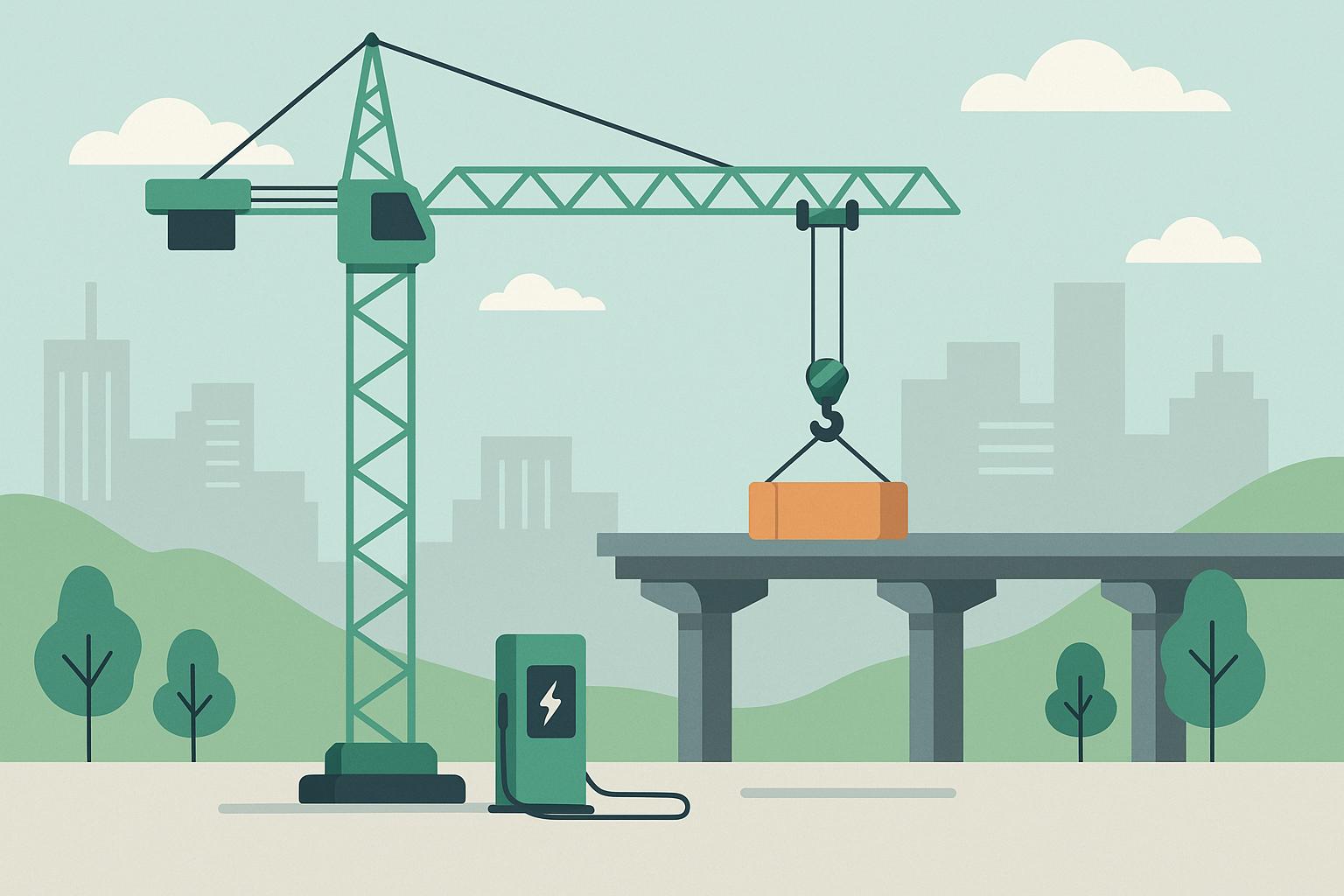
A critical factor influencing the widespread adoption of electric cranes is the presence of adequate infrastructure. Efficient integration of charging stations into construction sites is necessary to ensure a steady and reliable power supply. Investment in such facilities is imperative to overcoming logistical hurdles associated with deploying electric cranes on a large scale.
Additionally, the development of supporting infrastructure must prioritize the procurement and distribution of renewable energy, such as solar or wind power. This strategy optimizes the environmental benefits that electric cranes can offer, promoting a holistic approach to sustainable construction that considers both the machinery used and the broader energy supply chain.
Looking Ahead: The Future of Electric Cranes
The trajectory of electric crane technology is closely linked to advancements in energy storage and hybrid power systems. As battery technology continues to evolve, anticipate even greater efficiencies in energy usage and prolonged operational durations. Emerging hybrid models that blend electric power with alternative energy sources could serve as a bridge technology, easing the transition towards complete electrification across diverse crane types.
Integrating electric cranes into standard construction practices holds the promise of not only boosting operational efficiency but also playing a pivotal role in meeting global sustainability targets. By embracing eco-friendly technologies now, the industry is both reducing its environmental footprint and setting new benchmarks for construction efficiency and effectiveness.
In conclusion, electric cranes epitomize a forward-thinking approach to modern construction, aligning technological progress with sustainability. They signal a shift towards environmentally responsible industrial practices, underscoring a commitment to sustainable development and a reduced ecological impact. As electric crane technology continues to advance, it presents an opportunity to lead the charge in greening the construction sector, heralding a new era of environmentally conscious infrastructure development.