Pollution Control in the Port of Rotterdam
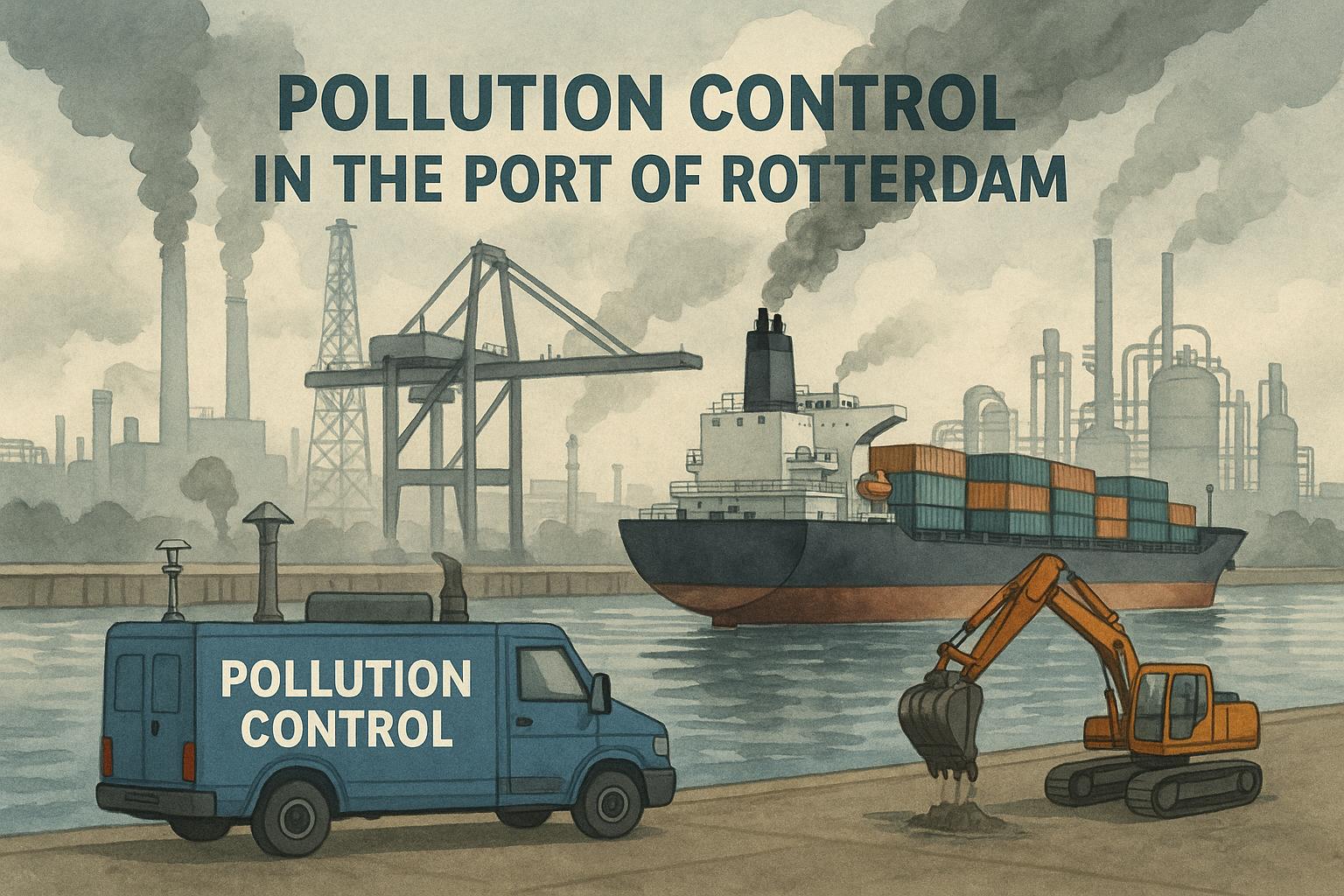
The effort to control pollution in the Port of Rotterdam is of paramount importance given its significant role as one of the largest and busiest ports in the world. As a major hub in global maritime trade, the port faces unique challenges in managing its environmental impact, necessitating the implementation of several strategies and technologies aimed at promoting sustainable operations. The following sections delve into these approaches, highlighting the various measures taken to effectively control pollution.
Emission Reduction Initiatives
A central focus in the pollution control efforts of the Port of Rotterdam is the reduction of emissions, particularly those of sulfur dioxide (SO2), nitrogen oxides (NOx), and particulate matter. The emission of these pollutants is a major concern for air quality both locally and on a broader scale, affecting not only the environment but also human health.
To address these issues, the port has been proactive in promoting the use of cleaner fuels among the vessels operating within its jurisdiction. Cleaner fuels such as low sulfur fuel oil, and emerging alternatives like LNG (liquefied natural gas), are encouraged. These fuels contribute to a significant reduction in harmful emissions. Additionally, increasing the fuel efficiency of vessels is another strategy to reduce the overall emissions produced by maritime activities. Port authorities support initiatives aimed at enhancing vessel design, engine efficiency, and operational practices to achieve these goals.
One of the innovative solutions the port has adopted is the implementation of shore power facilities, also known as cold ironing or alternative maritime power. These facilities allow ships to turn off their diesel-powered auxiliary engines and instead connect to the port’s local electric grid while docked. This practice results in significantly lower emissions, as it reduces the reliance on fossil fuels during a ship’s stay at the port.
Environmental Incentives
Apart from regulatory measures, the Port of Rotterdam offers environmental incentives to motivate shipping companies to adopt greener practices. A prominent tool in this effort is the Environmental Ship Index (ESI), which serves as a benchmarking system to evaluate and reward ships that have lower emissions compared to standard levels. Vessels that achieve specific environmental performance targets are rewarded with reduced port dues, creating financial incentives alongside the environmental benefits.
Such initiatives encourage shipping lines to invest in technologies and practices that are environmentally friendly. Over time, these incentives not only promote the adoption of efficient technologies but also foster a culture of sustainability within the maritime industry.
Waste Management and Water Quality
Effective waste management is a critical component of the port’s environmental strategy. The Port of Rotterdam has implemented systems that are well-equipped to tackle the waste generated both by port operations and visiting vessels. This includes the establishment of comprehensive reception facilities to collect ship-generated waste such as oil residues, chemicals, and sewage. Ships that fail to utilize these facilities may face stringent penalties, emphasizing the importance of compliance in maintaining the port’s environmental standards.
Furthermore, water quality management is a priority undertaken through regular monitoring of the port’s waters. This vigilance is essential to detect and address pollutants promptly, ensuring that the port’s marine environment remains healthy. To combat oil spills, which pose severe environmental hazards, technologies such as booms and skimmers are used effectively, minimizing the potential damage that such incidents could cause.
Ballast Water Management
A significant environmental concern associated with maritime activities is the transport of ballast water, which can introduce invasive aquatic species into new environments. These species often disrupt local ecosystems and may lead to severe ecological consequences. To combat this, the Port of Rotterdam adheres to international standards for ballast water management, mandating that vessels treat any ballast water before discharging it. This process reduces the risk of ecological disruption and protects the native marine environments of the port and its surrounding areas.
Noise and Light Pollution
Beyond air and water quality, controlling noise and light pollution is an integral aspect of the Port of Rotterdam’s broader environmental strategy. Noise pollution from port activities such as ship engine testing, loading, and unloading processes can be significant, affecting both the nearby communities and wildlife. To address this, the port has implemented measures that include establishing designated quiet zones and placing restrictions on specific activities during nighttime hours to reduce noise levels.
Light pollution is another concern, particularly because of its impact on local wildlife. The port implements policies to control light emissions, ensuring that lighting is directed and utilized in ways that minimize disruption to the surrounding environment. By doing so, the port helps to preserve the natural habits of local fauna and mitigate any adverse effects on human communities.
Collaborative Efforts
The success of pollution control in the Port of Rotterdam is partially attributed to the collaborative efforts with multiple stakeholders, including government agencies, research institutions, and environmental organizations. These partnerships enable the exchange of knowledge and best practices, fostering innovation and continuous improvement in pollution control measures. Engaging with stakeholders also allows the port to stay abreast of new technologies and regulatory developments, ensuring that its efforts are in alignment with global standards and expectations.
These collaborations have proven beneficial not only for the port itself but also for the wider maritime industry, as insights gained from these joint efforts are shared with other ports around the world, enhancing their capacity to manage environmental challenges effectively.
Conclusion
Through a comprehensive approach to pollution control, the Port of Rotterdam exemplifies a commitment to sustainability and environmental stewardship. The port actively engages in reducing emissions, improving waste management, and fostering collaborative efforts to address ecological challenges associated with its large-scale operations. By continuously innovating and implementing effective pollution control measures, the Port of Rotterdam sets a benchmark for other ports globally, demonstrating that economic activity and environmental responsibility can go hand in hand. This commitment not only ensures the port’s sustainability but also benefits the broader maritime community and the environment at large.