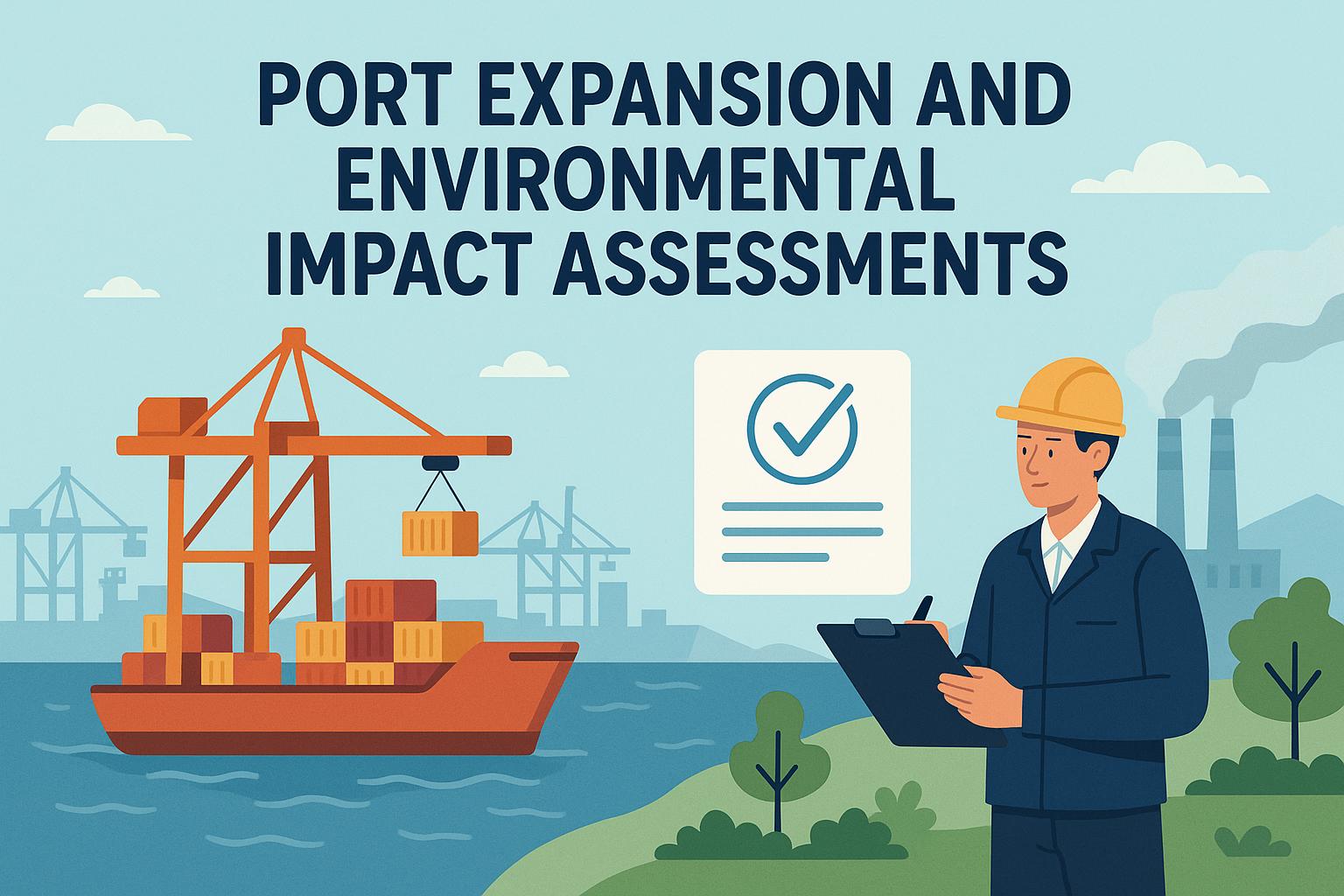
Understanding Port Expansion
Port expansion refers to the process of increasing a port’s capacity to accommodate more vessels, cargo, and associated activities. This development is often driven by the growing demands of global trade and the need to enhance the efficiency of transport logistics. Expansion can involve the construction of new docks, terminals, and storage facilities, as well as the dredging of waterways to allow for larger ships.
Importance of Ports in Global Trade
Ports serve as crucial hubs in international trade, facilitating the movement of goods between various regions of the world. They are essential for the import and export of raw materials and finished goods. Given the critical role ports play in the global supply chain, it is vital to ensure they are capable of handling increased trade volumes.
Ports not only handle the physical movement of goods but also serve as logistic centers for various transportation modes, including sea, rail, and road. This multiplicity of functions makes them indispensable in the seamless operation of the global supply chain. Their capacity to handle large volumes efficiently directly impacts the cost and speed of global trade. As trade volumes continue to grow due to globalization and economic development in many parts of the world, expanding ports becomes a necessity to avoid bottlenecks that could potentially disrupt these supply chains.
Components of Port Expansion
Port expansion projects usually encompass several components, including infrastructure development, technological advancements, and logistical enhancements. These projects aim to improve port efficiency, reduce congestion, and decrease turnaround times for ships.
Infrastructure development often requires building new terminals, improving access roads, enhancing rail connections, and expanding storage facilities such as warehouses and container yards. Technological advancements include the integration of more sophisticated IT systems for cargo tracking and management, installation of automated equipment for loading and unloading vessels, and the adoption of eco-friendly technologies to reduce carbon footprints. Logistical enhancements focus on improving connectivity, optimizing the flow of goods, and ensuring the seamless transition of cargo between transport modes. Collectively, these components contribute to modernizing port operations and enhancing their capacity to meet future challenges.
Environmental Impact Assessments (EIAs)
Environmental Impact Assessments (EIAs) are systematic processes used to evaluate the potential environmental consequences of proposed projects before they proceed. In the context of port expansion, EIAs are vital in identifying and mitigating adverse environmental impacts.
Key Elements of EIAs
EIAs typically involve a number of key elements. They assess the impact of port expansion on local ecosystems, evaluate the social implications for surrounding communities, and propose measures to minimize negative effects.
Assessment of local ecosystems includes a detailed study of existing flora and fauna, water quality, soil composition, and air quality. These factors are crucial for understanding how construction activities and increased port operations might alter the natural environment. Social implications require analyzing the effects of expansion on local communities, such as changes in livelihoods, increased traffic congestion, and the need for additional housing or services. Finally, proposed measures often focus on modifying project activities to lessen environmental footprints, enhancing community benefits, and ensuring compliance with regulatory requirements.
Biodiversity Concerns
One significant consideration in EIAs is the impact on biodiversity. Port expansion can lead to habitat destruction, water pollution, and disturbances to marine life. These effects must be studied thoroughly to ensure that adequate conservation efforts are in place.
Habitat destruction often stems from the need to clear land or alter natural landscapes to make space for new infrastructure. This can result in the displacement of native species and loss of biodiversity. Water pollution can occur from runoff containing construction debris and pollutants, which can degrade water quality and harm aquatic life. Disturbances to marine life may arise from increased ship traffic, leading to higher risks of vessel strikes or noise pollution that affects communication and navigation of marine animals. Effective biodiversity management strategies include creating protected areas, applying stricter pollution controls, and involving marine ecologists in the planning process.
Mitigation Strategies
Mitigation strategies are developed as part of the EIA process to address the environmental impacts identified. These strategies can include the creation of artificial habitats, implementation of pollution control measures, and strategies for minimizing noise and air emissions.
Artificial habitats might be created to compensate for lost natural spaces, such as man-made reefs or wetlands that provide homes for displaced species. Pollution control measures are essential for maintaining air and water quality standards, and may involve installing scrubbers on ships, using cleaner fuels, or setting up barriers to contain sediment during dredging. Noise and air emissions can be mitigated by employing quieter machinery, using electric or hybrid vehicles within the port, and scheduling activities to reduce peak noise levels. Additionally, regular monitoring and reporting can ensure adherence to mitigation plans and allow for timely adjustments.
Challenges and Considerations
While port expansion is essential for economic growth, it also presents several challenges. Balancing development with environmental protection requires comprehensive planning and stakeholder engagement.
Stakeholder Engagement
For a port expansion project to be successful, it is crucial to involve various stakeholders, including government agencies, local communities, environmental organizations, and industry representatives. Their input helps in creating a development plan that is sustainable and considers multiple perspectives.
Government agencies play a key role in regulatory approval, funding, and oversight. Local communities can offer insights into potential social impacts and community needs. Environmental organizations might provide expertise on conservation measures and sustainable practices. Industry representatives, including shipping companies and terminal operators, bring practical knowledge of logistics needs and operational considerations. Collaborating with these stakeholders can result in more holistic planning, where economic benefits are achieved without compromising social and environmental quality.
Regulatory Frameworks
Port expansion projects must comply with national and international regulations designed to protect the environment. These frameworks guide the assessment processes and ensure that development activities adhere to accepted environmental standards.
National regulations may include environmental protection laws, labor regulations, and urban development policies. International guidelines might involve conventions like the International Maritime Organization’s standards for ship emissions or the United Nations’ Sustainable Development Goals. Ensuring regulatory compliance is critical not only for legal adherence but also for gaining public trust and ensuring the project’s long-term sustainability. Regular audits, continued stakeholder dialogue, and adaptive management plans can all play roles in navigating these regulatory landscapes.
Conclusion
Port expansion is a multifaceted endeavor that is vital for accommodating the increasing demands of global trade. However, it necessitates careful consideration of environmental impacts through detailed Environmental Impact Assessments. By integrating both economic and environmental goals, port expansions can contribute to sustainable development while protecting ecological integrity. Ensuring a balance between the needs for economic development, environmental preservation, and social responsibility is crucial for the long-term success of these initiatives. As such, continuous improvement, innovative planning, and open dialogue with all stakeholders are essential components to navigate the complexities of port expansion.