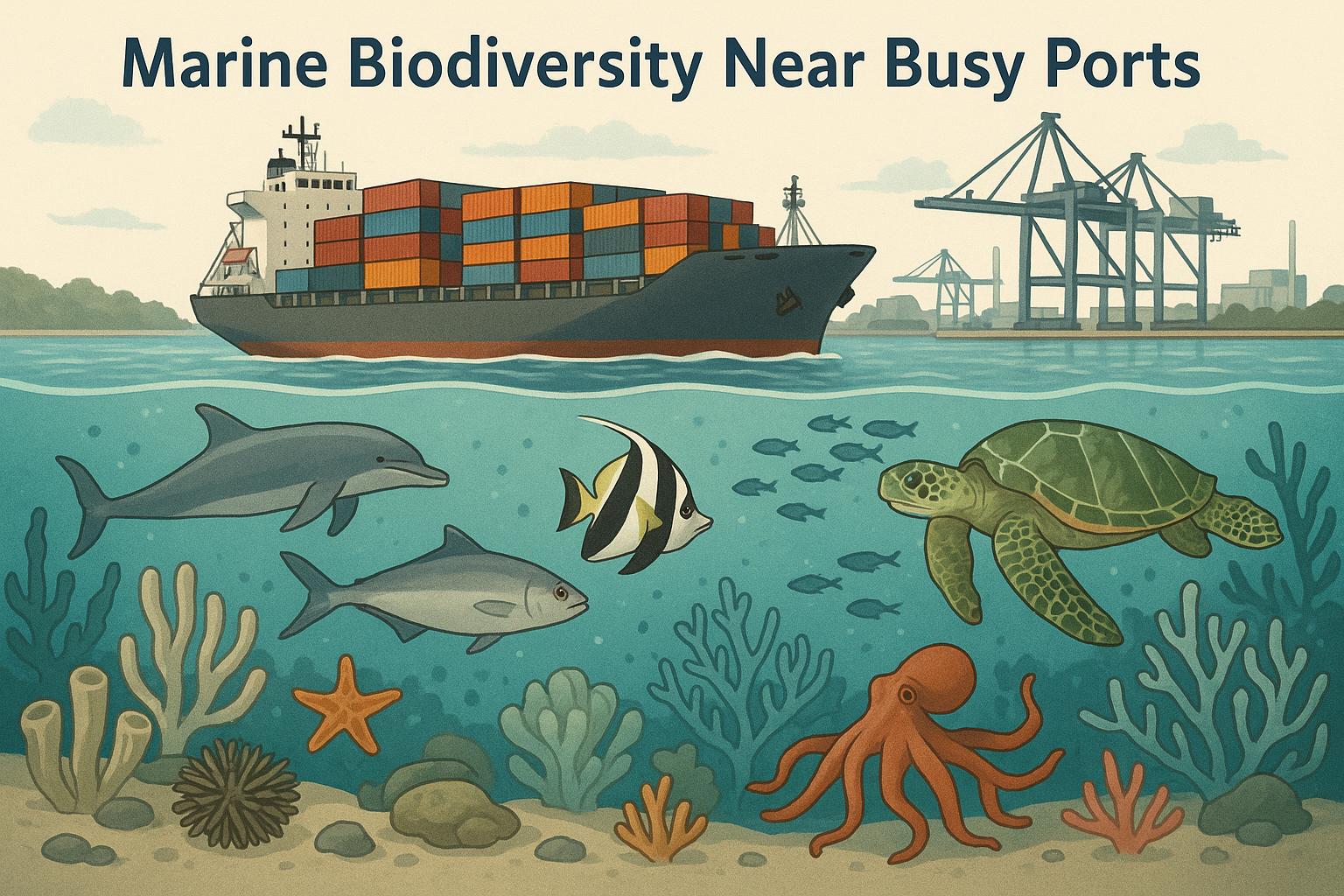
Introduction to Marine Biodiversity near Busy Ports
Marine biodiversity in areas surrounding busy ports is a subject of significant interest among scientists, environmentalists, and policymakers. These regions often present a juxtaposing scenario: they host diverse marine life forms while simultaneously being exposed to substantial anthropogenic pressures. Understanding the biodiversity in these areas is crucial for effective environmental management and sustainable development. This understanding can lead to more informed policies and practices that ensure both ecological and economic health in these vital regions.
Factors Influencing Marine Biodiversity
The extent and nature of marine biodiversity near busy ports are influenced by various interconnected factors. Chief among these is water quality, which plays a fundamental role in sustaining marine life. Water quality is often compromised by pollutants from industrial activities, shipping operations, and urban runoff. Pollutants can include substances like oil, chemicals, and metals that degrade water quality and pose risks to marine habitats.
Another critical aspect is nutrient levels within the water column. While nutrients such as nitrates and phosphates are necessary for the growth of marine organisms, their excessive presence can lead to phenomena such as algal blooms. These blooms consume large amounts of oxygen from the water, creating hypoxic or anoxic conditions that can be detrimental or even fatal to marine life.
The physical habitat structure in port areas is another influential factor. Ports are often replete with artificial structures, including piers, docks, and seawalls. These structures can serve as habitats for certain species, particularly those that specialize in living on hard substrates. However, they can simultaneously disrupt natural habitats like coral reefs and seagrass beds, which are essential for many species’ survival and reproduction. The alteration of these natural habitats can lead to biodiversity loss as species reliant on them may not adapt to artificial structures.
Impact of Shipping Activities
The impact of shipping activities on marine biodiversity is a critical area of concern. One of the primary issues is the discharge of ballast water by ships. This water, used to balance ships, is often taken from coastal waters in one region and discharged in another. Such practices introduce non-native species into new environments, potentially outcompeting, preying upon, or introducing diseases to indigenous species. This can lead to significant alterations in local ecosystems, sometimes irreversibly changing community structures.
Another consequence of shipping is underwater noise pollution. The sounds generated from engines, propellers, and hull movements can permeate through the water column, interfering with the communication, navigation, and reproductive behaviors of marine animals. Such disturbances can result in disoriented or stressed marine life, potentially impacting their survival and reproductive success.
Pollution and Its Consequences
Marine pollution remains a predominant issue in the proximity of port areas. Pollution originates from various sources including oil spills, chemical discharges, and plastic waste. The toxic nature of oil spills can severely harm marine life by coating animals, interfering with buoyancy and insulation, and contaminating food sources. Chemical discharges from industrial operations introduce harmful substances that can poison marine organisms, bioaccumulate in food webs, and cause long-term health effects on marine species.
Plastics, another pervasive pollutant, pose physical and chemical threats to marine life. Animals ingesting plastic may suffer from digestive blockages or internal injuries, while microplastics can carry toxic substances that accumulate in tissues over time. The overarching consequence of such pollution is a loss in biodiversity, as marine species are either killed or forced to relocate to avoid contaminated areas. Pollution often leads to the degradation of marine habitats, thereby diminishing the overall resilience of marine ecosystems.
Conservation and Management Strategies
To combat the pressure ports exert on marine biodiversity, various conservation and management strategies are being employed. Key among these is the regulation of shipping practices aimed at minimizing the environmental footprint of shipping activities. Reducing ballast water discharge through treatment systems and curbing noise pollution with quieter technologies or routes can significantly alleviate some of the harmful impacts on marine life.
Regulatory measures focusing on waste disposal and pollution control are also critical. Stricter regulations and enhanced enforcement can reduce the influx of pollutants into the marine environment, thereby preserving water quality and protecting marine species.
In tandem, the establishment of marine protected areas (MPAs) near ports offers a proactive approach in safeguarding vital habitats and species from anthropogenic pressures. MPAs can serve as refuges where human activities are restricted or managed to allow ecosystems to recover and thrive.
Moreover, conducting environmental impact assessments (EIAs) provides vital insights into the potential impacts of port development and operations on local ecosystems. Through these assessments, planners and managers can establish strategies that align economic and development goals with ecological considerations, ensuring a balanced approach that respects both human and environmental needs.
Conclusion
Marine biodiversity around busy ports represents a complex, multifaceted issue requiring an integrated approach to management and conservation. The challenges posed by shipping activities, pollution, and habitat modification necessitate conscientious strategies that seek harmony between economic activities and ecological preservation. Through collaborative efforts among stakeholders and the implementation of robust policies, it is possible to maintain and even enhance the health and diversity of marine life in heavily industrialized port areas. This balanced approach ensures that ports can continue to thrive economically while also serving as stewards of the rich biodiversity they inevitably interact with.