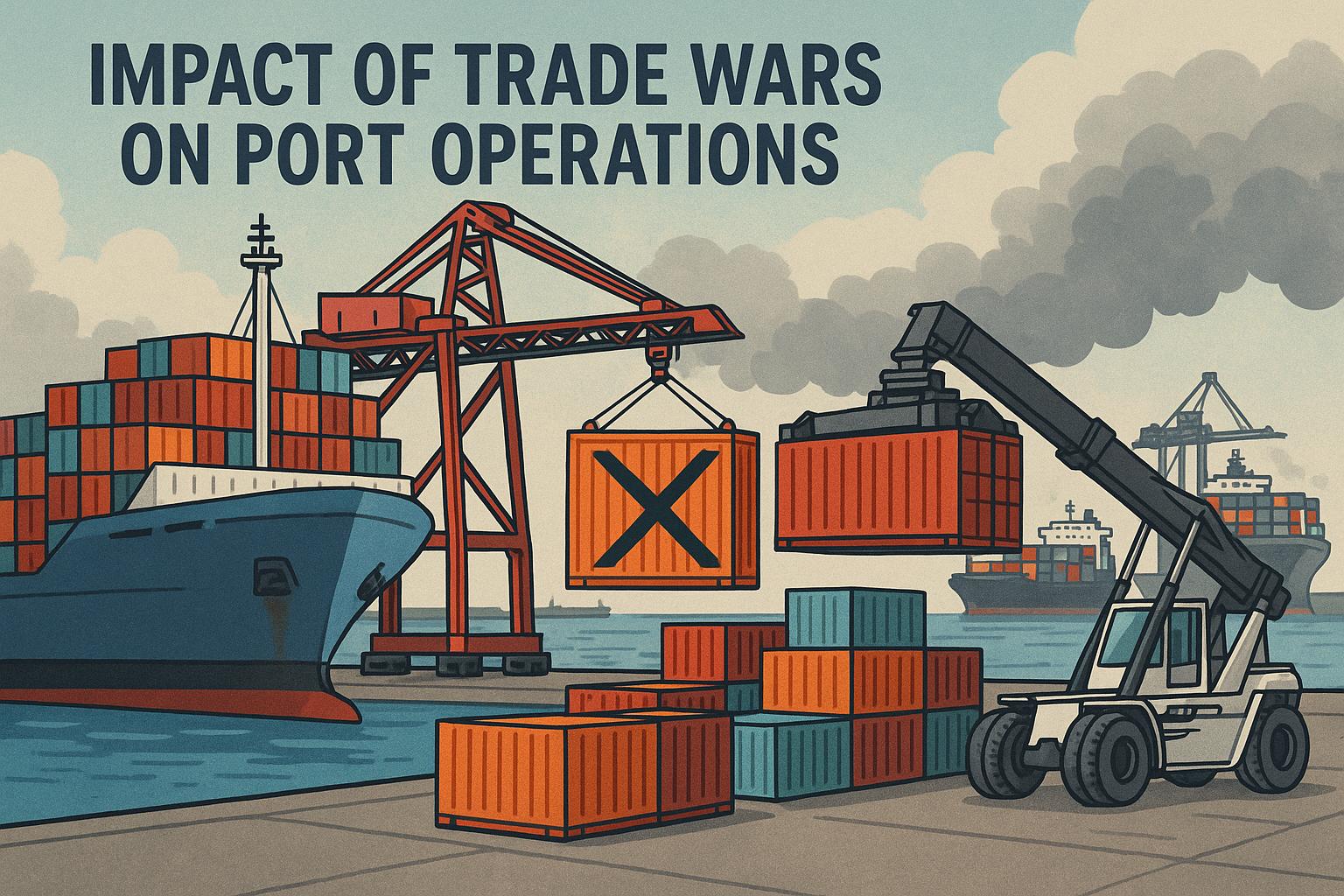
Understanding Trade Wars
Trade wars are a form of economic conflict that emerge when one or more countries implement tariffs or barriers on imports and exports, aiming to safeguard their domestic industries from foreign competition. These conflicts can ripple through the international economy, touching various sectors in some unexpected ways. A significant impact is observed in the operations of ports, which are vital nodes in the global supply chain. This article delves into the substantial effects trade wars have on ports and the consequential impacts on the global trade environment.
The Role of Ports in Global Trade
Ports stand as critical junctures in the framework of international trade. Acting as bridges connecting nation-states, they facilitate the seamless movement of goods across borders. On a typical day, copious amounts of cargo are transported through ports, underscoring their role as vital arteries of global commerce. The smooth operation of ports is pivotal in maintaining an even flow of trade goods, both inbound and outbound. As such, any disruptions stemming from trade policy alterations can have a ripple effect, compromising port operations and exerting pressure on global economic stability.
Impact on Cargo Volume
Trade wars typically result in diminished cargo volumes traversing ports. The imposition of tariffs and various trade barriers often leads to a decrease in the import and export of goods, resulting in fewer shipments and decreased movement of goods through ports. A noticeable reduction in cargo volume can catalyze a decline in port-generated revenue. Given that port operations are inherently reliant on the consistent flow of goods, such a decline poses a threat to their financial health, potentially hindering economic stability in the regions they support.
Operational Challenges
The complexity and unpredictability brought about by trade wars can introduce a range of operational hurdles for port authorities, shipping companies, and broader logistics networks. The uncertain nature of tariff imposition complicates forward planning, paving the way for delays and inflated operational costs. Furthermore, as trade partners seek to circumvent high tariffs, cargo routes may be altered, which can lead to congestion issues at ports not accustomed to handling increased volumes, thereby straining logistical operations and leading to a bottleneck effect.
Infrastructure Investments
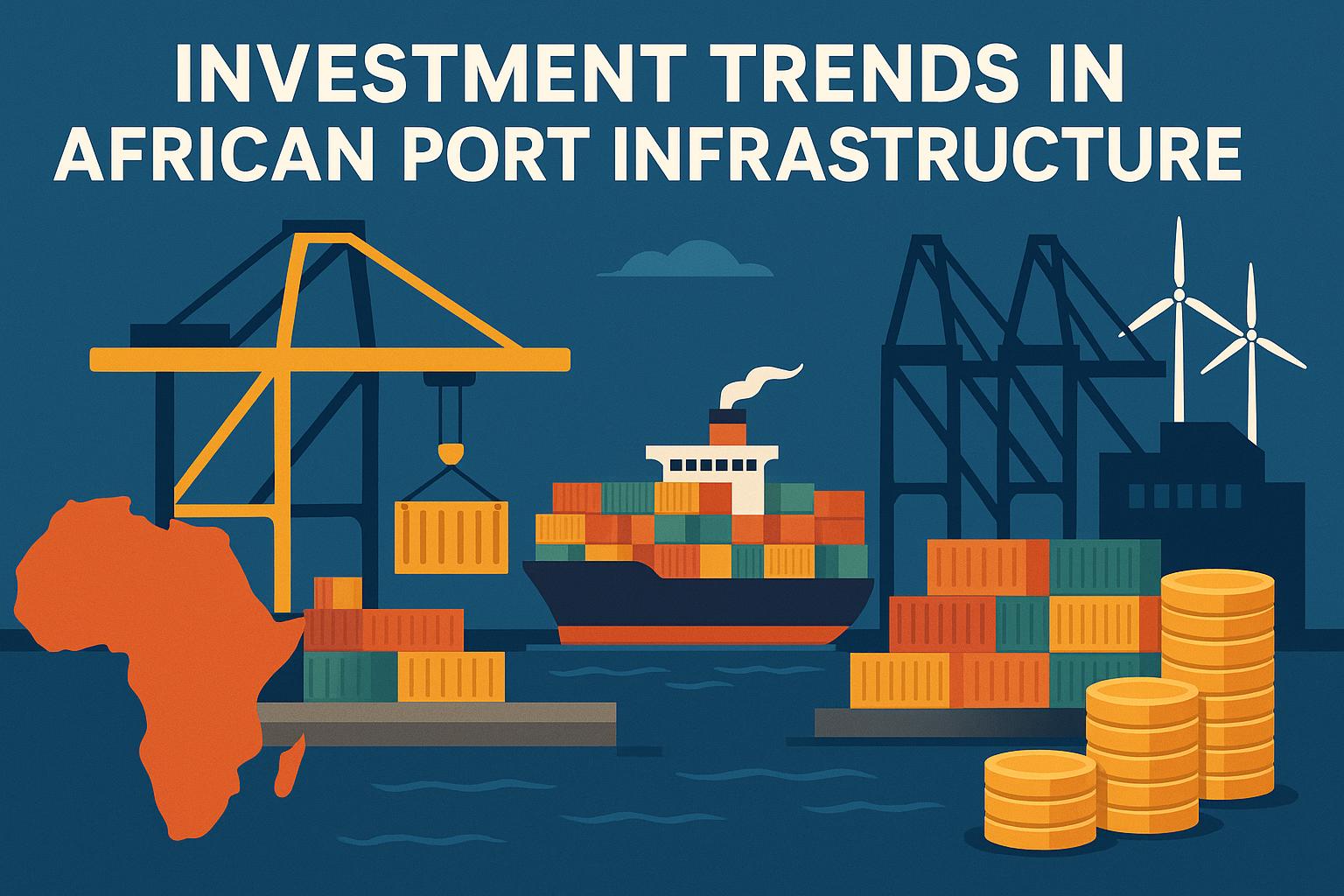
Persisting trade disputes are likely to impact decisions regarding investments in port infrastructures. Port authorities may exhibit caution, hesitating to embark on significant infrastructure expansions or upgrades due to the looming uncertainty surrounding future trade volumes. On the other hand, some ports might capitalize on this period by investing in technological advancements and automation to bolster efficiency while aiming to cut down operational costs in response to potentially unstable trade conditions.
Global Supply Chain Disruptions
Trade wars have the potential to disrupt the global supply chain significantly. As tariffs are imposed, businesses engaged in international trade often need to re-evaluate their supply routes, sometimes opting to seek new suppliers or alternative logistical paths. This reshuffling, compelled by trade disputes, can precipitate delays, inflate operational costs, and undermine the efficiency of port operations. Ports find themselves at the heart of these supply chain recalibrations, directly influencing their operation dynamics.
Long-Term Strategic Shifts
In response to enduring trade conflicts, some port authorities might reassess their long-term strategies, with a focus on risk mitigation through diversification of trading partners or the expansion of their service offerings. Ports positioned in locations with a heavy reliance on a limited circle of trading partners may endeavor to forge alliances with new markets, thereby preparing the ground for transformative shifts in global trade routes adhering to new strategies. Such adjustments would not only serve as a buffer against future trade volatilities but could also reshape traditional trade patterns and alliances.
Conclusion
The influence of trade wars on port operations is both deep and intricately layered. While the immediate repercussions are often observed in the form of reduced cargo volumes and operational difficulties, the longer-term consequences entail significant shifts in port strategies and infrastructure development. These modifications hold the potential to reshape the global trade landscape fundamentally. For stakeholders vested in international trade and economic progression, gaining insight into these dynamics is vital in navigating the complexities introduced by geopolitical tensions. Recognizing these effects will better equip businesses and authorities alike in crafting informed strategies to thrive amidst an evolving trade ecosystem.