Overview of Automobile Handling at the Port of Bremerhaven
The Port of Bremerhaven, located in Germany, is one of the leading points for automobile logistics globally. Due to its strategic location, it serves as a critical hub for the import and export of vehicles. The port’s infrastructure and logistics capabilities are tailored to accommodate the substantial volumes of automobiles it handles daily.
Infrastructure and Facilities
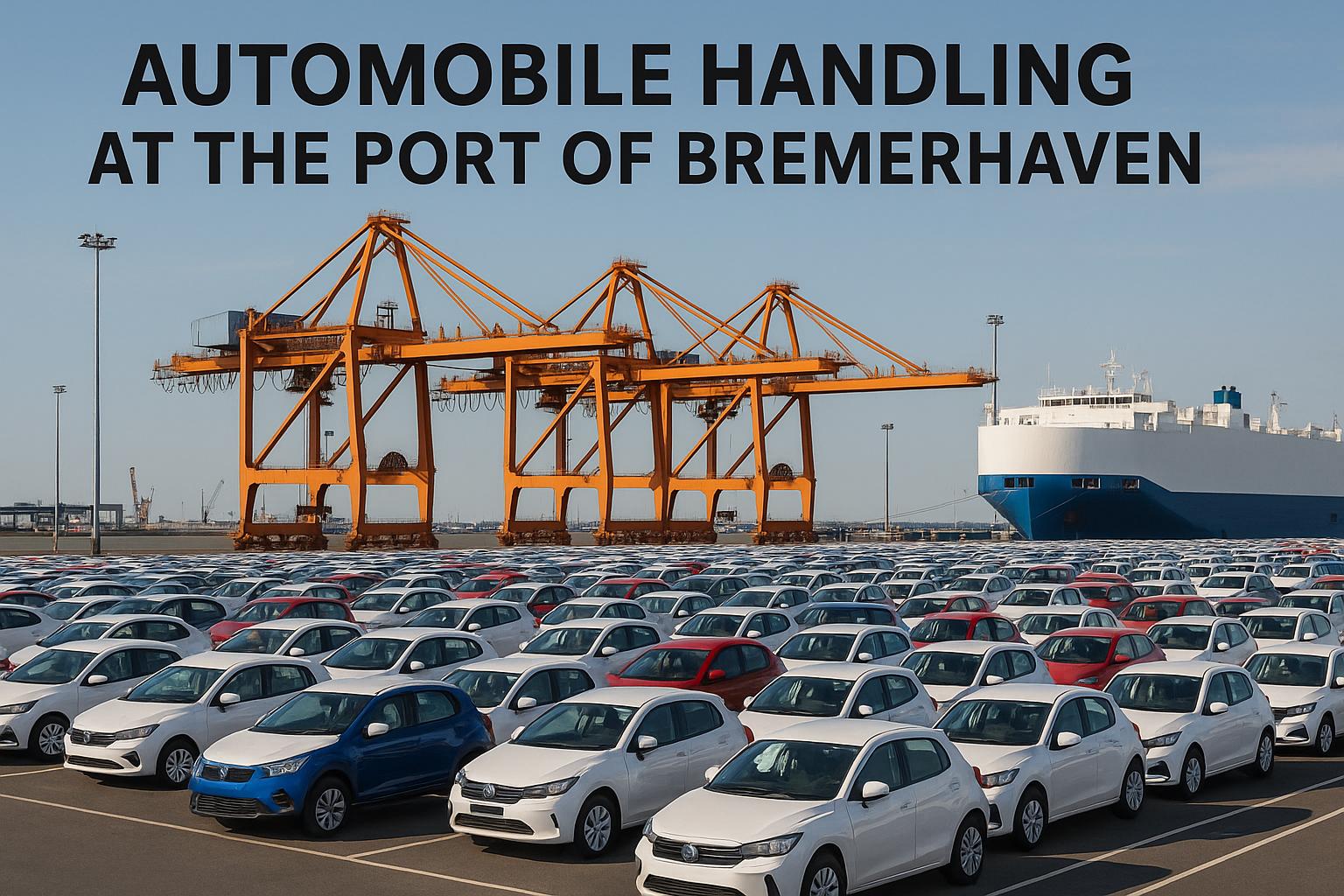
Bremerhaven’s port boasts state-of-the-art facilities designed for efficient automobile handling and storage. Numerous berths are available for Roll-on/Roll-off (RoRo) ships, which are essential for the transportation of vehicles. The port’s extensive storage areas can accommodate tens of thousands of vehicles, ensuring seamless transitions from ship to shore and vice versa.
The expansive area dedicated to vehicle storage includes specialized areas where each vehicle type is organized systematically. The designated zones allow for quick access and retrieval of vehicles, which is crucial in maintaining the smooth operation of port activities. The port’s capacity to manage high-volume traffic is complemented by the existence of large parking decks and secure storage spaces to protect vehicles from environmental elements.
Advanced Technology
Technological advancements play a significant role in the efficiency of automobile handling at Bremerhaven. The use of digital tracking systems enhances the monitoring of vehicle movement and storage. Additionally, automated systems aid in the precise placement and retrieval of vehicles, minimizing the need for manual intervention.
The integration of IoT (Internet of Things) technology allows for real-time tracking of vehicles from the moment they are unloaded from the RoRo ships until they leave the port premises. This tech innovation assists in ensuring that handlers and logistic providers have updated information about vehicle status, location, and condition. Automation in vehicle placement within the storage areas optimizes space utilization and reduces human error, making operations more efficient.
Logistical Efficiency
The effectiveness of automobile handling at Bremerhaven is further enhanced by its logistics operations. An extensive network of rail and road connections facilitates the swift distribution of vehicles across Europe. The synchronization of various logistical elements ensures that vehicles reach their destinations promptly and in excellent condition.
Logistical efficiency at Bremerhaven is also supported by a highly trained workforce. The staff are adept at operating cutting-edge equipment, maneuvering within the port’s complex environments with precision. Furthermore, the coordination between logistics companies, port authorities, and shipping lines is streamlined, fostering an environment where efficiency is paramount. This synchronization is crucial in maintaining short turnaround times and in ensuring that the entire supply chain operates smoothly.
Environmental Considerations
As environmental concerns rise globally, the Port of Bremerhaven has adopted several eco-friendly practices. Emphasis is placed on reducing emissions from port operations, such as utilizing cleaner energy sources and enhancing fuel efficiency in transportation. These efforts align with global sustainability goals and bolster the port’s reputation as a responsible logistical partner.
Additionally, the port has implemented measures to reduce its carbon footprint, such as adopting shore-to-ship power systems that allow ships to use electricity from the local grid while docked, rather than relying on their auxiliary engines. Furthermore, Bremerhaven is proactively engaging in projects aimed at improving waste management and water conservation, reflecting its commitment to sustainable operation practices.
Future Developments
Plans for future developments at Bremerhaven focus on strengthening its position as a leading automobile port. Investments in expanding storage capacity and upgrading technological infrastructure are continuously pursued. These initiatives aim to accommodate the growing demand for automobile transport and adapt to emerging industry trends.
Future developments like embracing automation and AI-driven systems not only cater to the present demands but also prepare the port for future challenges. By equipping itself with advanced digital solutions and machinery, Bremerhaven is positioning itself to seamlessly handle increased vehicle throughput and more complex logistical operations. These proactive measures are essential in maintaining its competitive edge in the dynamic landscape of global shipping and logistics.
Challenges and Solutions
While Bremerhaven remains a key player in automobile logistics, it faces challenges, such as fluctuating demand and regulatory changes. To address these, the port leverages strategic planning and continuous investment in innovation. Collaborative efforts with industry stakeholders ensure that the port remains resilient and adaptable.
Adapting to regulatory changes involves implementing systems that improve compliance, such as advanced data management platforms that track and report on port activities. Moreover, strategic alliances with automotive manufacturers and logistic firms enable Bremerhaven to predict market fluctuations more accurately, allowing it to fine-tune operational strategies accordingly. This collaboration extends to research and development initiatives focused on enhancing operational efficiencies while navigating industry disruptions.
Conclusion
In conclusion, the Port of Bremerhaven is a pivotal entity in the global automotive supply chain. Its comprehensive facilities, advanced technological use, and commitment to sustainability position it as a leader in the field. As the industry evolves, Bremerhaven’s ongoing developments will ensure it meets the complex demands of automobile handling effectively.
Through its unwavering commitment to technological innovation and sustainable practices, the port not only increases its operational efficacy but also builds on its legacy as a forward-thinking logistics hub. With continuous advancements and strategic partnerships, Bremerhaven is well-prepared to confront the challenges and opportunities that lie ahead, solidifying its status in the global market as a model for modern port operations.