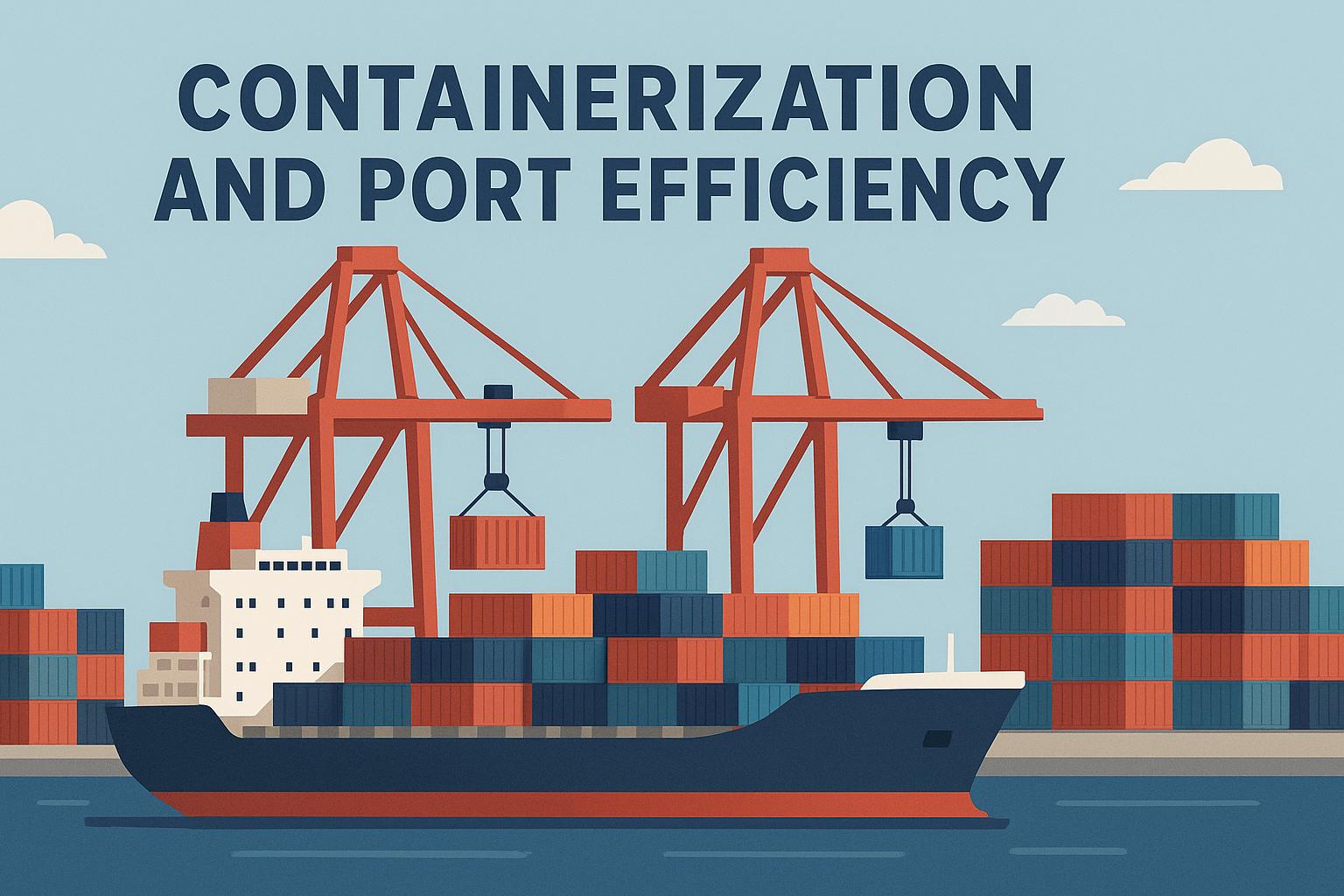
Introduction to Containerization
Containerization has revolutionized the shipping industry by enhancing the efficiency and reliability of shipping processes. By enabling goods to be packed into standardized containers, this method minimizes handling, reduces the risk of damage during transit, and simplifies the logistics of transporting goods across different modes of transport, such as ships, trains, and trucks.
The Evolution of Containerization
Initially developed in the 1950s, containerization has steadily evolved to become the backbone of global trade. With standardized dimensions, containers facilitate seamless transfers between sea, rail, and road without the need to unload and reload cargo along the way. This standardization promotes faster shipment times and reduces costs, thereby representing a significant advancement in the maritime industry.
The early days of containerization were marked by resistance and skepticism as traditional methods dominated. Ship owners and transport companies were hesitant to invest in new systems and infrastructure that containerization required. However, as the benefits became apparent, such as reduced shipping times and decreased labor costs, the adoption began to spread widely. The compelling aspect of containerization was the ability to ensure goods arrived intact and on time, setting new standards in shipping reliability.
Impact on Port Efficiency
Containerization necessitates efficient port operations to achieve its full potential. Ports around the world have adapted by incorporating advanced technologies and systems to streamline container handling processes. Efficient port operations are characterized by the rapid turnaround of ships, effective storage systems, and minimized transit bottlenecks.
With the establishment of containerization, ports had to undergo substantial transformations concerning their layouts, equipment, and operations. Traditional ports were inadequately equipped to handle containers; thus came the necessity for modern container terminals. Equipment such as gantry cranes and straddle carriers was essential to move containers efficiently. Ports also developed specialized areas for container storage, ensuring containerized cargo could be managed effectively.
Technological Advancements in Ports
In recent years, technological innovations have significantly boosted port efficiency. Ports now utilize automated guided vehicles (AGVs), robotic cranes, and computer systems for precise tracking and management of containers. These technologies enable higher throughput rates and reduce dependency on manual labor, ultimately leading to improved operational efficiency.
Advancements such as the Internet of Things (IoT) and blockchain technology have been integrated into port operations, providing increased visibility and security over the supply chain. IoT enhances real-time tracking capabilities, allowing stakeholders to monitor the whereabouts and condition of containers. Blockchain, on the other hand, ensures transparency and traceability, reducing the risks of fraud and ensuring all parties have access to trustworthy data about the shipped goods.
Environmental and Economic Benefits
The combination of containerization and improved port efficiency offers both environmental and economic advantages. By allowing goods to be transported in bulk with reduced handling, there is a decreased carbon footprint and lower energy consumption. Economically, the efficiencies provided by these systems lead to cost savings that can be passed down through the supply chain, benefiting businesses and consumers alike.
From an environmental perspective, the ability to move large quantities of goods in a single trip reduces the frequency of voyages, resulting in less fuel consumption and fewer emissions. Additionally, containers better utilize storage space, maximizing the capacity of transport vessels. The economic savings are realized through reduced operational costs, optimized shipping schedules, and the minimization of cargo loss or damage.
Challenges and Future Prospects
Despite its many benefits, the process is not without challenges. Ports must continually invest in infrastructure and technology to maintain efficiency and stay competitive. Additionally, there is a need for skilled personnel to manage technologically advanced systems. Looking ahead, ongoing investments and developments in smart technology and sustainable practices will shape the future of containerization and port efficiency, promising continued enhancements in global trade logistics.
The need for robust cybersecurity measures is growing, as digital systems are more susceptible to cyber-attacks, which can disrupt port operations and compromise data integrity. The sector also faces regulatory challenges as environmental laws tighten in response to climate change concerns. As such, ports and shipping companies must strive for greener technologies and practices to comply with international standards.
Future prospects in containerization include the increased use of automated and remote-controlled equipment, further reducing human error and improving safety. Smart ports, utilizing artificial intelligence for decision-making processes, also represent the next step in the evolution of port operations, facilitating swift and efficient movement of containers through complex logistics channels.
Conclusion
In summary, containerization has had a profound impact on global trade by enhancing the efficiency of shipping operations. Paired with advanced port operations, this method has set new standards in the transportation and logistics sector, delivering substantial economic and environmental benefits while paving the way for future growth and development.
Through ongoing innovation and adaptation, containerization is expected to continue transforming how goods are transported worldwide, aligning with technological advancements and growing demands for sustainability. The shipping industry must continue to embrace these changes to maintain the momentum of progress currently shaping the future of global trade logistics.