Introduction to Logistics Clusters
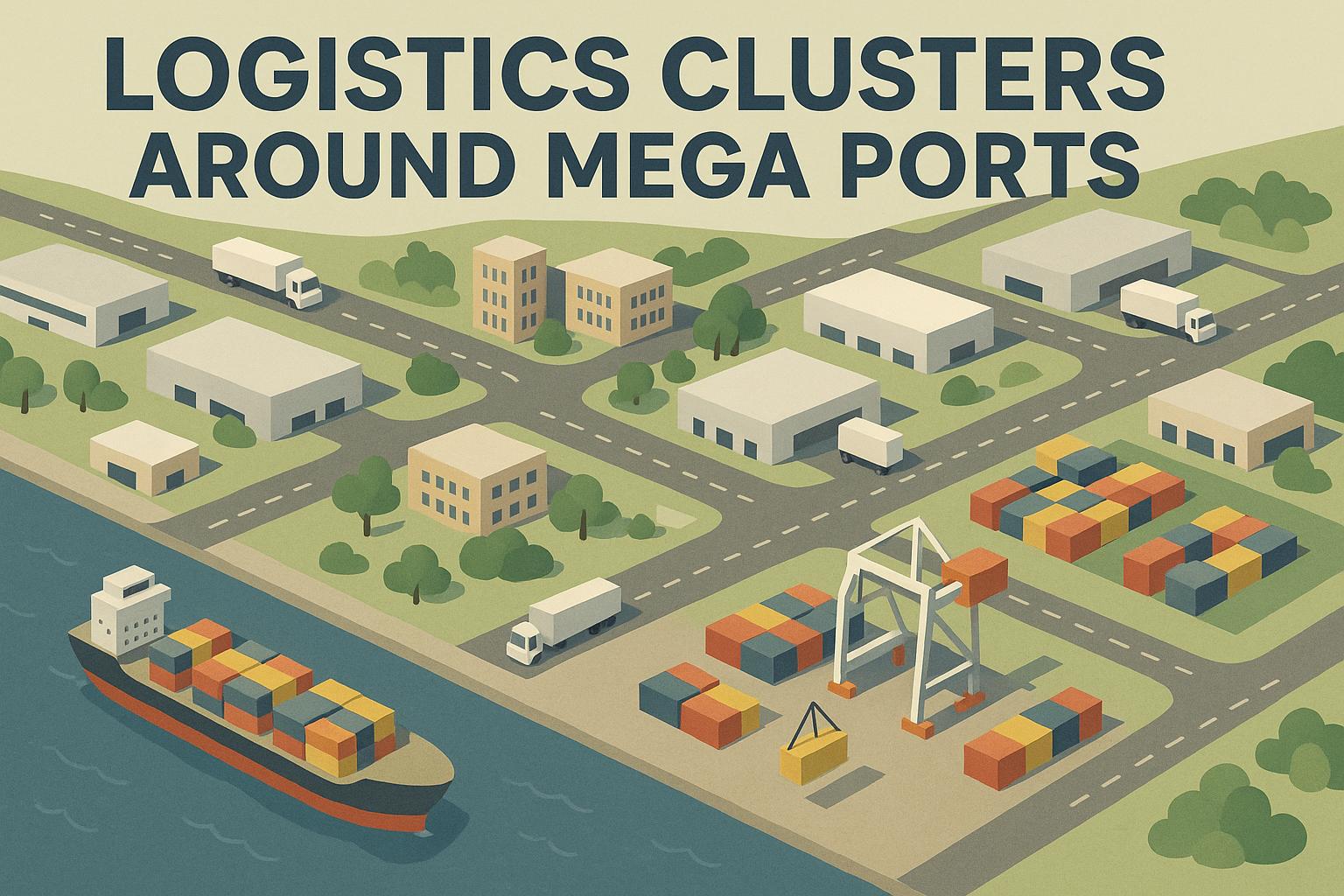
In the realm of global shipping and transportation, logistics clusters have emerged as pivotal components that foster economic growth and efficiency. These clusters are strategically situated around mega ports, facilitating extensive networks of activities related to the transportation, distribution, and storage of goods. The strategic location and infrastructure capabilities of mega ports naturally lend themselves to the development of these clusters, turning them into bustling hubs of economic activity.
Defining Logistics Clusters
Logistics clusters can be defined as geographically concentrated sets of interconnected companies and institutions involved in the transportation, logistics, and distribution sectors. These clusters typically include freight forwarders, transportation carriers, warehousing operators, and manufacturers, providing a synergistic environment where ideas and services are exchanged effectively. The main aim of these clusters is to enhance efficiency, reduce costs, and improve the overall logistics process by clustering related economic activities in one geographical area.
Role of Mega Ports
Mega ports, due to their size and capacity, are naturally positioned as anchors for logistics clusters. A mega port’s ability to handle large volumes of cargo efficiently attracts logistics services providers and related businesses that benefit from the economies of scale. The constant flow of goods through these ports necessitates supporting infrastructure and services, fostering the growth of logistics clusters in surrounding areas. Furthermore, these ports serve as critical junctures for global trade, directly influencing the flow of goods between different countries and continents.
Economic Impact
The presence of logistics clusters around mega ports significantly affects regional and even national economies. These clusters boost employment by offering numerous jobs in transportation, warehousing, and administrative sectors. Additionally, they serve as catalysts for the development of infrastructures, such as roads and railways, which are essential for efficiently moving goods in and out of these clusters. The economic impact of logistics clusters extends to local communities as they stimulate business activities and create various employment opportunities, thereby contributing to the overall economic prosperity and development of regions and nations.
Innovation and Competitiveness
Logistics clusters foster an environment ripe for innovation. Collaboration among various stakeholders within these clusters often leads to the development of new technologies and practices that improve efficiency and sustainability. By integrating cutting-edge solutions, logistics clusters enhance their competitiveness in the global marketplace, attracting further investment. These clusters become attraction points for global companies looking to leverage innovative logistics practices to gain a competitive edge and meet the demands of the modern economy.
Challenges Facing Logistics Clusters
While logistics clusters provide numerous benefits, they also face several challenges. The immense scale and complexity of operations require constant updates in infrastructure and technology. Infrastructure obsolescence, congestion, and inefficiencies can hinder the optimal functioning of these clusters. Therefore, continuous investment in technology upgrades, infrastructure enhancements, and process improvements is vital.
Additionally, environmental concerns, such as emissions and pollution from increased transportation activities, must be addressed. The rise of logistics clusters leads to heightened environmental impacts, necessitating the implementation of green logistics practices that reduce emissions and promote sustainability. Policymakers and stakeholders must work collaboratively to mitigate these issues to ensure sustainable growth. This requires aligning cluster development with sustainable practices and policies aimed at reducing their carbon footprint.
Future Outlook
As global trade continues to expand, the significance of logistics clusters around mega ports is expected to grow. Investments in modern technology and infrastructure upgrades are essential to maintaining their relevance and efficiency. The adoption of technologies like automation, artificial intelligence, and the Internet of Things (IoT) can streamline operations and further enhance the efficiency of these clusters. In addition, exploring sustainable practices and solutions will play a crucial role in the future development of these clusters.
The future of logistics clusters also hinges on adapting to market changes, embracing digital transformation, and investing in manpower training to cope with evolving demands. Building resilience in logistical operations against potential disruptions and market volatility will also be a key focus.
In conclusion, logistics clusters around mega ports are vital to the global economy, serving as crucial nodes in the transport and distribution of goods. Their strategic importance is unlikely to wane, but ongoing efforts to address challenges will determine their future prosperity. With thoughtful planning and execution of innovative solutions, these clusters have the potential to continue fueling economic growth and remain indispensable components within the global logistics landscape.