Introduction to Quarantine and Biosecurity in Major Ports
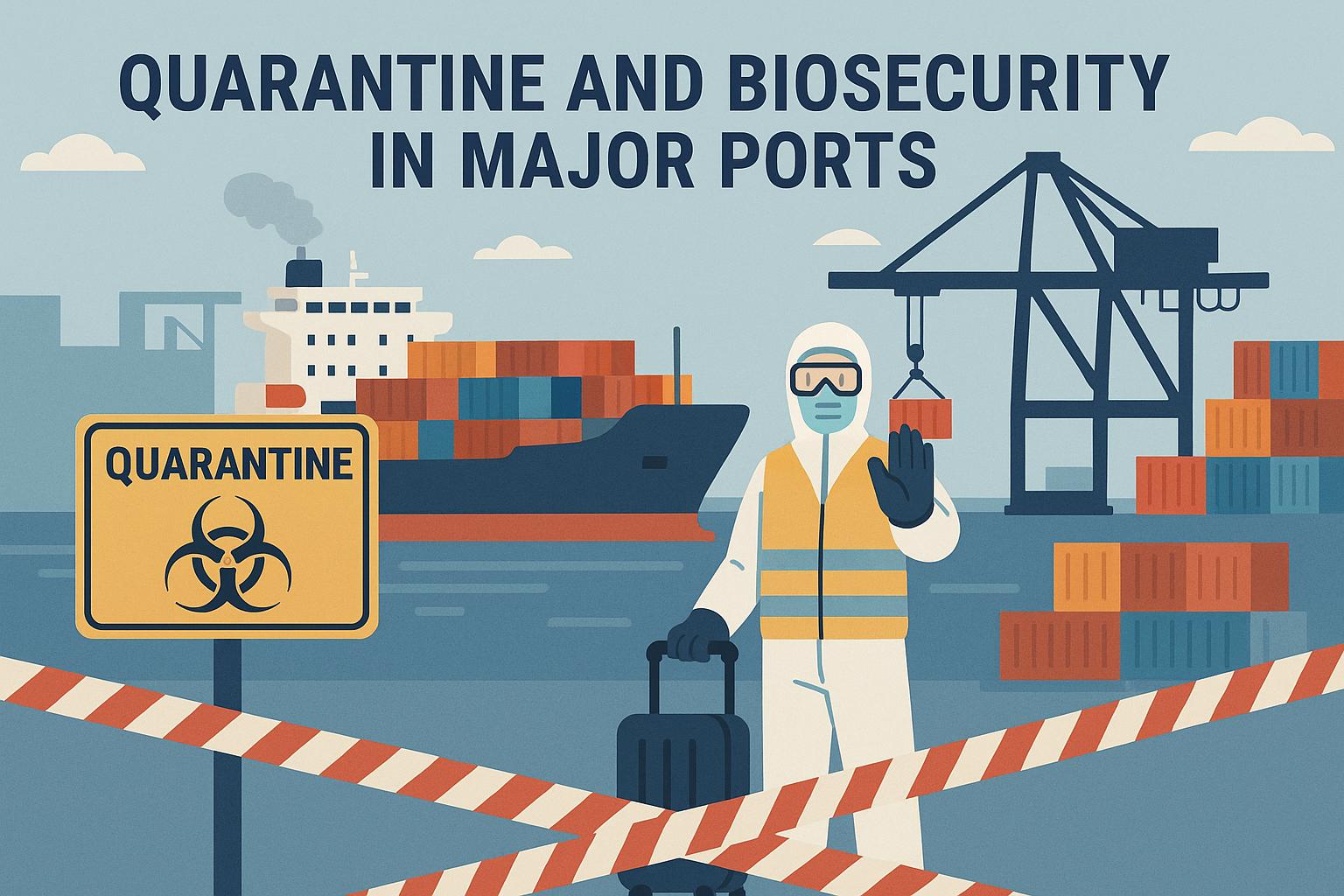
Ports serve as crucial hubs for international trade, acting as key points for the entry and exit of goods and individuals. This pivotal role necessitates stringent quarantine and biosecurity protocols to manage and mitigate biosecurity risks. These measures are implemented to protect countries from harmful pests and diseases that can accompany vessels, cargo, and travelers.
Historical Context of Quarantine in Ports
The concept of quarantine dates back to the 14th century when ships suspected of carrying the Black Death were isolated for 40 days prior to disembarking. This practice, known as quarantine, originated from the Italian term “quaranta giorni,” meaning 40 days. The purpose was to prevent the spread of the plague, demonstrating an early understanding of how infectious diseases could be managed by limiting exposure between infected and non-infected populations.
With the evolution of international trade, the methodologies have become more sophisticated, integrating modern technology to enhance monitoring and enforcement efforts. Globalization has increased the movement of goods and people, necessitating more advanced techniques to address a wider range of potential threats. Countries have realized the importance of securing national borders not just physically but biologically, leading to the development of comprehensive international guidelines and partnerships focused on biosecurity.
Modern Quarantine Measures
In contemporary times, quarantine protocols at major ports involve a combination of physical inspections, documentation checks, and advanced screening technologies. These have been further refined to address specific regional threats and comply with international biosecurity frameworks.
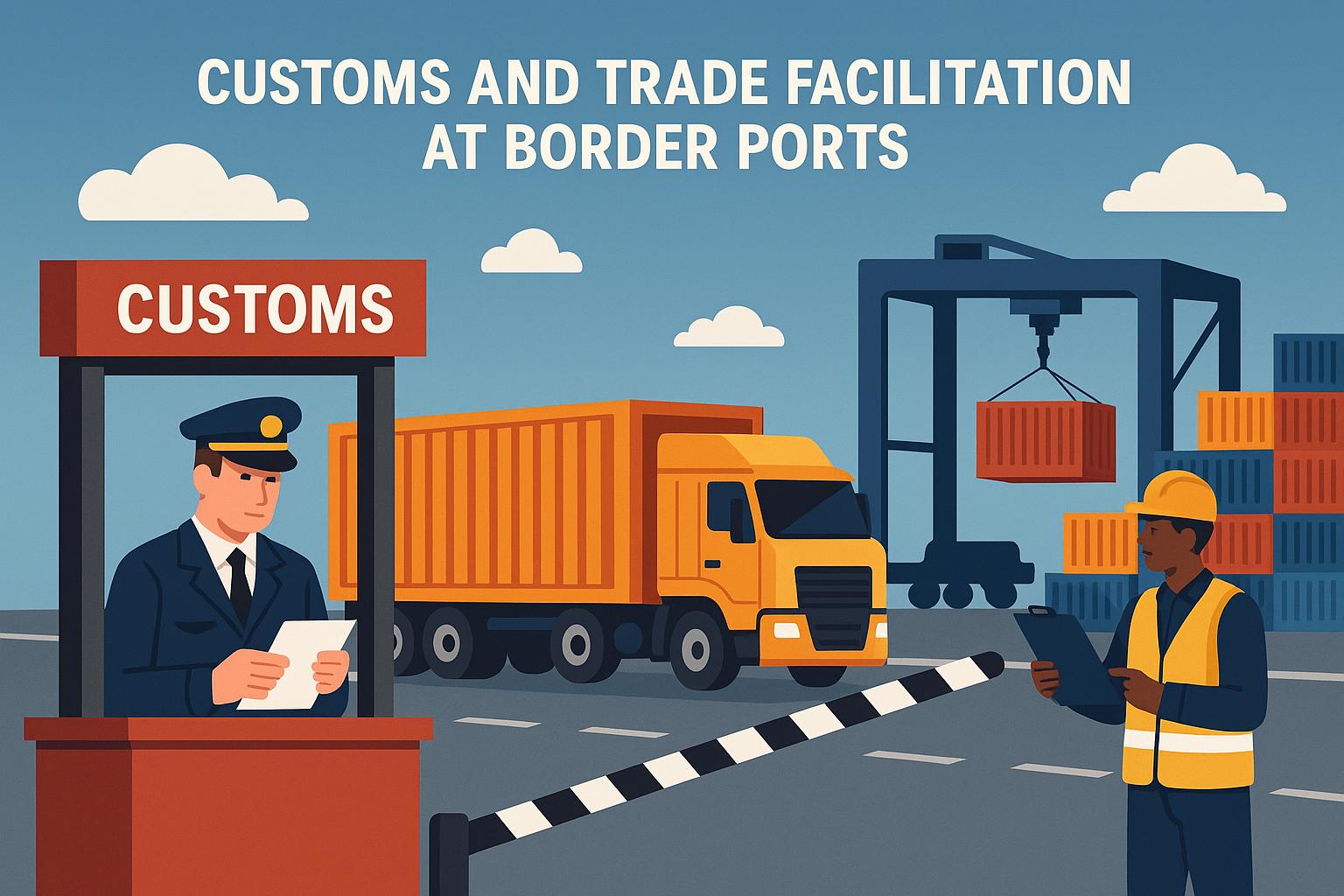
Physical Inspections are one of the primary methods employed at ports. Customs and biosecurity officers are trained to examine goods upon arrival, assessing them for signs of contamination or pest presence. This hands-on approach, combined with dogs trained to sniff out specific scents, helps in identifying potential threats quickly.
Documentation Checks serve a crucial role in confirming the legitimacy and safety of goods being imported. This involves a detailed assessment ensuring that all necessary certificates, such as phytosanitary certificates for plant products, are in order. These documents indicate that the goods have been inspected and meet the exporting country’s standards, thus reducing potential risks upon arrival.
Advanced screening technologies, such as x-ray scanners and bio-detection systems, are utilized to detect concealed pests and pathogens that might not be visible during initial inspections. X-ray scanners provide detailed images of container contents, while bio-detection systems can identify biological markers of diseases or infestations, adding an extra layer of safety.
Biosecurity Threats and Their Impact
Biosecurity threats at ports come in various forms, including invasive pests, plant and animal diseases, and contaminants in goods. The impact of these threats can be significant, leading to economic losses, environmental damage, and threats to human health.
The introduction of an invasive species can disrupt local ecosystems, outcompeting native species and leading to unpredictable ecological consequences. Likewise, diseases transmitted via imported animals or plants can have devastating effects on local agriculture or livestock sectors, resulting in substantial economic losses.
The social implications also include potential health risks to humans, as some pathogens carried by imported goods can affect public health. Effective measures employed in ports are designed to intercept these threats before they can become established or spread, underscoring the importance of stringent quarantine protocols.
Case Studies of Effective Quarantine and Biosecurity Measures
Some major ports stand out for their effective quarantine and biosecurity measures. For instance, Australia, known for its strict biosecurity laws, utilizes a comprehensive risk assessment protocol, supported by cutting-edge technologies at its ports, to maintain its biosafety footprint.
Australia’s biosecurity framework involves a collaborative approach between federal and state governments, industry, and the community. This collaborative effort is evident in their initiatives such as the Biosecurity Act, which provides a legal framework for managing risks to human, plant, and animal health, and the environment. Advanced surveillance systems and rapid response strategies are key aspects of Australia’s biosecurity strategy, ensuring they can swiftly act to intercept and eliminate threats.
Singapore’s port, as another example, integrates extensive digital tracking systems, enabling real-time monitoring of goods and vessels, significantly reducing the time needed for traditional inspections while maintaining a high-security standard. By implementing blockchain technology, Singapore ensures transparency and accountability in its supply chains, enhancing the overall efficiency and security of its biosecurity measures.
Challenges in Implementing Quarantine Measures
Despite the advancements in quarantine and biosecurity strategies, several challenges remain. These include balancing efficient trade with stringent security measures, managing burgeoning trade volumes, and ensuring compliance from international stakeholders. The increasing complexity and volume of global trade make it difficult to monitor each transaction meticulously.
Additionally, evolving global issues such as climate change and geopolitical shifts complicate biosecurity risk management. Climate change can alter the distribution and prevalence of pests and diseases, creating new challenges for biosecurity systems. Geopolitical shifts may influence international collaborations and the sharing of information crucial for effective biosecurity management.
Achieving cooperation among diverse stakeholders across different nations presents further challenges. It requires harmonized regulations, transparent communication, and mutual trust, which can sometimes be hard to achieve due to varying national interests and priorities.
Conclusion
The efficacy of quarantine and biosecurity measures at major ports is crucial for protecting nations from the economic and environmental repercussions of invasive species and diseases. While these measures have evolved significantly over the centuries, ongoing adaptation and technological innovation are necessary to address emerging challenges. As global trade continues to expand, countries must strive to enhance their biosecurity frameworks, ensuring sustainable and safe trade practices.
Emerging technologies and collaborative international efforts will play pivotal roles in achieving these goals. By integrating technological advancements, fostering international cooperation, and adapting to new biosecurity challenges, major ports can continue to safeguard their ecosystems and economies effectively.